Kenya eyes wastewater recycling to boost water security
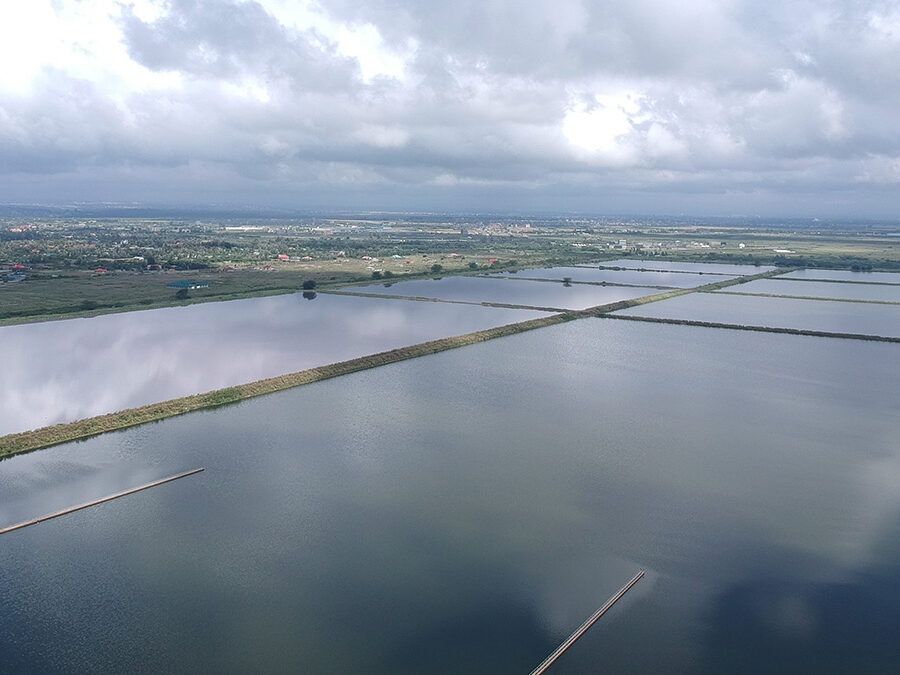
Kenya is increasingly looking towards wastewater recycling as a way of easing pressure on freshwater resources amid rising demand from households, industries and agriculture.
As urban populations grow and competition for water intensifies, reusing treated wastewater could provide an additional supply for activities that do not require drinking-quality water. The approach would also help reduce the amount of freshwater drawn from rivers, dams and underground aquifers.
Wastewater recycling involves collecting used water from homes, businesses and industries, treating it to remove pollutants and harmful microorganisms, and preparing it for approved uses. Depending on the treatment process and quality standards achieved, the recycled water can support irrigation, industrial operations, construction, landscaping and other non-drinking purposes.
In cities such as Nairobi, wastewater treatment facilities provide an important foundation for expanding this approach. Facilities including Dandora Estate Sewerage Treatment Works and Kariobangi wastewater treatment plant receive and process wastewater generated by urban activities.
However, treating wastewater before releasing it into the environment is not the same as recycling it for productive use. Reuse requires additional treatment where necessary, regular quality testing and proper distribution systems to ensure that the water is suitable for its intended purpose.
Agriculture presents one of the potential areas for wastewater reuse. Treated water could supplement irrigation supplies, particularly in areas where farmers depend on unreliable rainfall or face competition for freshwater. It may also contain nutrients such as nitrogen and phosphorus that support plant growth, although the concentration of these substances must be monitored to prevent contamination of soils, crops and water sources.
Industries could also benefit from recycled water in activities such as cooling, cleaning and selected production processes. Construction companies may use appropriately treated wastewater for dust suppression and other operations, while municipalities could apply it to maintaining public parks and green spaces.
The approach could reduce pressure on freshwater supplies while helping businesses manage their water requirements. It would also support a more circular approach to water management, in which used water is treated and returned to productive use rather than being regarded solely as waste.
Kenya’s regulatory framework is also beginning to recognise the importance of wastewater reuse. The Water Services Regulations 2025 provide for licensed water service providers to develop and maintain infrastructure for safe wastewater recycling and reuse. The regulations also promote the use of treated wastewater in areas such as landscaping, construction and industrial activities.
Environmental standards remain central to ensuring that recycled water does not expose communities or ecosystems to pollution. Wastewater must meet the quality requirements for its intended use, with proper monitoring and control of contaminants before it is supplied to farmers, businesses or other users.
Despite the potential, expanding wastewater recycling faces several challenges. Many urban areas still lack adequate sewerage networks, meaning a significant amount of wastewater is not collected for treatment. Existing treatment facilities also require investment in equipment, energy, maintenance and monitoring to ensure consistent performance.
Another challenge is the cost of transporting treated wastewater to farms, industries and other potential users. Treatment plants may be located far from areas where recycled water is needed, requiring additional pipelines, storage facilities and distribution infrastructure.
Public confidence will also be important. Farmers and consumers need assurance that recycled water is properly treated and safe for its intended purpose. Clear standards, transparent testing and public education can help address concerns surrounding the use of wastewater in agriculture and other activities.
As Kenya continues investing in dams, boreholes and water distribution networks, wastewater recycling offers another way of improving water security without relying entirely on new freshwater sources.
The opportunity lies in developing systems that collect, treat, monitor and distribute wastewater for productive use. With stronger infrastructure, effective regulation and investment, water that was previously discarded could become an additional resource for agriculture, industry and growing urban centres.