Kenyan water sector institutions and universities have joined regional partners in a new initiative seeking to strengthen professional training, research and interdisciplinary education in water, sanitation and hygiene (WASH) across the Horn of Africa.
The initiative, known as the Enhancing Interdisciplinary WASH Education in the Horn of Africa (EWEHoA) Project, brings together academic institutions and water sector organisations to improve collaboration between higher education and the institutions responsible for delivering essential water and sanitation services.
The Water and Sanitation Providers Association (WASPA) is participating in the programme, with its Capacity Building and Administration Manager, Eddah Wambui, representing the association at a three-day inception workshop held at the University of Dar es Salaam’s College of Engineering and Technology in Tanzania.
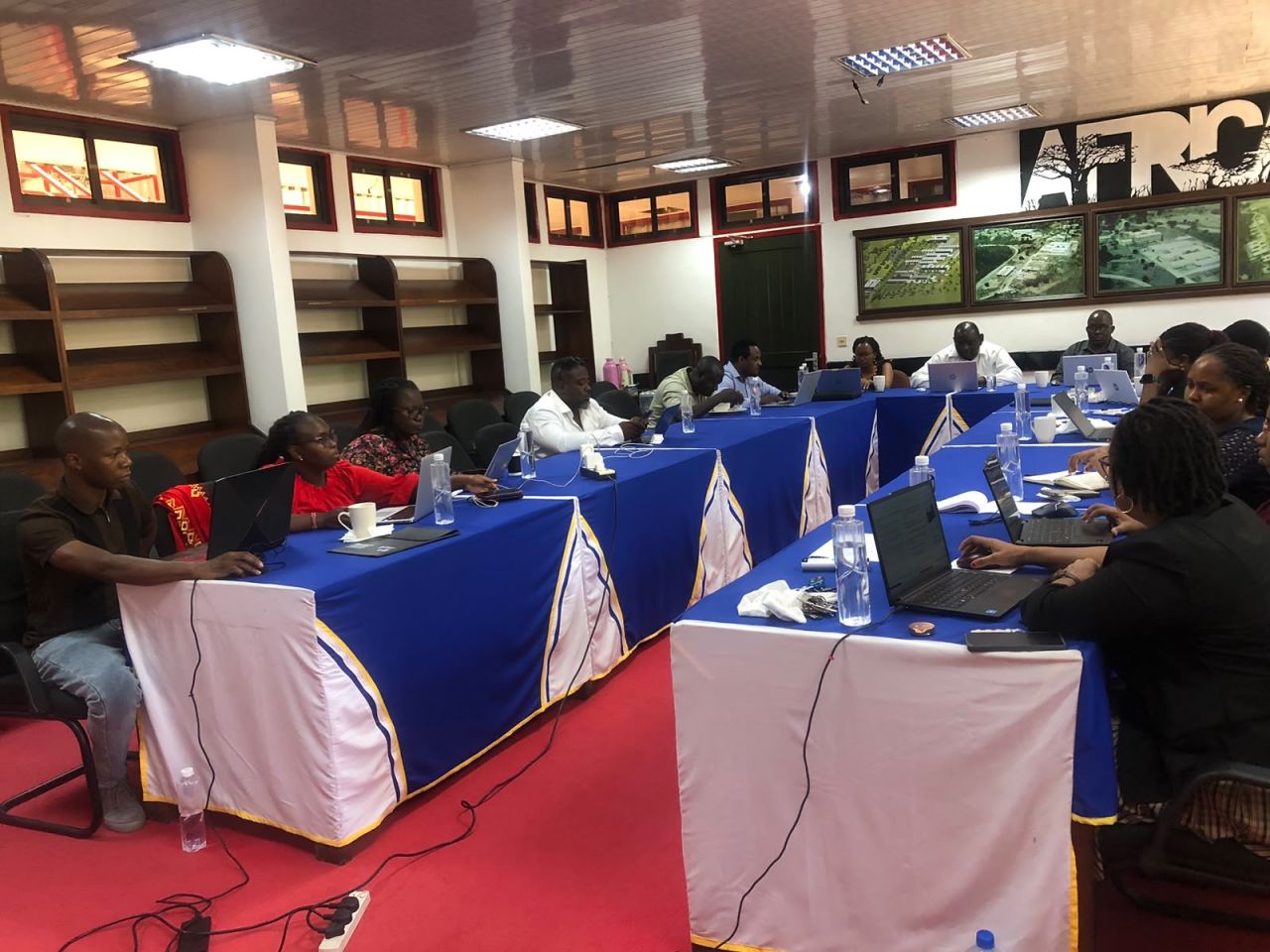
The meeting brought together representatives from the University of Dar es Salaam, Strathmore University, IHE Delft Institute for Water Education, Kumasi Technical University and the Association of Tanzania Water Suppliers (ATAWAS Tanzania).
The partners used the workshop to establish a common understanding of the project’s objectives, implementation arrangements, financial and administrative procedures, expected deliverables and individual institutional responsibilities.
The discussions also focused on establishing a coordinated working framework to guide the participating organisations as they begin implementing the initiative. The engagement is expected to strengthen institutional relationships and provide a foundation for cooperation between universities and water sector practitioners.
WASPA’s participation is particularly relevant to the connection between academic training and the operational challenges facing water service providers. Utilities require professionals with competencies extending beyond engineering to include financial management, governance, environmental protection, customer relations and sanitation planning.
The initiative comes against a backdrop of persistent water and sanitation challenges across the region, where institutions face pressure to expand services, improve infrastructure performance and develop sustainable approaches to water management.
Strengthening professional education is an important part of addressing these challenges because the performance of water and sanitation systems depends not only on infrastructure investment but also on the technical and managerial capacity of the people responsible for operating them.
In Kenya, the collaboration builds on existing efforts to connect academic institutions with the water sector. Strathmore University and WASPA signed a partnership agreement in April 2023 to cooperate in research and capacity building for water service providers.
The partnership was established through Strathmore University’s Water Governance and Innovation Hub, which focuses on bridging gaps in academic research and providing professional development opportunities for water and sanitation practitioners.
The university has also undertaken research on rural water service delivery, examining the institutional, technical and financial challenges affecting the sustainability of community-managed water systems in Kenya and Ghana.
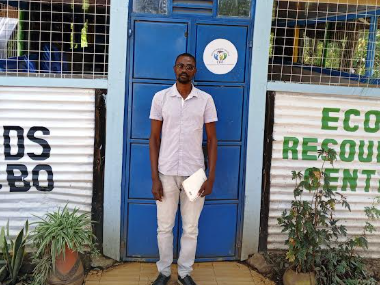
Research conducted through its EcoRural initiative has highlighted the importance of combining technical, social, economic and environmental expertise to improve water services. It has also identified governance, financial sustainability, maintenance and community management as important considerations in keeping rural water systems operational.
These experiences demonstrate why interdisciplinary education is increasingly important in the water sector. Water supply and sanitation challenges are interconnected, requiring professionals who can work across different disciplines rather than relying exclusively on specialised technical knowledge.
For WASPA, participation in the EWEHoA Project provides an opportunity to bring the experiences and capacity-building needs of water service providers into a regional academic collaboration.
The involvement of IHE Delft Institute for Water Education also brings specialist expertise in water education and professional development, while the participating universities provide academic platforms for research, knowledge exchange and training.
The three-day workshop in Tanzania marks the project’s inception phase, with partners establishing the institutional and administrative arrangements needed to coordinate their activities and meet agreed objectives.
The broader ambition is to strengthen the relationship between higher education and the water and sanitation industry, helping institutions develop professionals equipped to respond to changing demands in service delivery, infrastructure management and public health.
As water utilities across the Horn of Africa continue to confront operational and institutional challenges, the development of a skilled workforce remains an important requirement for improving service quality and expanding sustainable access to water and sanitation.
The EWEHoA partnership seeks to advance that agenda by bringing universities and industry organisations into a common framework for strengthening WASH education and professional collaboration across the region.