Water utilities step up climate action
Water utilities have been urged to strengthen climate action as rising temperatures, changing weather patterns and extreme events increasingly threaten the availability and sustainability of water resources.
Climate change is already being felt through its impact on water, making the management and protection of water resources a critical part of efforts to build climate-resilient communities. Experts say addressing the two challenges separately will not be enough, and that water and climate action must be integrated into planning and decision-making.
The Water and Climate Coalition brings together actors from different sectors to promote coordinated action on water and climate challenges. The coalition seeks to strengthen collaboration among governments, development partners, regulators, water utilities, communities and other stakeholders in developing practical responses to the changing climate.
The growing frequency and intensity of extreme weather events around the world has demonstrated the urgency of climate action. From prolonged droughts and water shortages to floods and other climate-related disasters, communities and economies are increasingly exposed to risks associated with changing weather patterns.
Water utilities are particularly important in this response because climate change directly affects their ability to provide reliable services. Changes in rainfall, declining water availability and increased pressure on water sources can disrupt supply, while extreme weather can damage water and sanitation infrastructure.
Kisumu Water and Sewerage Company (KIWASCO) has been working to strengthen its preparedness through collaboration with the International Water Association (IWA), which has provided technical support towards the development of a Climate Resilient Water Safety Plan.
A Climate Resilient Water Safety Plan provides a comprehensive approach to identifying and managing risks throughout the water supply chain, from the catchment and source of water to treatment facilities and ultimately the consumer.
The approach enables water utilities to understand their systems, identify potential threats, establish preventive measures and ensure that control systems are functioning effectively. It also provides a framework for safeguarding the quality and safety of drinking water while preparing utilities to respond to climate-related risks.
Stakeholder participation remains critical to the success of such plans because water security involves multiple institutions and sectors. Cooperation among water agencies, regulators, development partners, communities and other stakeholders can help utilities identify risks and develop practical measures to address them.
At the same time, water utilities are being encouraged to examine their own contribution to greenhouse gas emissions, particularly from wastewater treatment operations. Wastewater facilities can generate methane, a potent greenhouse gas, making the recovery and reuse of the gas an important opportunity for both climate mitigation and energy generation.
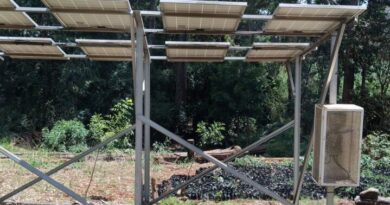
Water utilities can also reduce their carbon footprint by improving energy efficiency, increasing the use of renewable energy and investing in self-generated clean energy. The global water sector consumes significant amounts of electricity, making energy efficiency an important component of climate action.
Reducing non-revenue water is another area where utilities can contribute to climate resilience. Cutting water losses improves efficiency, reduces the amount of energy required to treat and distribute water and helps conserve increasingly stressed water resources.
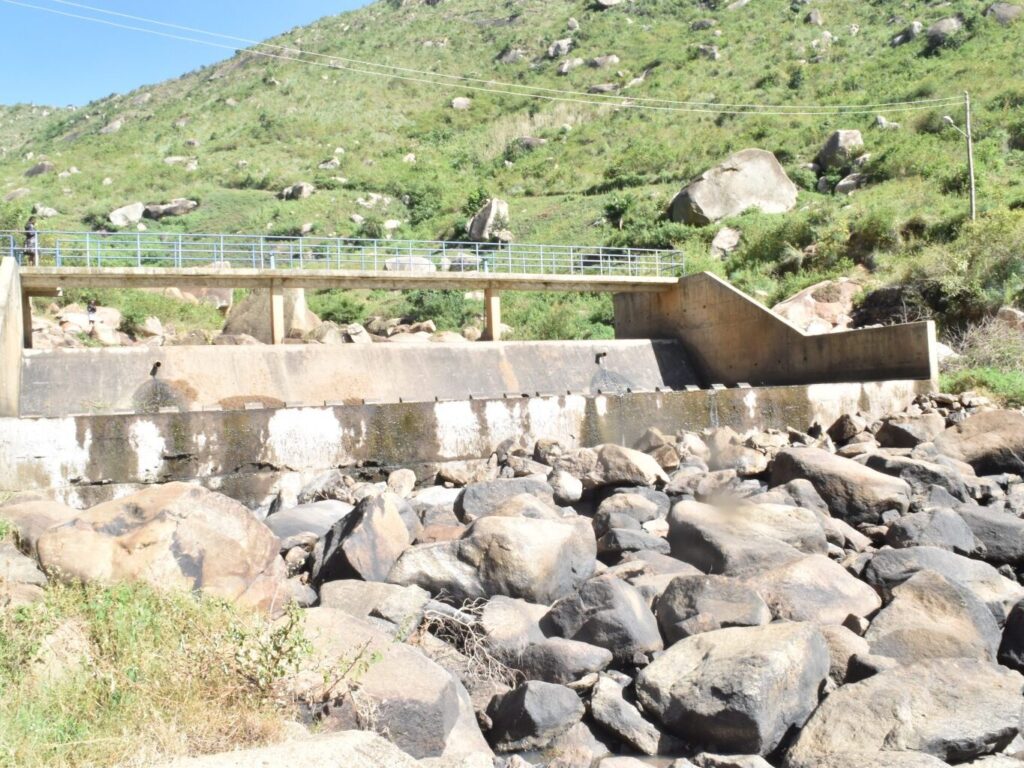
Protection of catchment areas is equally important. Utilities and communities can support afforestation, control soil erosion and reduce pollution to maintain the quality and availability of water sources.
The integration of drought monitoring and early-warning systems into water and sanitation operations can also help utilities prepare for shortages and plan responses before disruptions occur.
Staff awareness and community engagement are expected to complement these measures by encouraging climate-conscious practices and greater responsibility for protecting water resources.
As climate change continues to affect water availability and infrastructure, stakeholders say water utilities must place resilience at the centre of their operations and long-term strategies.
The message is clear: climate change is already affecting water security, and addressing the challenge will require collective action to protect water resources, reduce emissions and ensure that water and sanitation services remain reliable for future generations.