Solar-powered water points ease water shortages in Garissa
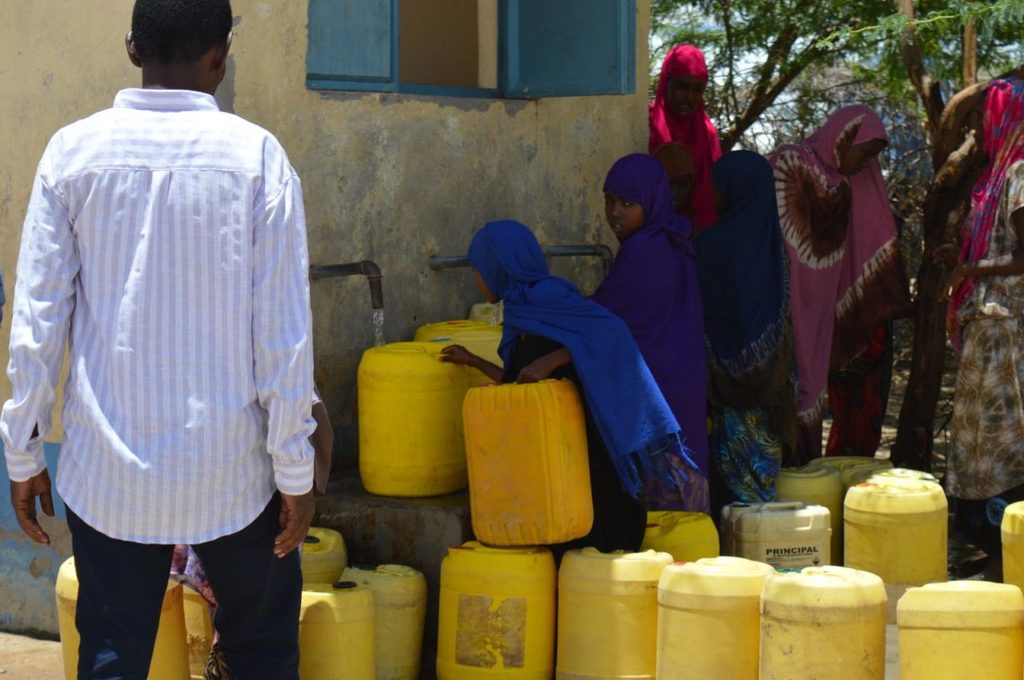
Residents of Yumbis, Labisigale, Hagadera and Welher villages in Garissa County are beginning to experience improved access to water following the completion of six out of eight planned community water points under the Water and Sanitation Development Project (WSDP).
The completed facilities, which operate using solar power, are expected to improve water availability for households and livestock while reducing the challenges communities have faced in accessing safe and reliable water.
For many years, residents in the four villages endured long journeys in search of water, which was often unsafe for domestic consumption. The situation placed a significant burden on women and children, who frequently spent considerable time fetching water instead of engaging in other household, educational and economic activities.
The scarcity of water also exposed families to severe losses during prolonged droughts, when inadequate supplies threatened livestock, a major source of livelihood for many households in the region.
The establishment of the new water points marks an important step towards addressing these challenges by bringing water services closer to communities and improving their capacity to cope with recurring water shortages.
The use of solar energy is another key feature of the facilities, offering an alternative source of power for water pumping. This approach can help reduce dependence on conventional electricity and fuel while supporting the continued operation of water infrastructure in areas where reliable energy supply may be limited.
Garissa Water and Sewerage Company (GAWASCO) is also working with local communities to strengthen their ability to manage and maintain the facilities. The company is training residents to take responsibility for the infrastructure after it is handed over, an approach intended to promote local ownership and ensure the water points remain operational over the long term.
Community involvement is considered essential to sustaining water projects because properly managed facilities can continue serving households and livestock beyond the initial construction phase. Building local management capacity also helps communities respond to maintenance needs and protect the investments made in their water systems.
The progress in Garissa highlights the importance of combining infrastructure development with renewable energy and community participation to improve water security in underserved areas.
With six facilities already operational and two more planned, the project is expected to further expand access to water across the targeted villages once the remaining works are completed.
The initiative reflects ongoing efforts by the Ministry of Water, Sanitation and Irrigation and development partners, including the World Bank, to improve water access and strengthen service delivery in communities facing persistent water scarcity.
By investing in reliable water infrastructure and equipping residents with the skills to manage it, the project seeks to deliver lasting benefits for households, livestock and livelihoods across the affected communities.