The Kisumu Water and Sanitation Company (KIWASCO) has called for stronger community participation and investment in safe sanitation facilities, highlighting the importance of access to hygienic toilets, proper waste management and handwashing services in improving public health and promoting equality.
The call was made on Thursday, November 19, 2026, during celebrations to mark World Toilet Day, which brought together the County Government of Kisumu, sanitation partners, community representatives and other water, sanitation and hygiene (WASH) stakeholders.
The celebrations were held under the global theme, “Safe Toilets. Equal Futures,” which highlights the relationship between access to safe sanitation, gender equality, personal dignity and public health. The campaign emphasises that safe and accessible toilets are particularly important for women and girls, enabling them to attend school, participate in economic activities and access public spaces while protecting their health, privacy and security.
During the event, stakeholders highlighted the importance of ensuring that households, schools and public institutions have hygienic toilets supported by proper waste management systems. Participants also emphasised that sanitation improvements must go beyond constructing toilet facilities to include safe disposal of human waste, reliable water supply and access to handwashing facilities.
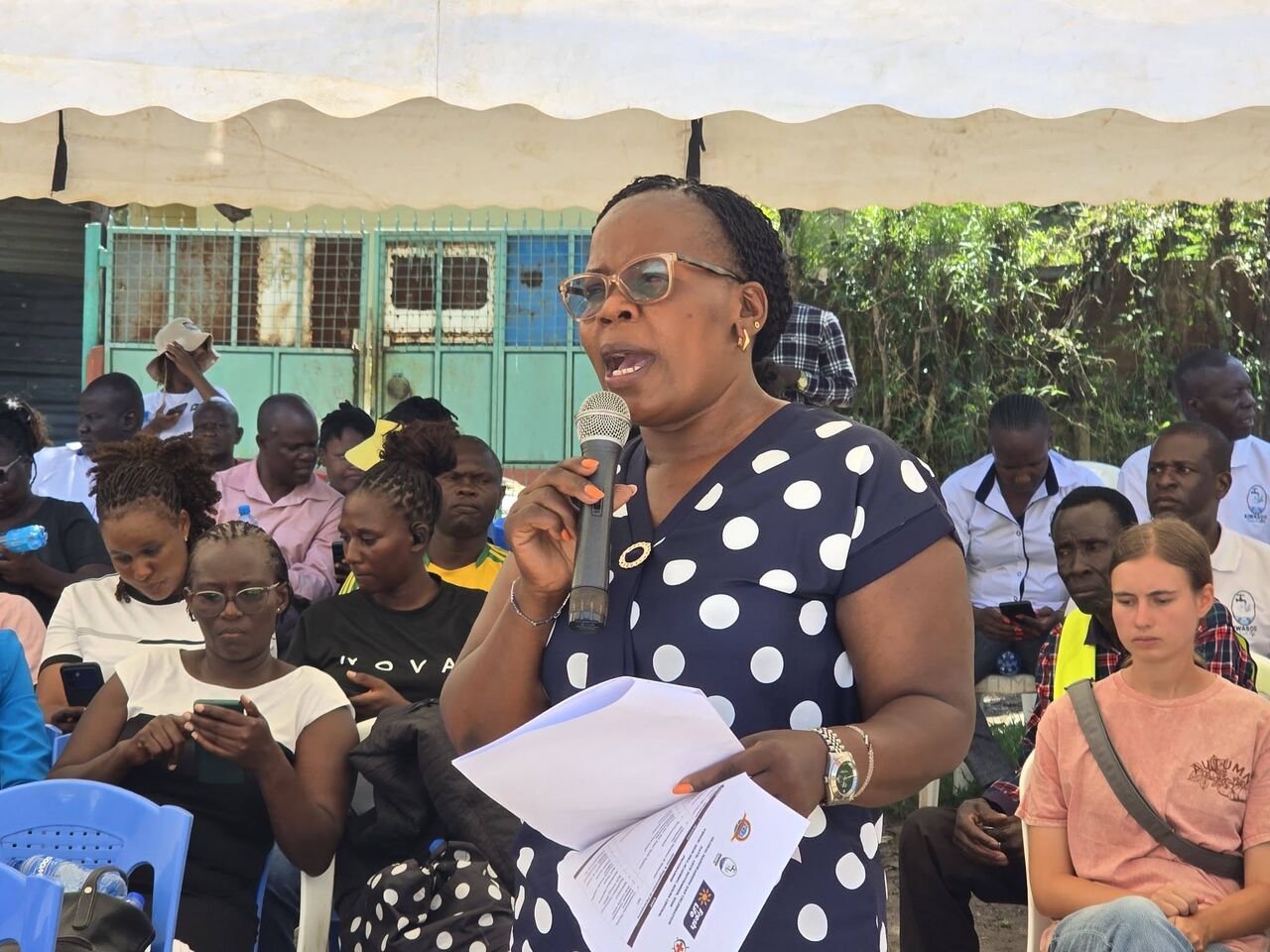
The Chief Guest, Kisumu East Sub-County Director Ms Benter Amollo Okoth, called on residents, government institutions and development partners to take collective responsibility for improving sanitation services. She urged stakeholders to move beyond annual commemorations and translate their commitments into practical interventions that deliver lasting improvements in communities.
Public health representatives also used the occasion to educate residents on the importance of proper handwashing, maintaining clean surroundings and protecting water resources from contamination. They emphasised that poor sanitation and unsafe waste disposal can expose communities to waterborne diseases while undermining efforts to improve environmental health.
The importance of these interventions is reflected in Kenya’s wider sanitation challenges. Although access to improved toilet facilities has expanded over the years, gaps remain in ensuring that all households have access to safely managed sanitation services. Improved sanitation requires not only adequate toilet facilities but also proper containment, collection, transportation, treatment and disposal of human waste without exposing people or the environment to contamination.
Globally, billions of people still lack access to safely managed sanitation, making the achievement of universal sanitation coverage one of the major public health and development priorities. The World Toilet Day campaign therefore calls for increased investment in sanitation systems that protect everyone, particularly women, girls and vulnerable members of society.
As part of the Kisumu celebrations, sanitation operators were recognised for their contribution to improving sanitation services across the city. The operators received personal protective equipment, sanitary kits and certificates in appreciation of their work in supporting sanitation activities and maintaining cleaner surroundings.
The distribution of protective equipment was particularly significant given the role sanitation workers play in managing waste and maintaining public health. Their work often involves handling waste and operating in challenging environments, making appropriate protective clothing and hygiene supplies important for their safety and well-being.
The celebrations also included the distribution of buckets, soap and other hygiene essentials to reinforce proper hygiene practices at household level. The initiative was intended to encourage residents to maintain handwashing facilities and adopt practices that reduce the spread of infections.
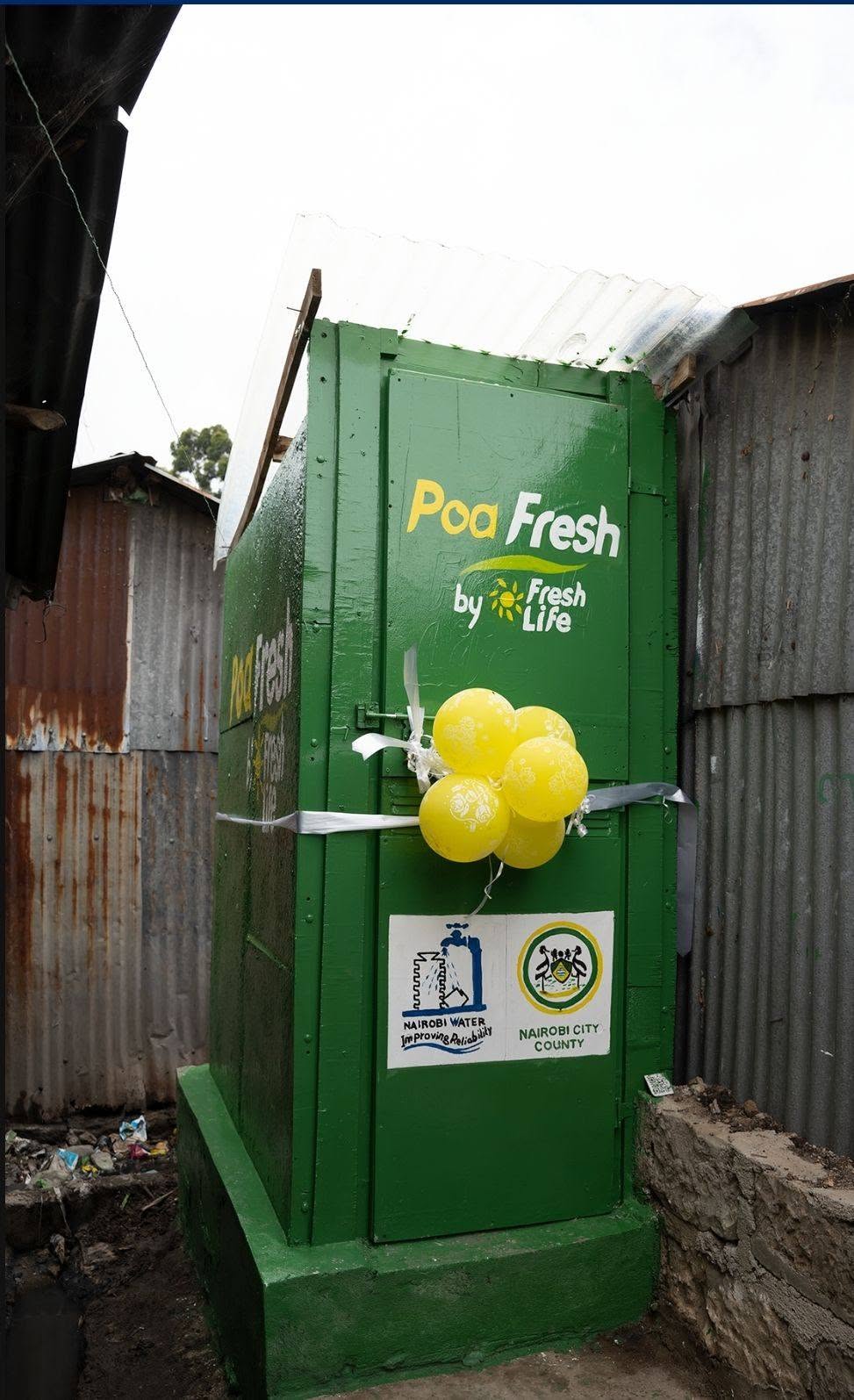
The event brought together the County Government of Kisumu, Fresh Life, the Kenya Red Cross Society, SWAP Kenya, Kisumu WASH Impact Partners (KIWIP), community health promoters, sanitation operators, local administrators and other stakeholders.
Their participation demonstrated the importance of partnerships in addressing sanitation challenges, particularly in urban areas where population growth, informal settlements and pressure on existing infrastructure can increase demand for reliable waste management services.
World Toilet Day is observed annually on November 19 to encourage action towards Sustainable Development Goal Six, which seeks to ensure universal access to clean water and sanitation by 2030.
For Kisumu, the celebrations provided an opportunity to recognise sanitation workers, strengthen community awareness and renew calls for improved sanitation infrastructure. The central message was that access to a safe toilet should not be treated as a privilege but as a basic necessity linked to human dignity, health, environmental protection and equal opportunities.