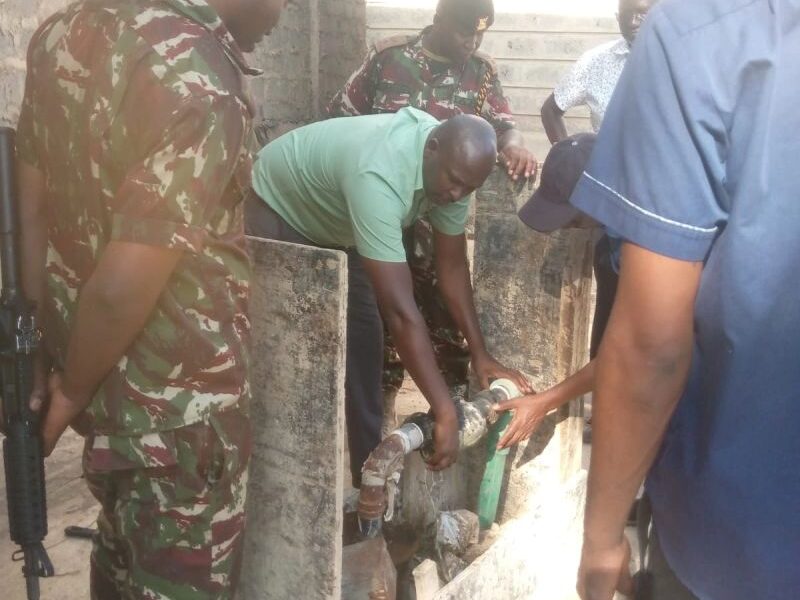
The Water Resources Authority (WRA) has intensified enforcement operations in Murang’a County, targeting industries and other water users suspected of failing to comply with regulations governing water abstraction, wastewater discharge and pollution control.
The operation, conducted this week by WRA’s Enforcement and Compliance Team in the Murang’a Sub-Basin, involved inspections at three fruit-processing factories and an avocado waste disposal site. The inspections sought to establish whether the facilities were complying with requirements for sustainable water use, effluent treatment and proper waste management.
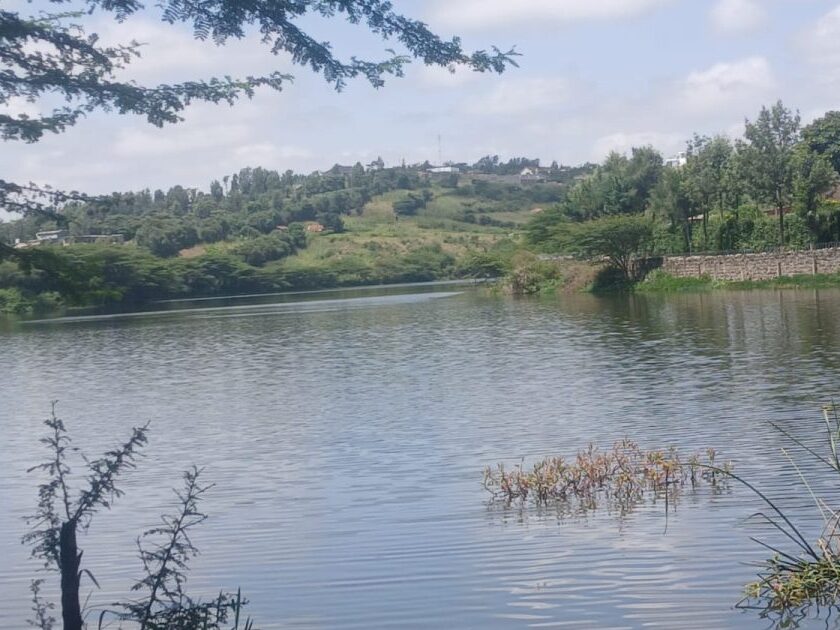
The exercise also focused on identifying activities that could threaten nearby water resources, particularly the Tana River, which is an important source of water for domestic use, agriculture and industrial activities in the region.
According to WRA, the inspections revealed gaps in effluent treatment, waste disposal and water abstraction authorisations. The findings will require further regulatory follow-up to ensure that the affected facilities address the identified shortcomings and operate within the established water resource management requirements.
The operation was supported by the Water Police, highlighting the authority’s continued collaboration with security agencies in enforcing water resource regulations and addressing non-compliance among water users.
One of the notable outcomes was an increase in voluntary compliance, with more than 50 water abstractors visiting WRA’s Murang’a Regional Office following the inspections to seek guidance on regularising their activities.
The development suggests that enforcement operations can encourage water users to engage with regulators and obtain the necessary authorisations rather than wait for further regulatory action.
Under Kenya’s Water Act, 2016, the Water Resources Authority is mandated to regulate the management and use of water resources, including issuing water permits, monitoring water abstraction and enforcing compliance with established standards. The authority also has responsibility for protecting water resources against pollution and unsustainable utilisation.
Industrial facilities, including fruit-processing factories, can generate wastewater containing organic matter and other pollutants during production. Without adequate treatment before discharge, such effluent can affect river water quality, aquatic ecosystems and the safety of water supplies downstream.
Similarly, improper disposal of agricultural and food-processing waste can contribute to environmental pollution, particularly where waste enters drainage channels or nearby water bodies.
Kenya’s growing agro-processing sector makes effective wastewater management increasingly important, especially in areas where industries, farms and communities depend on the same water sources.
The Murang’a operation therefore highlights the importance of combining inspections, regulatory enforcement and public awareness to improve compliance among water users.
While the authority’s findings point to outstanding environmental and regulatory challenges, the willingness of more than 50 abstractors to seek guidance provides an indication that enforcement can also create opportunities for improved cooperation between regulators and water users.
WRA is expected to continue following up on the identified compliance gaps to strengthen accountability, protect the Tana River and ensure sustainable utilisation of water resources in the Murang’a Sub-Basin.