






The Athi Water Works Development Agency (AWWDA) has held discussions with the Kenya Prisons Service to coordinate the implementation of planned water pipeline works passing through prison facilities, with a focus on security, technical requirements and continuity of water supply during construction.
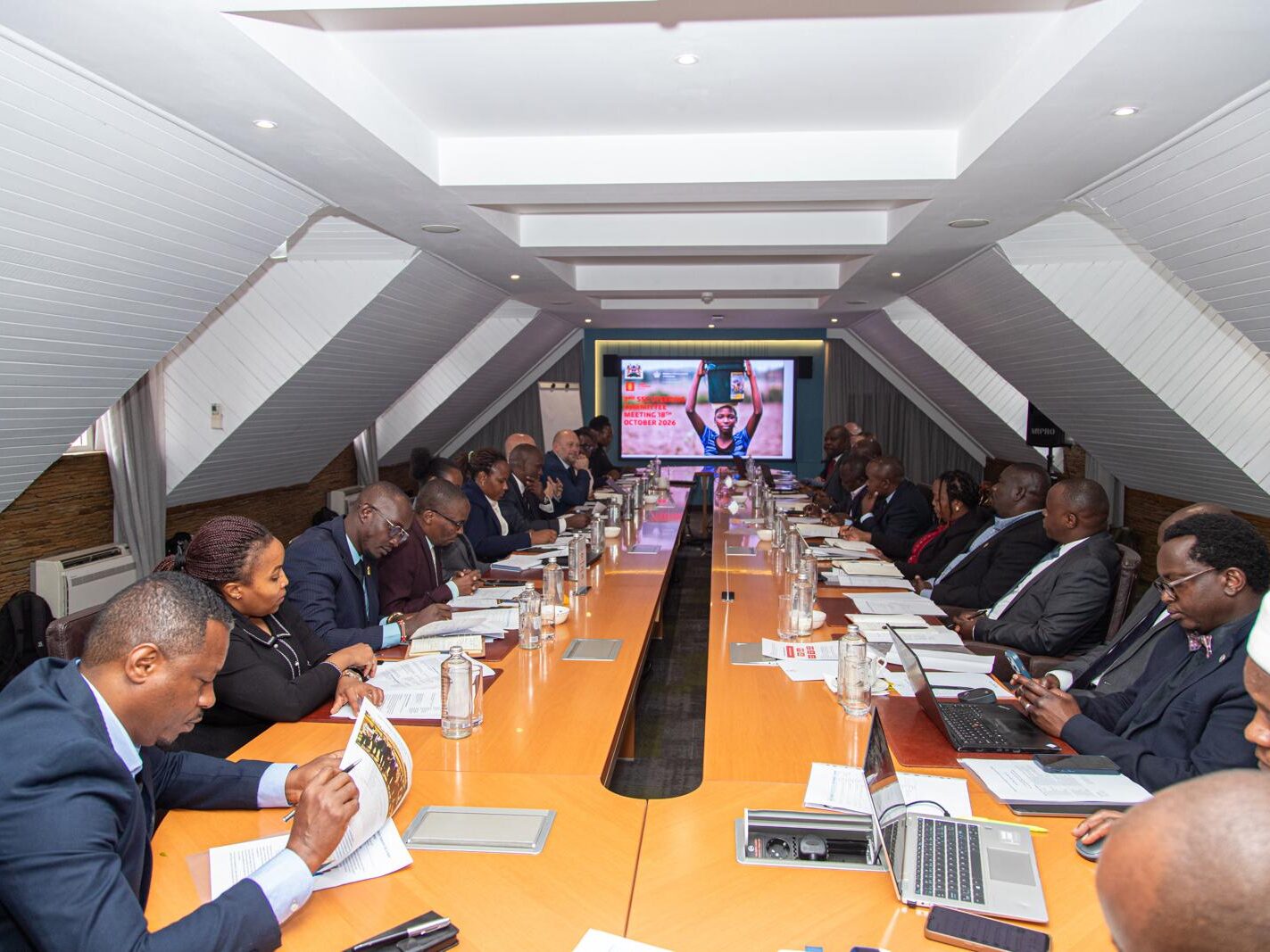
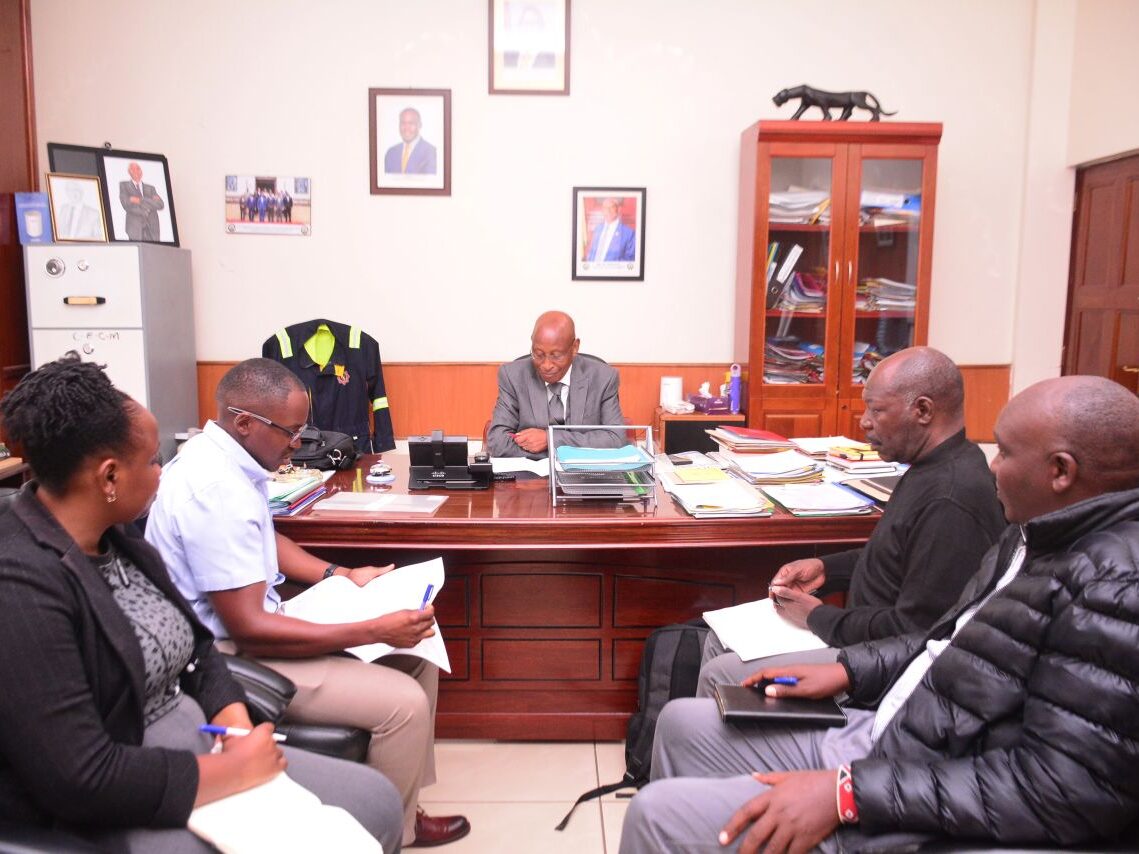
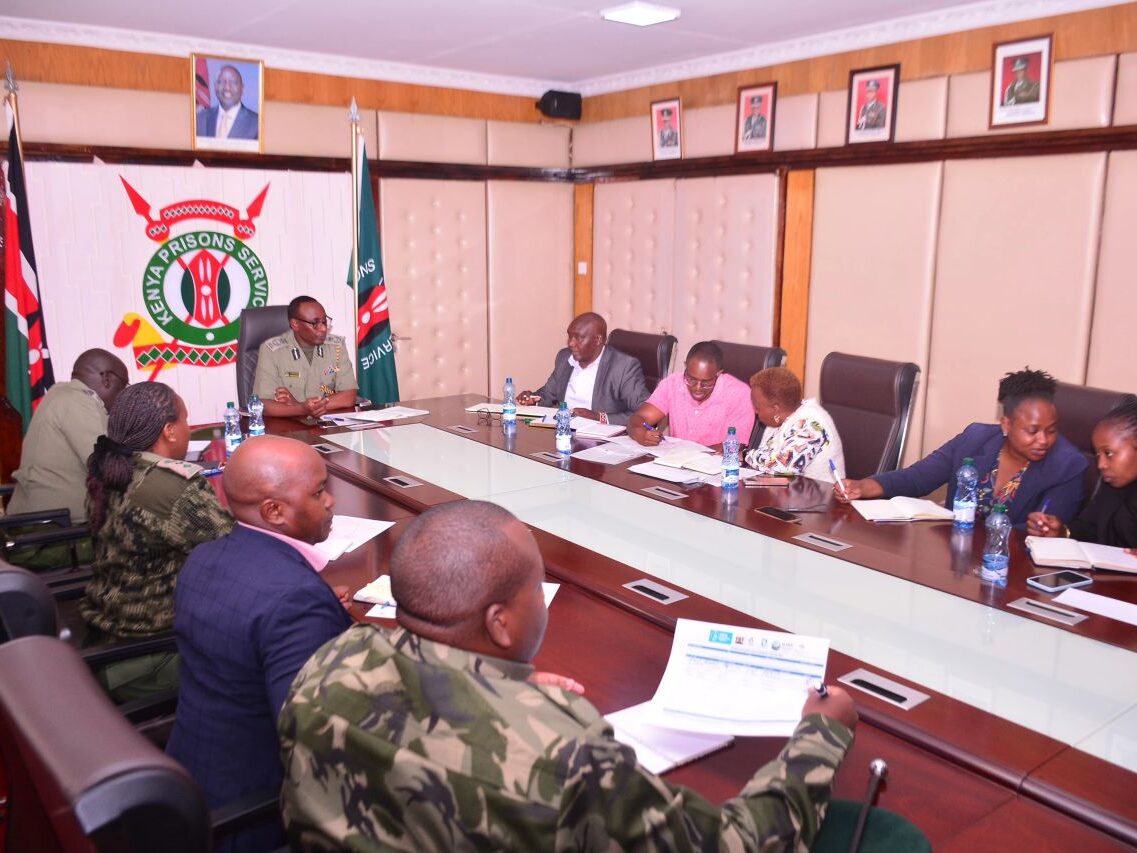
The meeting, held in Nairobi on Thursday, November 19, 2026, brought together AWWDA officials and a delegation from the Kenya Prisons Service led by Commissioner General Patrick Aranduh. The discussions sought to establish a common implementation framework that will allow the planned infrastructure works to proceed without interfering with the day-to-day operations of institutions hosting the pipelines.
The two teams reviewed proposed pipeline routes, construction methods and security arrangements that will guide contractors and project teams during implementation. Particular attention was given to ensuring that construction activities comply with institutional access requirements while allowing workers to undertake the necessary engineering works safely and efficiently.
One of the key issues discussed was the use of trenchless technology to minimise excavation and disturbance within prison compounds. The approach allows pipelines to be installed or replaced with limited surface disruption compared with conventional open-trench construction, making it suitable for areas where access, security and continuity of institutional operations are major considerations.
The proposed engineering approach is expected to reduce interference with existing facilities and limit the extent of construction activities within institutional grounds. The teams also discussed the installation of temporary water bypass systems to maintain supply while sections of the existing pipeline are being replaced.
Maintaining uninterrupted water supply during construction is particularly important for institutions such as prisons, where reliable access to water is essential for sanitation, hygiene, food preparation and other daily operations. Temporary bypass arrangements will therefore be critical in ensuring that pipeline replacement does not leave affected facilities without water.
The meeting also addressed the need for clear communication between the two institutions, particularly in coordinating site access, construction schedules and security procedures. These arrangements will help contractors plan their activities around prison operations and ensure that all personnel entering institutional grounds follow established security protocols.
By addressing technical and operational requirements before the commencement of construction, AWWDA and the Kenya Prisons Service aim to minimise delays, avoid unnecessary disruptions and create favourable conditions for the implementation of the planned pipeline works.
The engagement highlights the importance of cooperation between infrastructure development agencies and institutions whose premises may be affected by major public utility projects. Such coordination is essential in ensuring that water infrastructure improvements are delivered efficiently while safeguarding institutional operations and maintaining essential services.
The planned works are expected to contribute to improved reliability of water infrastructure, with the two institutions seeking to ensure that construction activities are undertaken in a manner that balances engineering requirements with security and operational needs.