





Kenya and Denmark are strengthening their longstanding cooperation in the water sector, with renewed focus on groundwater mapping, pollution control, climate resilience and infrastructure development as the country seeks sustainable solutions to growing water security challenges.
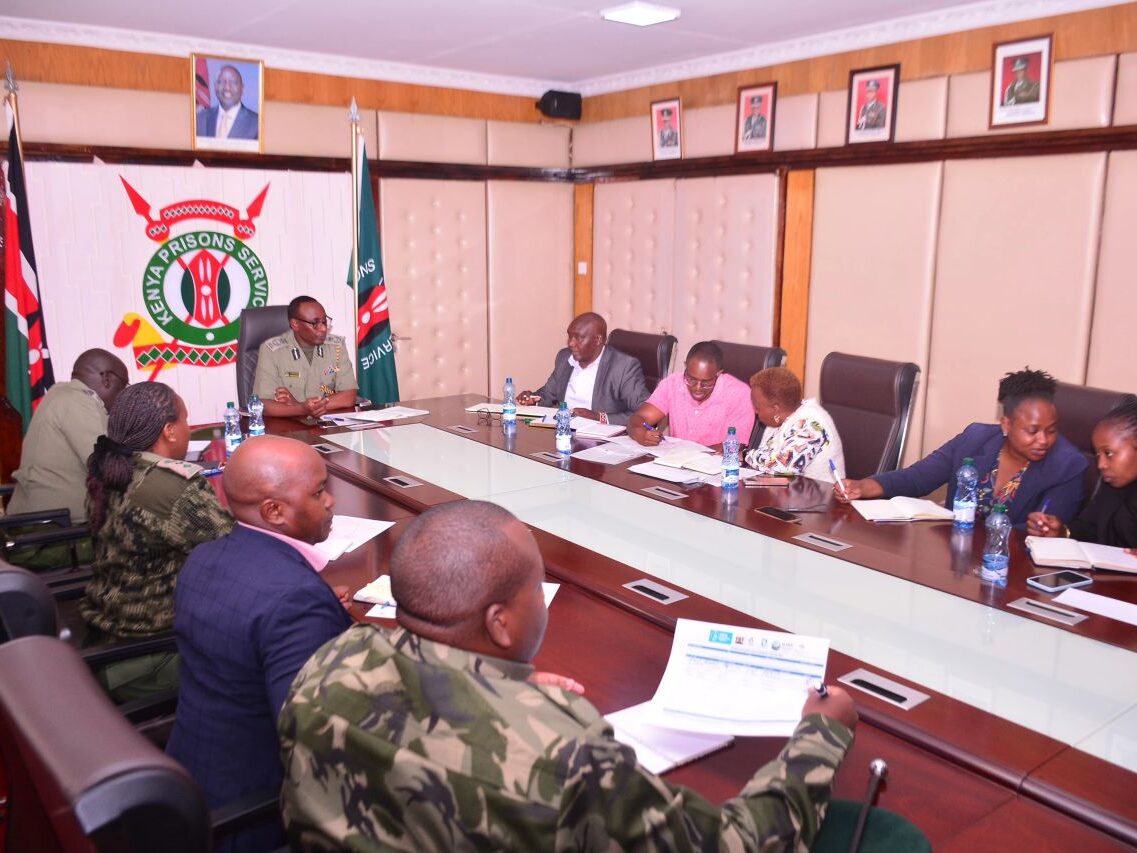
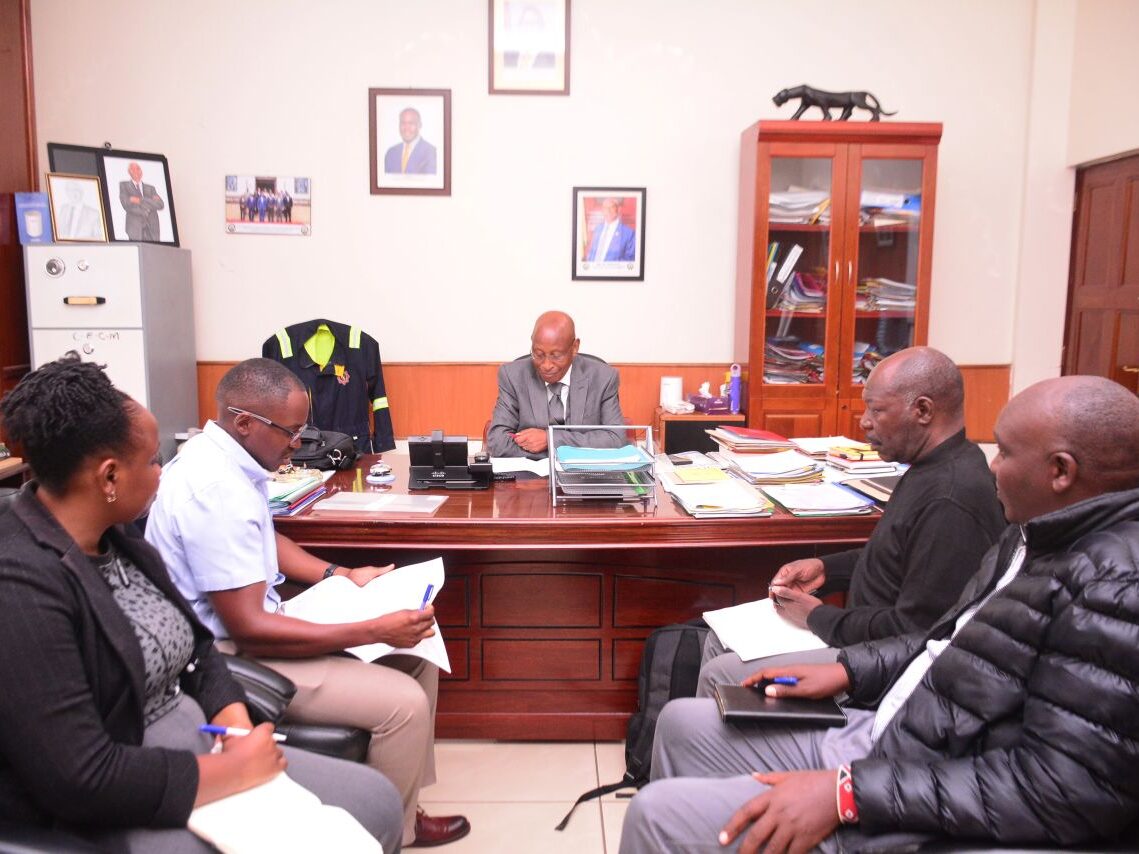
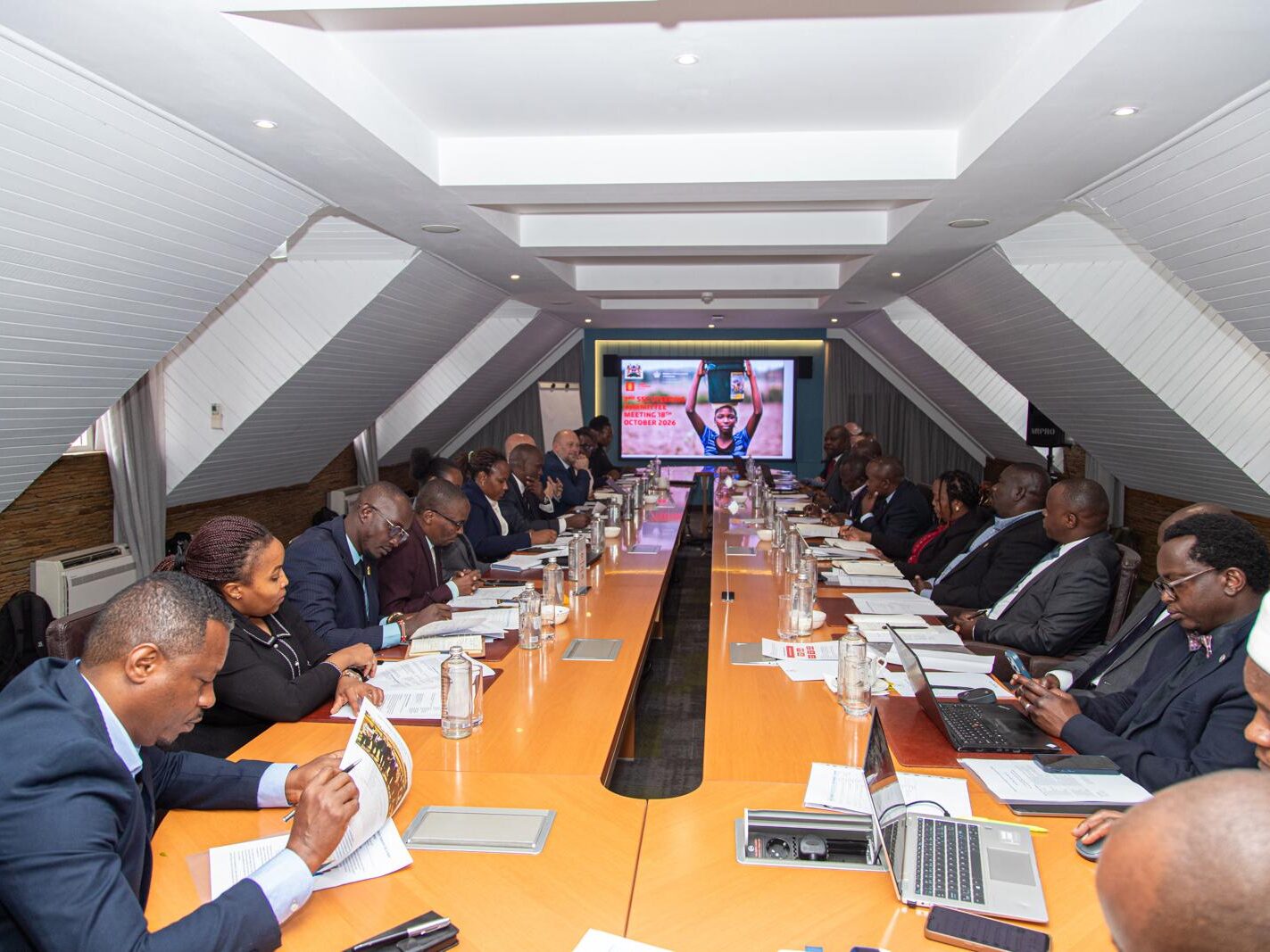
The partnership was discussed during a meeting of the Kenya-Denmark Strategic Sector Cooperation (SSC) Steering Committee, co-chaired by Principal Secretary for Water and Sanitation Julius Korir. The meeting reviewed progress under the bilateral cooperation framework and explored ways of strengthening collaboration in the management, protection and sustainable utilisation of Kenya’s water resources.
Korir recognised Denmark as an important development partner in Kenya’s water sector, noting that the relationship dates back to the water sector reforms introduced in 2002. Through support largely provided under the Danish International Development Agency (DANIDA), the partnership has contributed to institutional capacity development, improved water service delivery and strengthened approaches to sustainable water resources management.
The current Strategic Sector Cooperation provides a framework for Danish and Kenyan institutions to share technical expertise, strengthen institutional systems and develop practical solutions to water management challenges. The ten-year cooperation programme, covering 2023 to 2033, places particular emphasis on groundwater protection, water quality, pollution-risk management and climate-resilient water resources management.
Among the programmes benefiting from the cooperation are the Support to Water and Sanitation Access Programme (SWASAP) and the Ewaso Ng’iro Basin Water and Climate Resilience Programme, implemented through the Water Sector Trust Fund (WaterFund). The partnership also supports the Thika and Githunguri Water Project, being implemented through the Athi Water Works Development Agency (AWWDA).
The Ewaso Ng’iro programme is particularly significant for communities living in areas that experience recurrent droughts and unreliable rainfall. The initiative is designed to strengthen water availability, restore degraded ecosystems and improve the resilience of communities whose livelihoods depend heavily on natural resources.
The five-year programme, covering 2025 to 2030, has an estimated investment of KSh2.5 billion and is expected to benefit approximately four million people across the Ewaso Ng’iro Basin. Planned interventions include the construction of water pans and sand dams, protection of water springs and restoration of degraded catchment areas. These investments are intended to improve access to water for households, livestock and agricultural activities while supporting environmental conservation.
The Thika and Githunguri Water and Sanitation Project represents another major infrastructure component of the cooperation. Implemented by AWWDA, the project seeks to expand water supply and sanitation services in parts of Kiambu and the surrounding areas experiencing increasing demand due to population growth and urban development. Its planned interventions include improvements to water treatment facilities, storage infrastructure, transmission pipelines and sewerage systems.
Beyond infrastructure development, the Kenya-Denmark partnership is placing growing emphasis on understanding and protecting underground water resources. Groundwater plays an important role in Kenya’s water supply, particularly in arid and semi-arid areas, where rivers and surface reservoirs are often unreliable during prolonged dry periods.
However, inadequate information about underground water reserves, increasing abstraction and pollution risks present significant management challenges. The Danish Environmental Protection Agency estimates that Kenya has approximately 10,000 registered boreholes, although the actual number could be considerably higher. The gap highlights the need for more comprehensive groundwater mapping, monitoring and regulation to ensure that aquifers are not depleted through uncontrolled extraction.
Through collaboration between the Ministry of Water, Sanitation and Irrigation, the Danish Environmental Protection Agency (DEPA) and the Royal Danish Embassy, the SSC is supporting groundwater mapping, pollution-risk assessment and the application of Nature-Based Solutions.
Groundwater mapping is expected to provide better information about the location, characteristics and potential of underground water resources. Such information can help authorities make informed decisions on borehole development, groundwater abstraction and the protection of sensitive recharge areas.
Nature-Based Solutions are also becoming an important component of the cooperation. These approaches involve protecting and restoring natural ecosystems to improve water availability, water quality and resilience to climate change. Activities such as catchment restoration, vegetation protection and improved land management can help strengthen natural water systems while reducing environmental degradation.
The partnership is also expected to strengthen coordination between institutions working on groundwater management to avoid duplication of activities and ensure that investments complement existing programmes. Korir called for closer collaboration with initiatives such as the Horn of Africa Groundwater for Resilience Programme and the Water Resources Authority, particularly in groundwater mapping and resource monitoring.
He further emphasised the need for the second phase of the cooperation to prioritise projects with direct benefits to citizens, ensuring that technical knowledge and institutional partnerships translate into practical improvements in water access and resource protection.
The renewed engagement comes as Kenya faces increasing pressure on its water resources from population growth, urbanisation, changing rainfall patterns and competing demands from households, agriculture and industry. The country’s limited water availability makes sustainable management of both surface and groundwater resources increasingly important.
Through the partnership, Kenya hopes to strengthen its technical capacity, improve water resource information and develop more resilient systems for managing water supplies. The focus on combining infrastructure investment, scientific research, institutional cooperation and ecosystem protection is expected to support long-term water security and improve the livelihoods of communities across the country.