





Businesses and other water consumers in Nairobi’s Central Business District are expected to benefit from improved water supply following plans by the Athi Water Works Development Agency (AWWDA) to replace nearly 16 kilometres of ageing pipelines and upgrade the capacity of the city’s water distribution network.
The rehabilitation is part of ongoing efforts to modernise Nairobi’s water infrastructure, reduce losses within the distribution system and improve the reliability of supply in one of the capital’s busiest commercial areas. The works will involve replacing deteriorating water mains and upgrading critical sections of the network to improve water flow and stabilise pressure across the CBD.
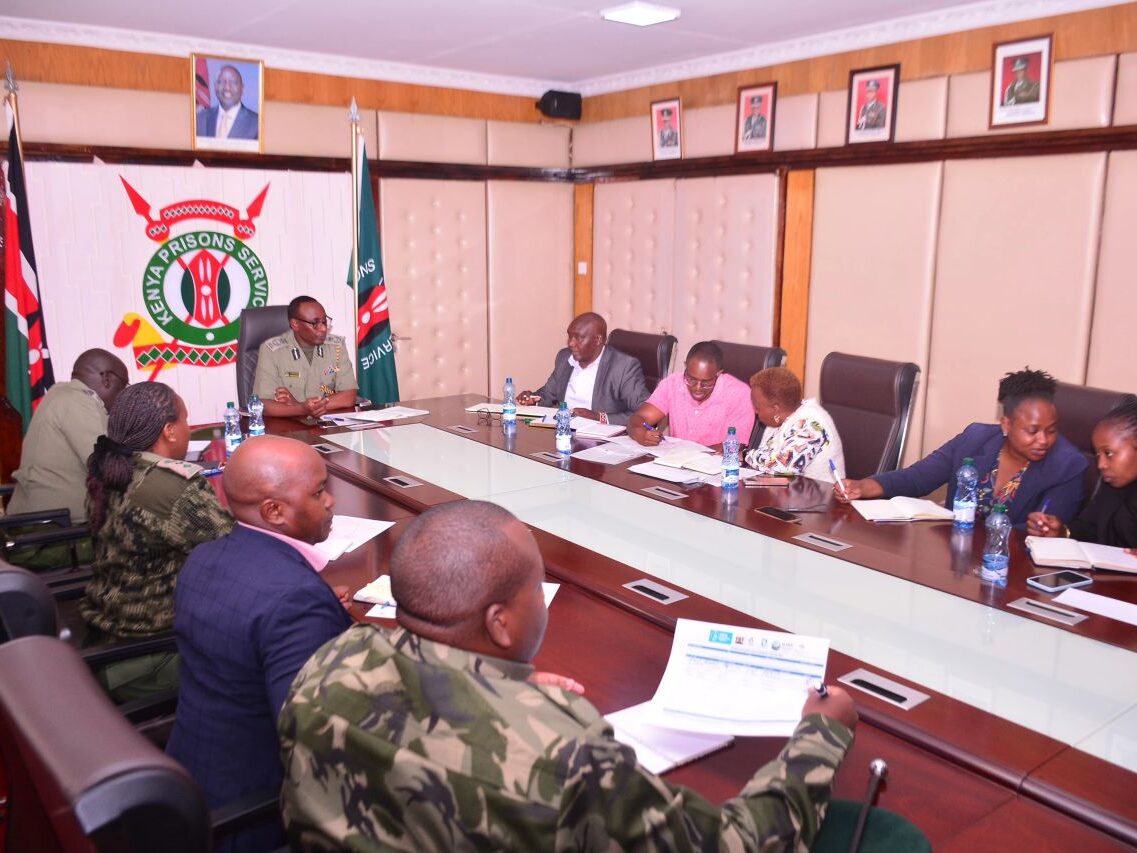
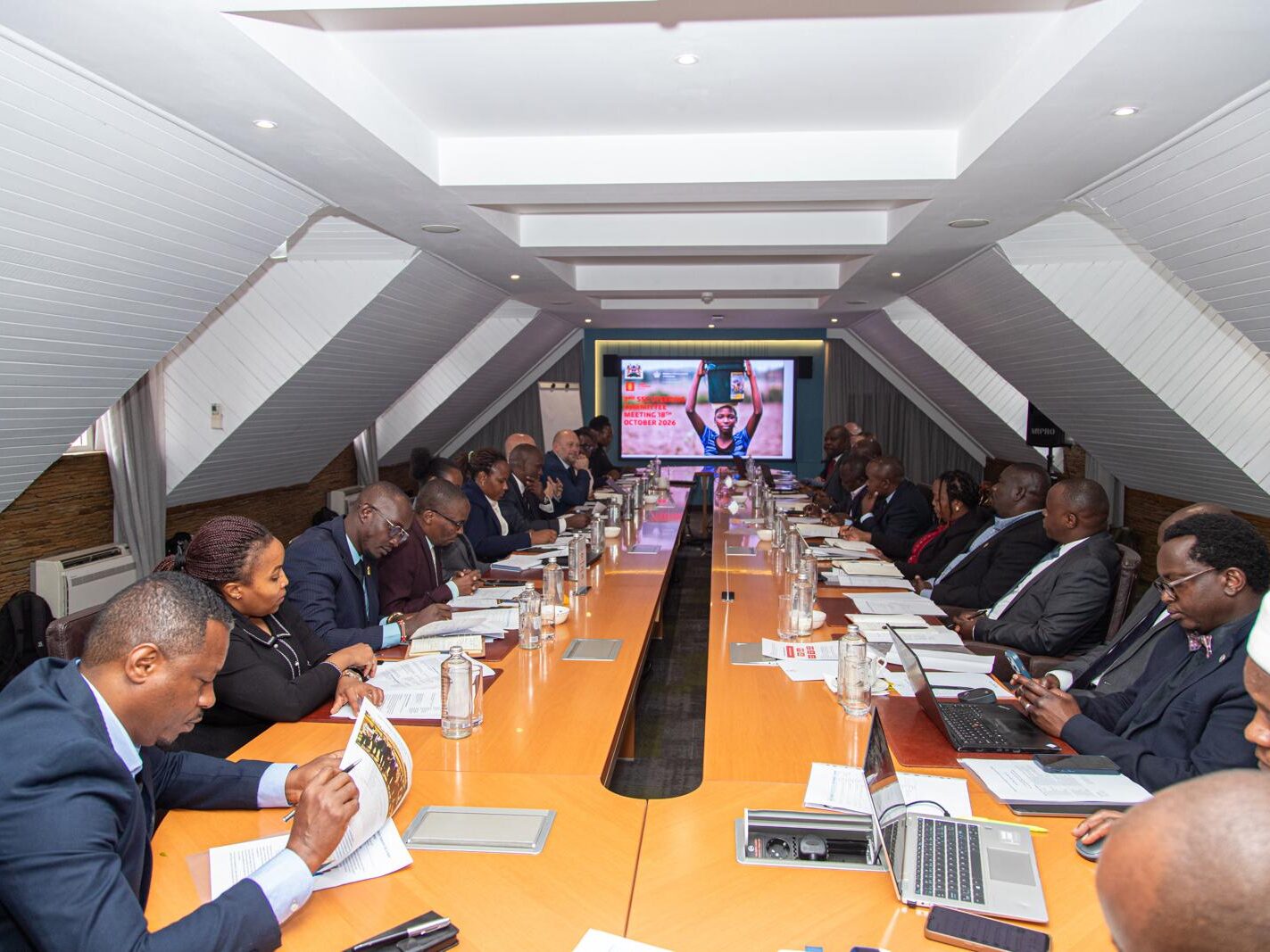
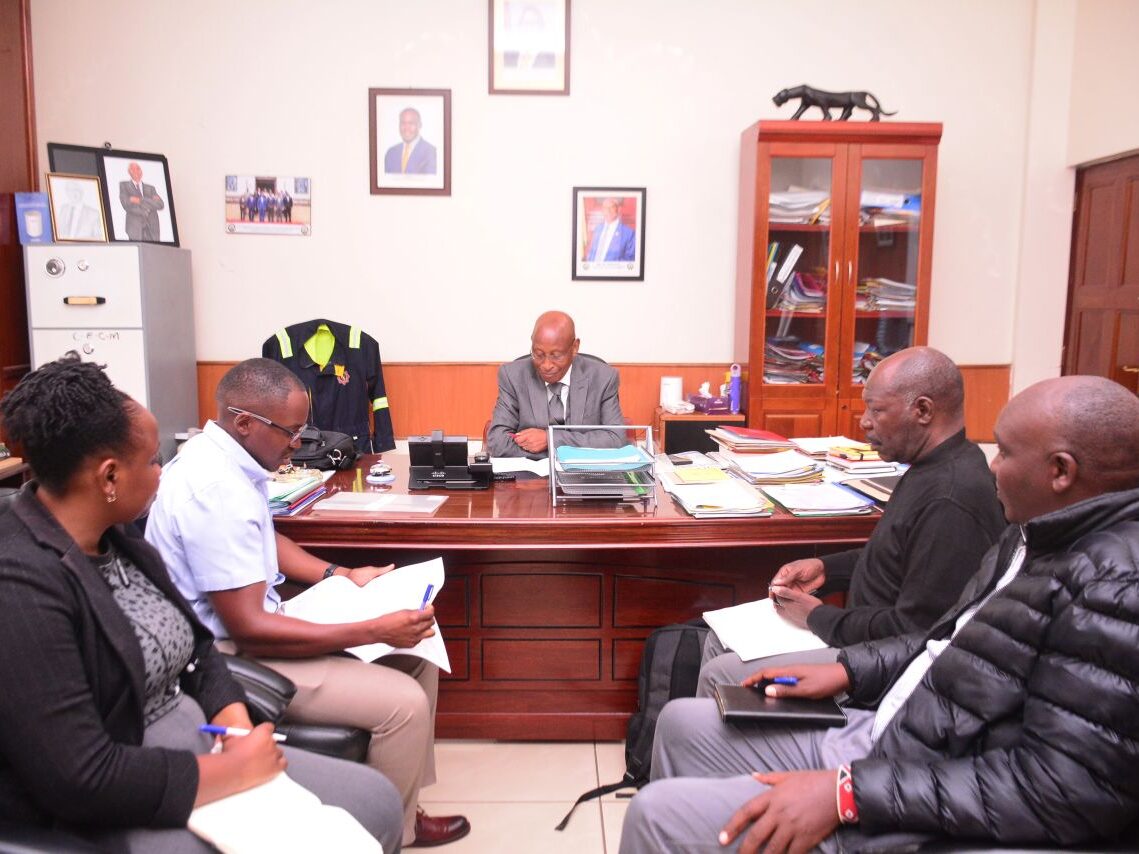
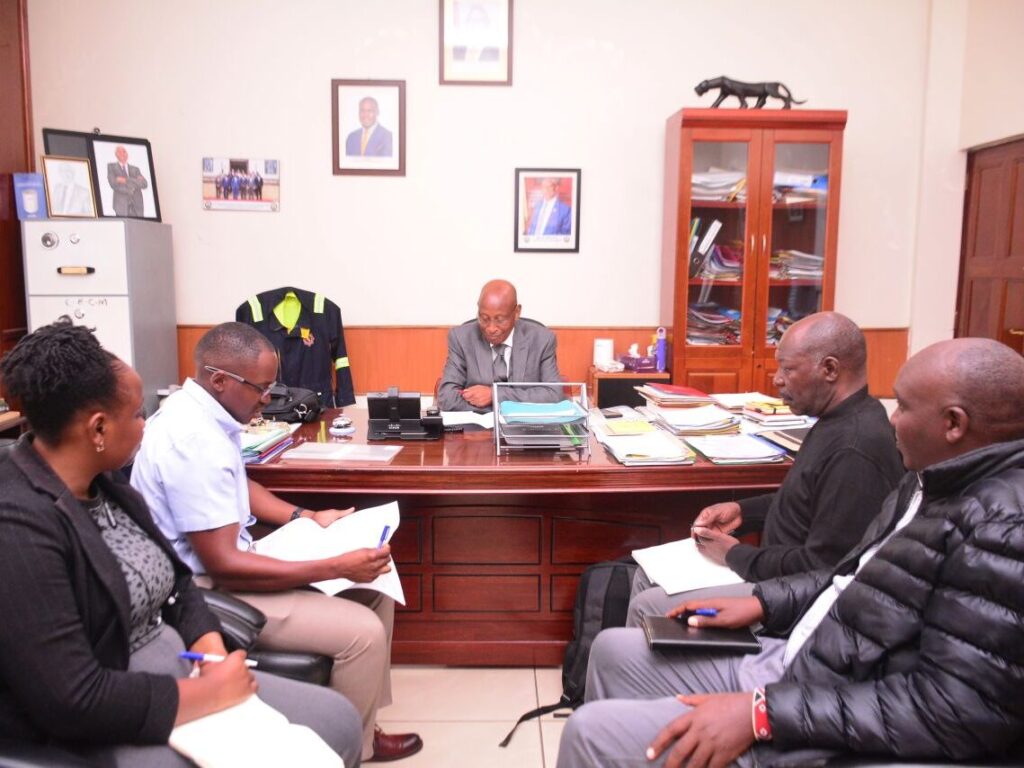
AWWDA recently held a high-level coordination meeting with Nairobi City County Executive Committee Member for Boroughs, Administration and Personnel, Stephen Gathuita Mwangi, to discuss implementation arrangements and strengthen cooperation between the two institutions. The meeting focused on coordinating construction activities, managing potential disruptions and ensuring businesses receive timely information before works begin along affected roads.
The pipeline replacement comes against the backdrop of persistent water losses in Nairobi, where ageing infrastructure, leakages, bursts and other distribution inefficiencies continue to affect the performance of the supply system. The Water Services Regulatory Board’s 2024/2025 sector performance report placed Nairobi City’s non-revenue water at 54 per cent, highlighting the scale of the challenge facing the city’s water service delivery system.
Non-revenue water refers to treated water that is produced and introduced into the distribution network but does not generate revenue for the water service provider. It includes physical losses through leaking and burst pipes, as well as commercial losses associated with inaccurate metering, illegal connections and billing inefficiencies.
The high level of water losses means that a considerable proportion of treated water fails to reach consumers as billed supply, placing additional pressure on available resources and increasing operational costs. Replacing old pipelines and improving the capacity of distribution infrastructure are therefore important interventions in reducing losses and making better use of water already produced.
For Nairobi’s commercial establishments, unreliable water supply can disrupt daily operations and increase expenditure, particularly when businesses are forced to purchase water from alternative suppliers during interruptions. Hotels, restaurants, offices, retail premises and other enterprises depend on consistent water availability to maintain their services.
The planned improvements are expected to strengthen supply reliability and reduce pressure fluctuations that can affect water delivery to connected premises. Better distribution capacity will also support the movement of water through the network, particularly in areas experiencing high demand.
AWWDA said cooperation with the county government would be important in ensuring that construction activities are properly coordinated and that businesses are adequately informed about temporary service interruptions.
Under the arrangements discussed during the meeting, the project team will share construction schedules with Nairobi City County in advance. Businesses located along affected corridors will also be notified before sections of the network are temporarily isolated to facilitate pipeline connections and other installation works.
The advance communication is intended to give commercial establishments sufficient time to plan their water requirements and make alternative arrangements where necessary. It will also help the county coordinate activities along the affected roads and minimise inconvenience during implementation.
The works fall under the Nairobi Water and Sanitation Project, which is being financed by the Government of Kenya and the Agence Française de Développement (AFD), the French development financing institution supporting water and sanitation infrastructure investments in the country.
The wider programme seeks to improve Nairobi’s water and sanitation infrastructure through rehabilitation and expansion of distribution networks, alongside other interventions aimed at strengthening urban water services. Earlier phases of the central Nairobi network rehabilitation programme have also targeted improvements in areas experiencing pressure from ageing infrastructure and increasing demand.
The investment is particularly important as Nairobi continues to expand, with population growth, commercial development and increasing demand placing pressure on existing water supply systems. Improving the efficiency of distribution networks is considered essential in ensuring that additional water production translates into better services for households and businesses.
The CBD pipeline rehabilitation therefore represents an important component of the city’s broader infrastructure modernisation agenda. Its success will depend not only on replacing old pipes but also on effective construction management, coordination with county authorities and sustained maintenance of the upgraded network.
Through the intervention, AWWDA aims to strengthen Nairobi’s water distribution capacity, reduce avoidable losses and improve the consistency of supply to consumers in the commercial centre.