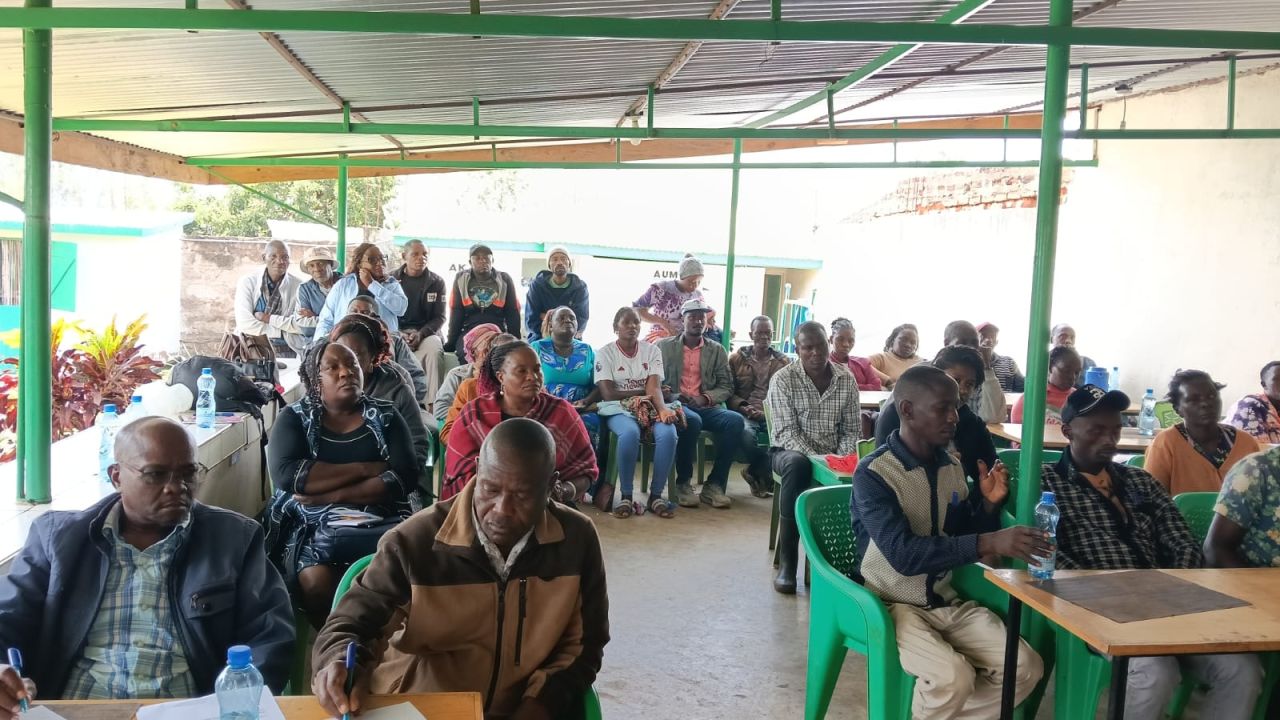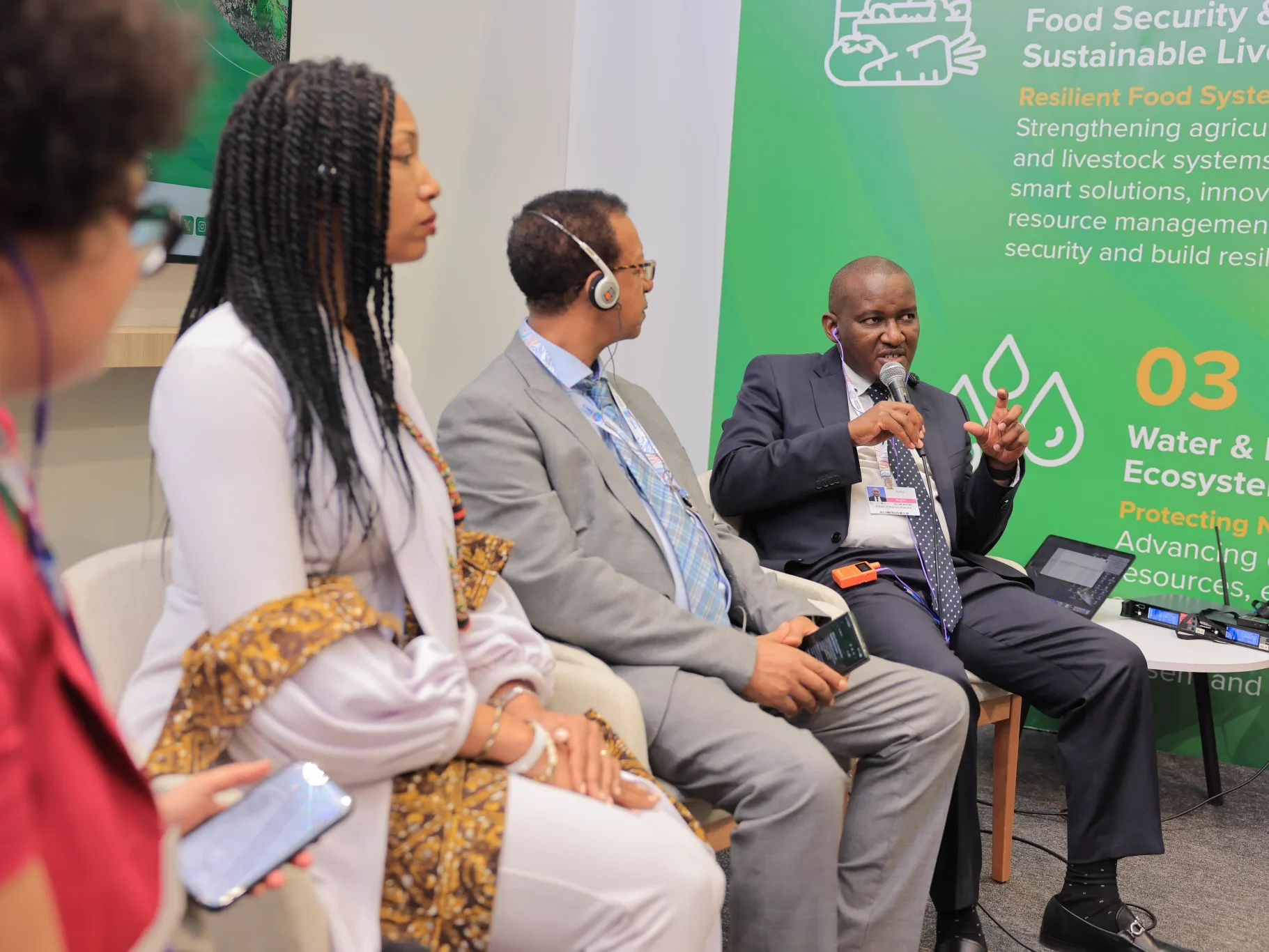








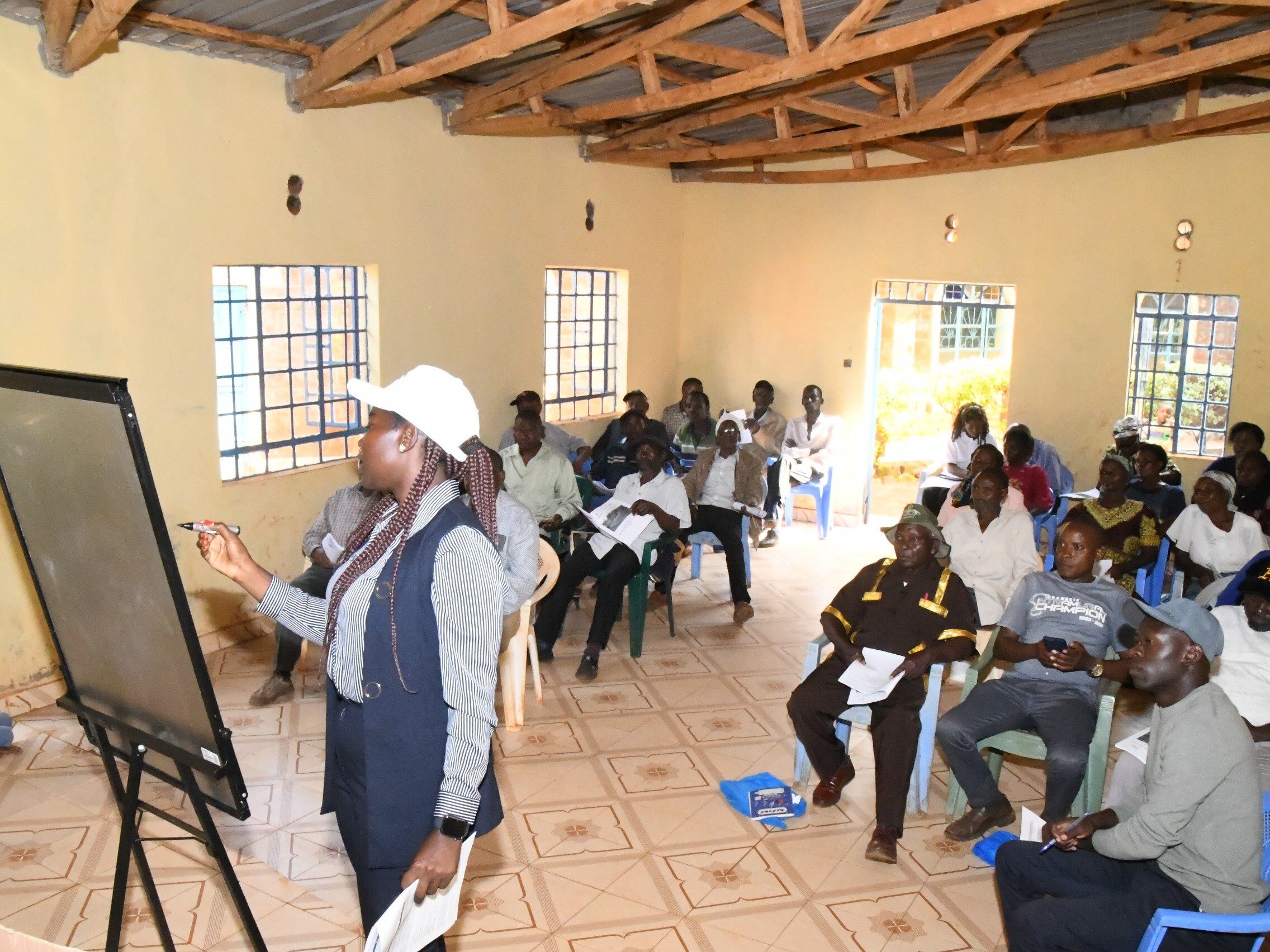
Farmers in Embu and Kirinyaga counties are receiving specialised training in irrigation system management as the Government moves to strengthen community ownership, reduce water wastage and ensure the long-term sustainability of smallholder irrigation projects.
The week-long training, organised by the State Department for Irrigation under the Smallholder Irrigation Programme for the Mt. Kenya Region (SIPMK), targets farmers and scheme leaders from Gatene and Miuka irrigation schemes. The initiative is supported through cooperation between the Kenyan and German governments, with the aim of equipping farmers with technical and managerial skills needed to operate and maintain irrigation infrastructure.
The programme comes as Kenya seeks to expand irrigated agriculture and improve food production amid growing concerns over climate variability, unreliable rainfall and pressure on available water resources. By strengthening the capacity of farmers to manage existing infrastructure, the Government is also seeking to protect investments made in rural irrigation projects and reduce the risk of schemes becoming ineffective because of poor maintenance.
The first training session brought together leaders and members of the Miriru, Kambiti and Togonye clusters within Miuka Irrigation Scheme. The meeting was held at St. Francis Church in Togonye, Murinduko Ward, Mwea East Sub-County, Kirinyaga County, under the leadership of scheme chairperson Eliud Kariuki.
Consulting Engineer Lusigi Mugera facilitated the training, assisted by Engineer Vaines Majala from the State Department for Irrigation. Participants were taken through the technical components of the irrigation system, including the general scheme layout, water intake structures, conveyance and distribution pipelines, control equipment and individual farm irrigation systems.
The training also covered routine operation and maintenance procedures, enabling farmers to understand how water moves from the source through the distribution network to individual farms. This knowledge is expected to help scheme members identify technical faults, undertake basic maintenance, prevent unnecessary water losses and ensure that water is distributed fairly among participating farmers.
Miuka Irrigation Scheme draws its water from River Nyamindi through a gravity-fed sprinkler irrigation system serving approximately 350 farmers across 133.4 hectares. Its infrastructure includes an intake structure, sedimentation basin, approximately 66 kilometres of pipelines, control valves, pressure-reducing devices and individual sprinkler systems installed at farm level.
The extensive distribution network requires regular monitoring and maintenance to maintain adequate water pressure and ensure reliable delivery to farmers. Any failure along the system can affect water distribution, disrupt agricultural activities and increase the cost of repairs. The training therefore seeks to make farmers more capable of identifying problems early rather than relying entirely on external technical assistance.
Similar training sessions are expected to be conducted for farmers at Gatene Irrigation Scheme in Manyatta South, Embu County. The scheme draws water from River Nyanjara through a piped distribution network and is designed to serve approximately 373 to 435 farmers across 202 acres.
Both projects were developed under SIPMK with financial support from the German development bank KfW and the Government of Kenya. The programme focuses on improving agricultural production among smallholder farmers by providing irrigation infrastructure while promoting community-based management arrangements.
The emphasis on farmer training reflects a wider challenge facing Kenya’s irrigation sector, where infrastructure development must be matched by adequate investment in operations, maintenance and institutional capacity. Poor maintenance, weak farmer organisations, limited technical support and insufficient water availability can undermine the performance of irrigation schemes.
Kenya has an estimated irrigation potential of approximately 1.34 million hectares, equivalent to 3.35 million acres. However, only a fraction of this potential has been developed, highlighting the need to expand irrigation infrastructure while improving the management of existing projects.
The National Irrigation Sector Investment Plan targets the development of 1.5 million acres under irrigation by 2030, with investments directed towards farmer-led irrigation, community schemes, public infrastructure and private-sector participation.
Community-managed irrigation is particularly important because it places farmers at the centre of decisions concerning water distribution, infrastructure maintenance and agricultural activities. Farmers share responsibility through organised institutions such as Irrigation Water Users Associations, cooperatives and other local management groups.
The training also seeks to strengthen farmers’ capacity in financial management, record-keeping, safety procedures, governance and compliance with relevant regulatory requirements. These skills are essential in helping scheme members manage maintenance costs, plan infrastructure repairs and establish transparent systems for handling resources.
By strengthening farmer participation in irrigation management, the State Department for Irrigation aims to improve the reliability of water supply, support year-round agricultural production and protect investments made in the Mt. Kenya region.