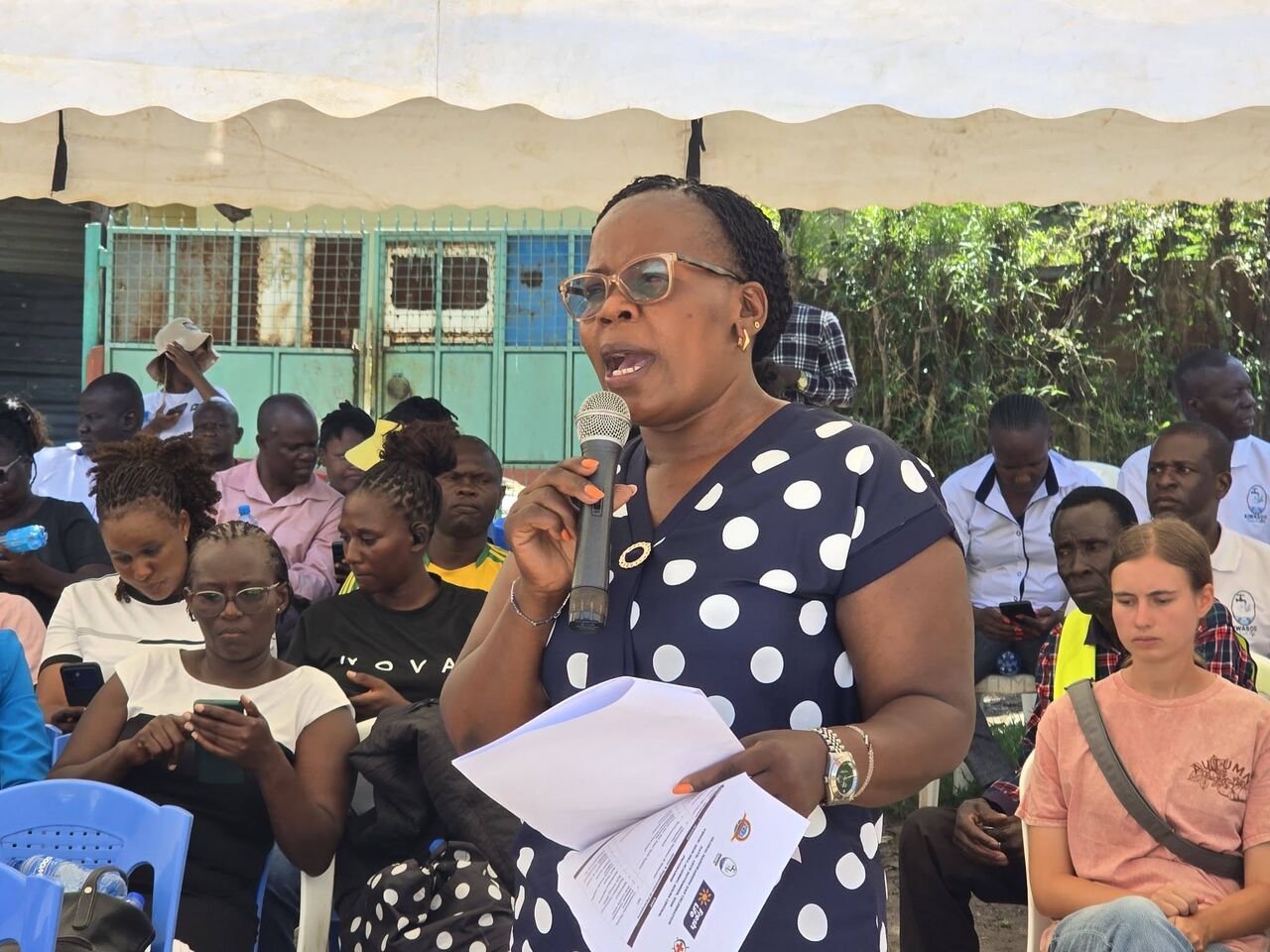
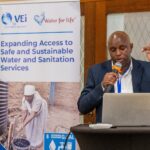




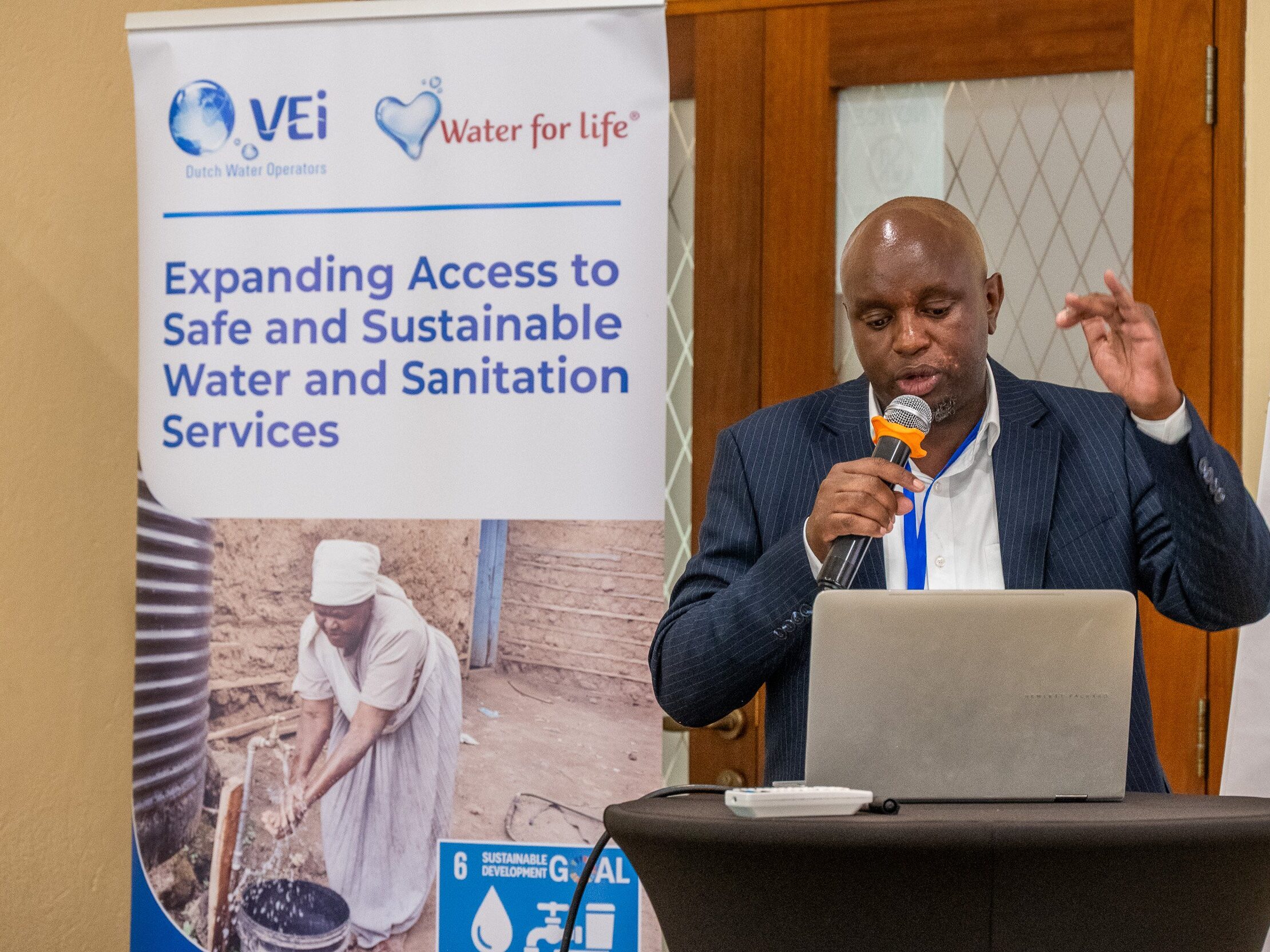
Nakuru County has presented its experience in sanitation financing at a national sector workshop, calling for stronger accountability in the management of sanitation levies to ensure that money collected from water consumers is directed towards improving sanitation services.
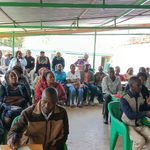
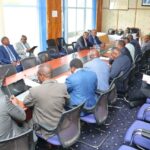
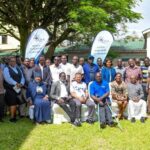
The discussions took place on November 19, 2026, during a Sector Consultative Workshop on the Governance and Sustainable Utilisation of Sanitation Development Fee and Levy Funds in Kenya. The meeting brought together the Water Services Regulatory Board (WASREB), the Ministry of Water, Sanitation and Irrigation, VEI Netherlands, Dunea, Water and Wastewater International (WWn) Kenya and representatives from water service providers and other sector institutions.
The workshop provided a platform for stakeholders to examine how sanitation revenues are collected, managed and invested, with particular emphasis on protecting the funds from being diverted to activities outside their intended purpose.
Nakuru’s experience was presented as an example of how dedicated sanitation financing can support the expansion of services, particularly in areas that lack conventional sewerage infrastructure.
According to WASREB’s 2023/24 sector performance report, Nakuru became the first county in Kenya to have its water service providers implement a dedicated sanitation levy. The initiative involves Nakuru Urban Water Service Provider and Naivasha Water and Sewerage Company, with the levy set at five per cent of the water bill.
Under the arrangement, the providers are required to maintain dedicated accounts for the collections, while the funds are ring-fenced and their utilisation subjected to approval by WASREB. This framework is intended to strengthen financial accountability and ensure that resources collected specifically for sanitation are used to improve services.
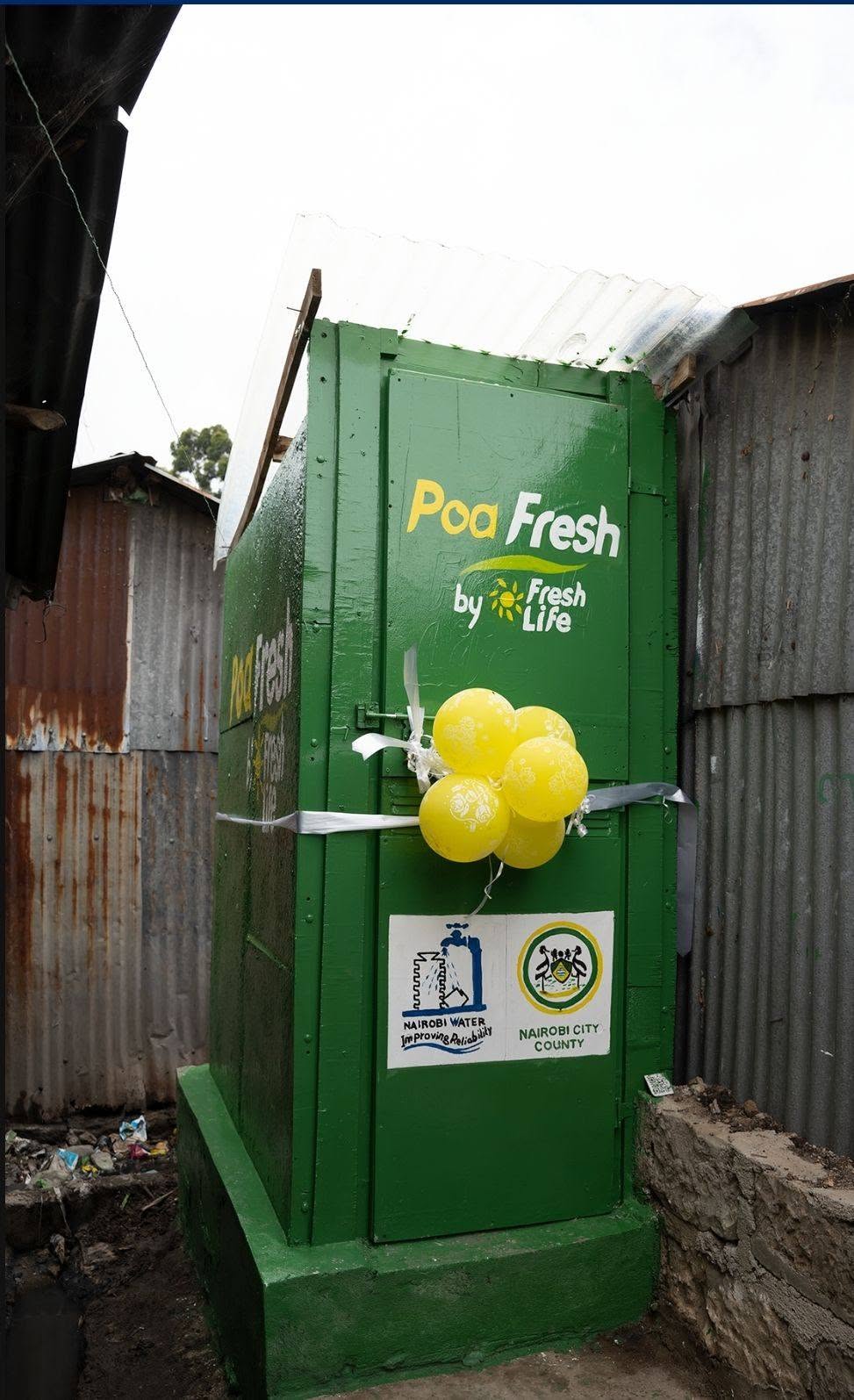
The approach is particularly important for Kenya’s growing towns, where sanitation needs extend beyond households connected to sewer networks. Many urban and peri-urban residents depend on onsite facilities such as pit latrines and septic tanks, which require regular emptying, transportation, treatment and safe disposal of faecal waste.
WASREB’s national guidelines on sanitation levies recognise the need to finance the entire sanitation service chain, including the development of onsite sanitation infrastructure, decentralised wastewater treatment facilities and faecal sludge management systems.
The guidelines also emphasise transparency, financial accountability and social inclusion, requiring revenues generated through sanitation levies to be directed towards clearly defined sanitation objectives, including services for low-income and vulnerable communities.
Kenya’s sanitation financing challenge remains significant. WASREB’s 2023/24 sector performance report indicates that only 29 per cent of the population had access to safely managed sanitation services during the reporting period, while sewer network connections stood at 15 per cent.
The figures highlight the need to expand investment beyond conventional sewer infrastructure and strengthen alternative sanitation solutions that can serve densely populated settlements and communities outside existing sewer networks.
For Nakuru, the sanitation financing approach is also linked to broader efforts to improve wastewater and faecal sludge management. The county has been advancing countywide inclusive sanitation planning, with Nakuru Water and Sanitation Services Company (NAWASSCO) strengthening its capacity to provide both sewered and non-sewered sanitation services.
The wider initiative has included institutional capacity building and the development of dedicated arrangements for managing onsite sanitation, recognising that effective waste management requires proper collection, transportation, treatment and disposal.
The importance of the financing discussions also extends to environmental protection and water security. Inadequately managed sewage and faecal sludge can contaminate rivers, groundwater and other water sources, exposing communities to waterborne diseases and increasing pressure on already strained water resources.
Investing in sanitation infrastructure and effective waste management therefore contributes not only to public health but also to protecting water quality and reducing pollution in aquatic ecosystems.
The workshop’s emphasis on ring-fencing sanitation revenues, tracking expenditure and funding measurable results reflects the growing recognition that mobilising money alone is insufficient without effective governance and monitoring mechanisms.
Stakeholders are seeking stronger coordination between regulators, government institutions and water service providers to ensure that sanitation financing translates into tangible improvements in service delivery.
The discussions also come as Kenya continues to pursue universal access to safe water and sanitation under Sustainable Development Goal Six, which calls for improved water quality, adequate sanitation and sustainable wastewater management by 2030.
The experience from Nakuru could provide useful lessons for other counties seeking sustainable ways to finance sanitation services, particularly in informal settlements and areas where expanding conventional sewer networks may be costly.
Ultimately, protecting sanitation levies and ensuring transparent utilisation will be critical in building a more sustainable financing system, expanding access to safe sanitation and preventing untreated waste from polluting Kenya’s water resources.