








Concerns over pollution at Kiserian Dam in Kajiado County have renewed calls for investigations into the safety of surrounding groundwater resources, with experts warning that contamination of surface-water sources could pose wider risks to communities dependent on boreholes and other underground water supplies.
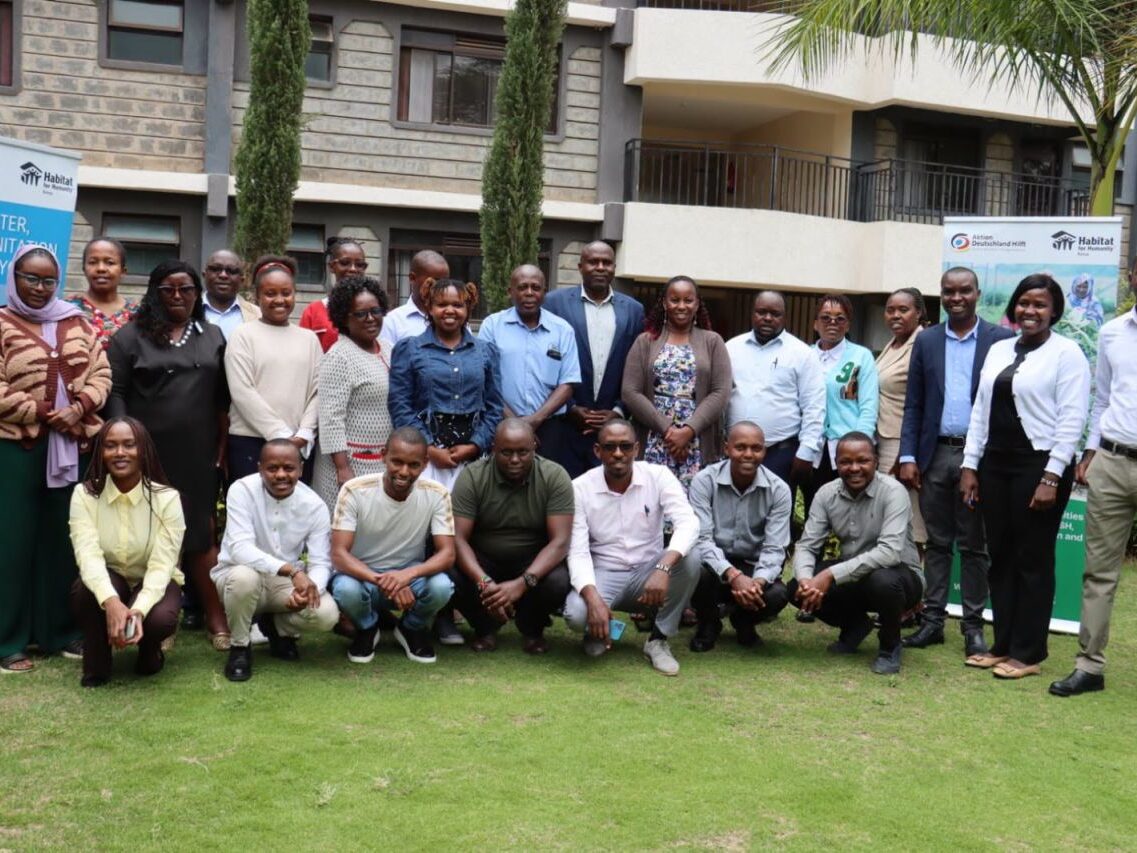
The issue emerged during the GROWANA Stakeholder Technical Workshop held on November 17, 2026, at Safari Park Hotel and Casino in Nairobi, where experts discussed groundwater mapping, aquifer protection and sustainable management of underground water resources. One of the experts called for investigations into the pollution challenges affecting Kiserian Dam and the potential implications for the surrounding groundwater system.
The concerns come amid growing pressure on water resources in Kiserian and neighbouring settlements, where population growth, expanding commercial activities and inadequate wastewater management have increased the risk of pollution entering rivers, streams and other water sources.
Research conducted in the area has previously identified pollution associated with wastewater from slaughterhouses, particularly effluent containing organic matter, suspended solids, nutrients and microorganisms. A study examining wastewater from the Kiserian and Keekonyokie slaughterhouses raised concerns about the potential effects of untreated effluent on the quality of water entering Kiserian Dam.
Other research has also examined microbial and chemical contamination in the reservoir and its tributaries, highlighting the need for stronger monitoring and pollution-control measures.
One of the major concerns is the possibility that contaminated surface water could affect groundwater through infiltration, depending on the geological conditions and the connection between the reservoir, surrounding streams and underground water-bearing formations.
Although surface-water contamination does not automatically mean that nearby aquifers are polluted, understanding the relationship between the two resources is important for protecting water supplies. This requires hydrogeological investigations, groundwater sampling and regular monitoring of boreholes around the affected catchment.
The issue is particularly significant for communities that increasingly rely on groundwater to supplement inadequate piped supplies. Unlike visible pollution in rivers and dams, groundwater contamination can remain undetected for long periods, making scientific monitoring essential for identifying risks before they affect consumers.
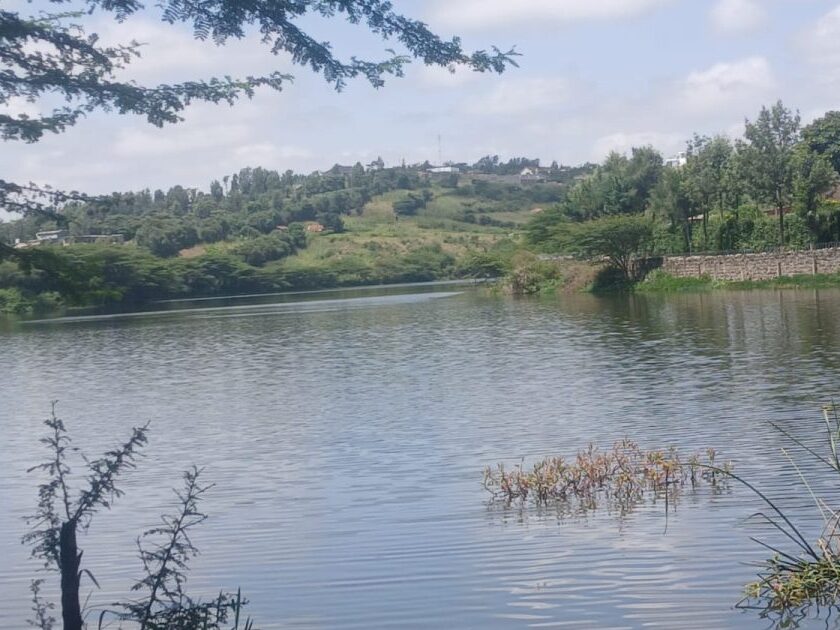
Kiserian Dam is an important water source serving communities in Kajiado County, including areas around Kiserian and Ongata Rongai. The reservoir has a reported storage capacity of approximately 1.22 million cubic metres and was designed to support water production of about 15,700 cubic metres daily.
However, reported current production stands at approximately 3,000 cubic metres per day, indicating a substantial difference between its designed capacity and actual output. The gap highlights the wider challenges facing the water supply system, although pollution alone cannot be identified as the cause without further technical assessment.
The reservoir’s challenges are compounded by urban development, inadequate sewage infrastructure, solid waste disposal and degradation of the surrounding catchment. Wastewater from households and commercial establishments can enter nearby drainage channels and streams, eventually reaching the reservoir.
Slaughterhouse operations also require close environmental oversight because poorly managed wastewater can introduce harmful microorganisms and increase nutrient and organic pollution in receiving water bodies.
The concerns place greater importance on the work being undertaken through the Groundwater Resources in Africa and the Middle East (GROWANA) programme, which seeks to improve understanding and sustainable management of groundwater resources through advanced mapping, scientific research and technical cooperation.
The programme is supporting the use of modern geophysical technologies to improve knowledge of underground geological formations and identify potential groundwater resources. Such information can help authorities understand aquifer structures, groundwater movement and areas that require protection.
However, identifying groundwater availability must go hand in hand with safeguarding its quality. Mapping underground water resources without addressing pollution risks could leave communities vulnerable to contamination even where sufficient groundwater exists.
The Kiserian situation therefore highlights the need for coordinated action involving the Water Resources Authority, the National Environment Management Authority, county authorities and water service providers to strengthen pollution surveillance and protect water sources.
Recommended interventions include improving wastewater treatment, enforcing regulations governing industrial and commercial effluent, protecting riparian areas and establishing regular water-quality monitoring programmes.
Hydrogeological assessments around Kiserian Dam would also help establish whether there is a connection between the polluted surface-water environment and surrounding aquifers, while identifying vulnerable groundwater recharge areas.
As Kenya continues to invest in groundwater exploration to address water shortages and climate-related pressures, the Kiserian case demonstrates why protecting existing water resources must remain central to the country’s water security agenda.