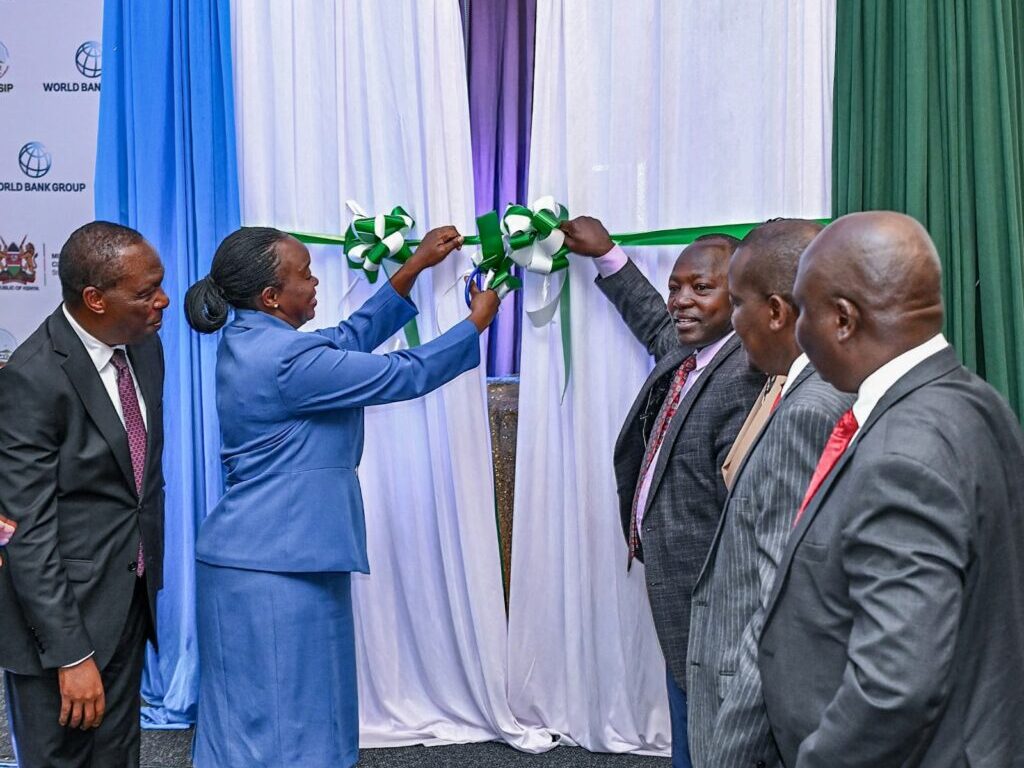








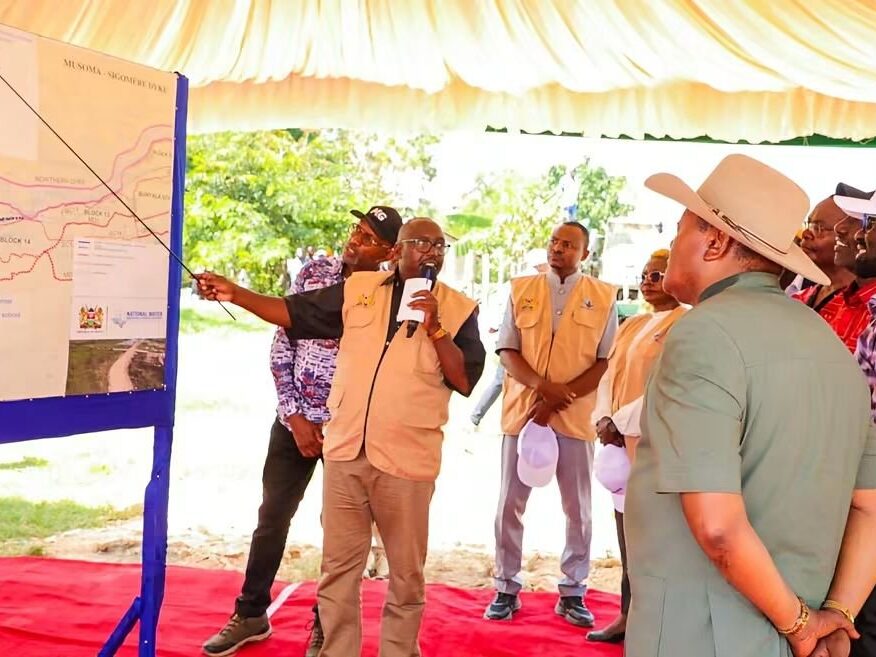
Kenya’s investment in climate-resilient infrastructure is gaining importance as increasingly unpredictable weather patterns, intense rainfall and rising river levels expose communities and public infrastructure to greater risks. The construction of the Musoma-Sigomere Dyke in Budalangi Constituency, Busia County, is among the interventions aimed at strengthening the country’s capacity to withstand climate-related disasters while protecting vulnerable populations and their livelihoods.
The project, implemented through the Ministry of Water, Sanitation and Irrigation, is designed to address recurrent flooding along River Nzoia, which has historically affected communities living in Budalangi and surrounding areas. The dyke marks an important step towards shifting from reactive responses to flooding towards long-term infrastructure investments that reduce exposure to climate risks.
Unlike emergency interventions that are often undertaken after floods have displaced families and destroyed property, climate-resilient infrastructure seeks to anticipate potential hazards and provide lasting protection. This approach is increasingly important for communities situated along major rivers, where prolonged rainfall and changes in river flow can overwhelm existing protection systems.
The Musoma-Sigomere Dyke is expected to strengthen flood protection by helping control the movement of floodwaters and reducing the risk of inundation in vulnerable settlements. Its significance extends beyond protecting residential areas, as recurrent flooding also threatens agricultural land, roads, schools, businesses and other essential public facilities.
For Budalangi residents, whose livelihoods are closely connected to agriculture and other economic activities along the flood-prone landscape, reducing the frequency and severity of flooding is important for maintaining household incomes, food production and access to essential services. Flooding can destroy crops, interrupt transportation, damage infrastructure and force families to relocate, creating economic and social costs that can persist long after floodwaters recede.
The investment also highlights the importance of designing infrastructure that can withstand changing climatic conditions. As rainfall patterns become less predictable, infrastructure constructed without considering future climate risks may become inadequate, exposing communities to repeated damage and requiring costly repairs. Climate-resilient projects therefore need to account for potential increases in river levels, intense rainfall, soil erosion and changing flood patterns throughout their design, construction and maintenance.
Beyond the construction of new dykes, Kenya’s broader climate adaptation strategy requires strengthening existing flood-control infrastructure. This includes repairing weakened sections of river embankments, stabilising vulnerable riverbanks, improving drainage systems and ensuring that water channels can accommodate heavy runoff during periods of intense rainfall.
The protection of public infrastructure is particularly important because flooding can disrupt essential services and undermine development investments. Roads and bridges may become impassable, schools can be forced to close, while water supply and sanitation facilities may suffer damage or contamination. Protecting these assets helps communities maintain access to essential services even during extreme weather events.
Climate-resilient infrastructure also has economic benefits. Preventing flood damage can reduce the financial burden associated with emergency response, reconstruction and the replacement of damaged public facilities. It can also give farmers, traders and businesses greater confidence to continue investing in areas that would otherwise face repeated disruptions from flooding.
However, the long-term effectiveness of the Musoma-Sigomere Dyke will depend on more than its construction. Regular inspections, timely repairs and proper maintenance will be necessary to identify weaknesses before they develop into major failures. Changes in river flow, sediment accumulation and erosion can affect the performance of flood-control structures over time, making continuous monitoring essential.
There is also a need to integrate structural protection with non-structural measures. Reliable early-warning systems can give residents sufficient time to move people, livestock and valuable property to safer locations when flood risks increase. Proper land-use planning can discourage settlement and development in highly exposed areas, while catchment management can help reduce soil erosion and uncontrolled runoff entering rivers.
For River Nzoia, this requires coordinated management across the wider basin rather than concentrating interventions in individual communities. Activities upstream, including land degradation, changes in vegetation cover and poor management of drainage systems, can influence the volume and movement of water reaching downstream settlements.
The Musoma-Sigomere Dyke therefore represents an important investment in protecting Budalangi against recurrent flooding, while highlighting the wider need for infrastructure that can withstand climate-related pressures. As Kenya continues to experience the effects of climate variability, investments in resilient roads, bridges, water systems, drainage networks and flood-control structures will remain essential to safeguarding development gains.
The priority will be ensuring that such infrastructure is properly designed, maintained and integrated into broader climate adaptation plans so that protection extends beyond individual projects to entire communities and economic systems.