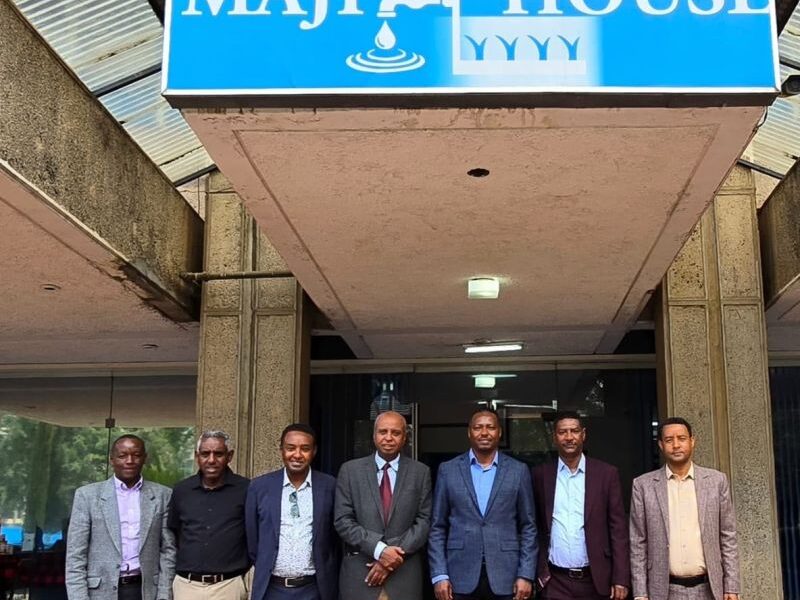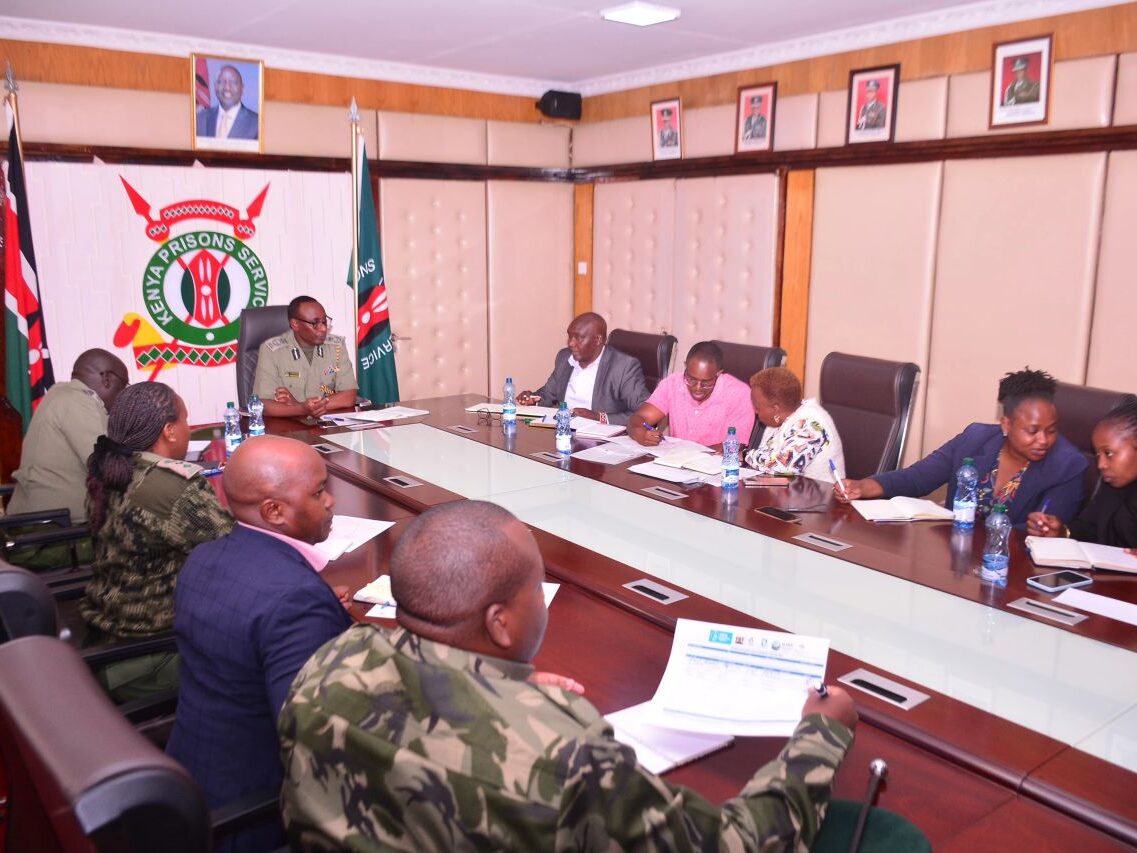








Malindi Water and Sewerage Company (MAWASCO) and Kilifi-Mariakani Water and Sewerage Company (KIMAWASCO) have joined an international water-sector partnership aimed at reducing water losses and improving water and sanitation services along Kenya’s Coast.
The two utilities have signed WaterWorX water operator partnership agreements with World Waternet, paving the way for a four-year collaboration running from 2027 to 2030. The initiative will focus on strengthening operational performance, reducing non-revenue water (NRW) and improving the delivery of water and sanitation services to customers.
The agreements expand an existing cooperation programme that brings together Kenyan water service providers and Dutch water utilities to share technical expertise, operational experience and approaches to improving water management.
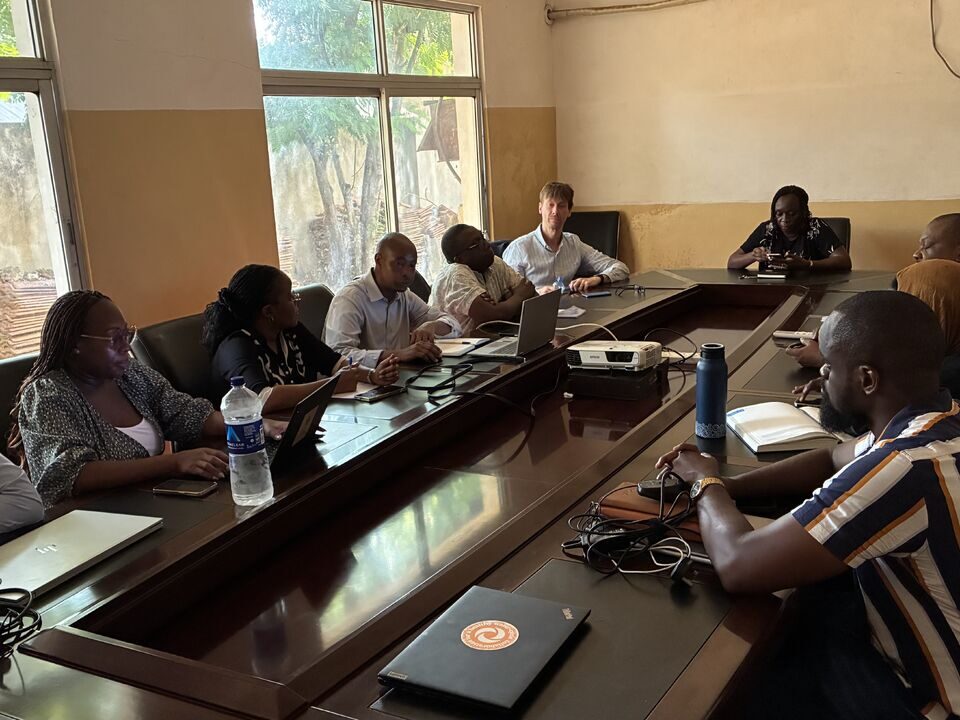
Following the signing, technical teams from Dutch water utility Waternet joined their Kenyan counterparts to begin developing the programme’s implementation agenda and refining performance targets. The initial discussions are intended to translate the partnership agreements into practical activities that can address operational challenges within the participating utilities.
A central priority will be reducing non-revenue water, which refers to treated water that enters a distribution network but does not generate revenue for the utility. Losses can occur through leaking and burst pipes, illegal connections, inaccurate meters, faulty billing systems and unauthorised consumption.
High NRW levels remain a significant challenge for many Kenyan water utilities because they reduce the volume of water available for paying customers while increasing production and distribution costs. Utilities consequently spend resources treating and pumping water that is lost before reaching consumers or is delivered without being properly accounted for.
The partnership is expected to strengthen the technical and institutional capacity of MAWASCO and KIMAWASCO to identify these losses, improve network management and adopt more effective operational practices.
Beyond reducing physical water losses, the programme will also address the broader management of water services, including improving operational efficiency and strengthening sanitation service delivery. This is important for coastal communities experiencing growing demand for reliable water supply alongside the need for improved sanitation infrastructure.
WaterWorX is built around cooperation between water utilities, allowing operators to learn directly from their counterparts through technical exchanges, joint planning and practical capacity development. Rather than relying exclusively on external consultants, the model encourages long-term relationships through which participating utilities can develop skills and apply proven approaches to their own operating environments.
The expansion to Malindi and Kilifi-Mariakani also creates opportunities for stronger cooperation among Kenyan utilities already participating in the programme, including Nairobi Water and Embu Water and Sanitation Company.
World Waternet’s involvement brings Dutch water-sector experience into the partnership, while Kenyan utilities contribute knowledge of local operating conditions, infrastructure constraints and customer needs.
The 2027–2030 programme will therefore provide an opportunity to establish measurable performance targets and track improvements in water loss reduction and service delivery over time.
For Kenya’s water sector, partnerships of this nature offer an additional approach to addressing infrastructure and operational challenges that cannot be resolved through increased water production alone. Improving the efficiency of existing distribution networks can help utilities recover lost revenue, make better use of available water resources and extend services to more households.
The success of the expanded partnership will ultimately depend on how effectively the participating utilities translate technical knowledge into operational improvements, maintain the necessary institutional commitment and sustain the interventions beyond the programme period.