







Kenya has launched a five-year national strategy aimed at transforming waste management, promoting resource efficiency and creating new economic opportunities through recycling, reuse and recovery of valuable materials.
The National Circular Economy Strategy and Implementation Plan (CESIP) 2027–2032 was officially launched on Tuesday, November 24, 2026, by Cabinet Secretary for Environment, Climate Change and Forestry Dr Deborah Barasa at a Nairobi hotel.
The strategy, launched under the theme “Transforming Waste into Wealth for a Sustainable, Resource-Efficient and Prosperous Kenya,” seeks to accelerate the country’s transition from a traditional linear economic model, where resources are extracted, used and discarded, to a circular economy that prioritises waste prevention, repair, reuse, recycling and recovery of materials.
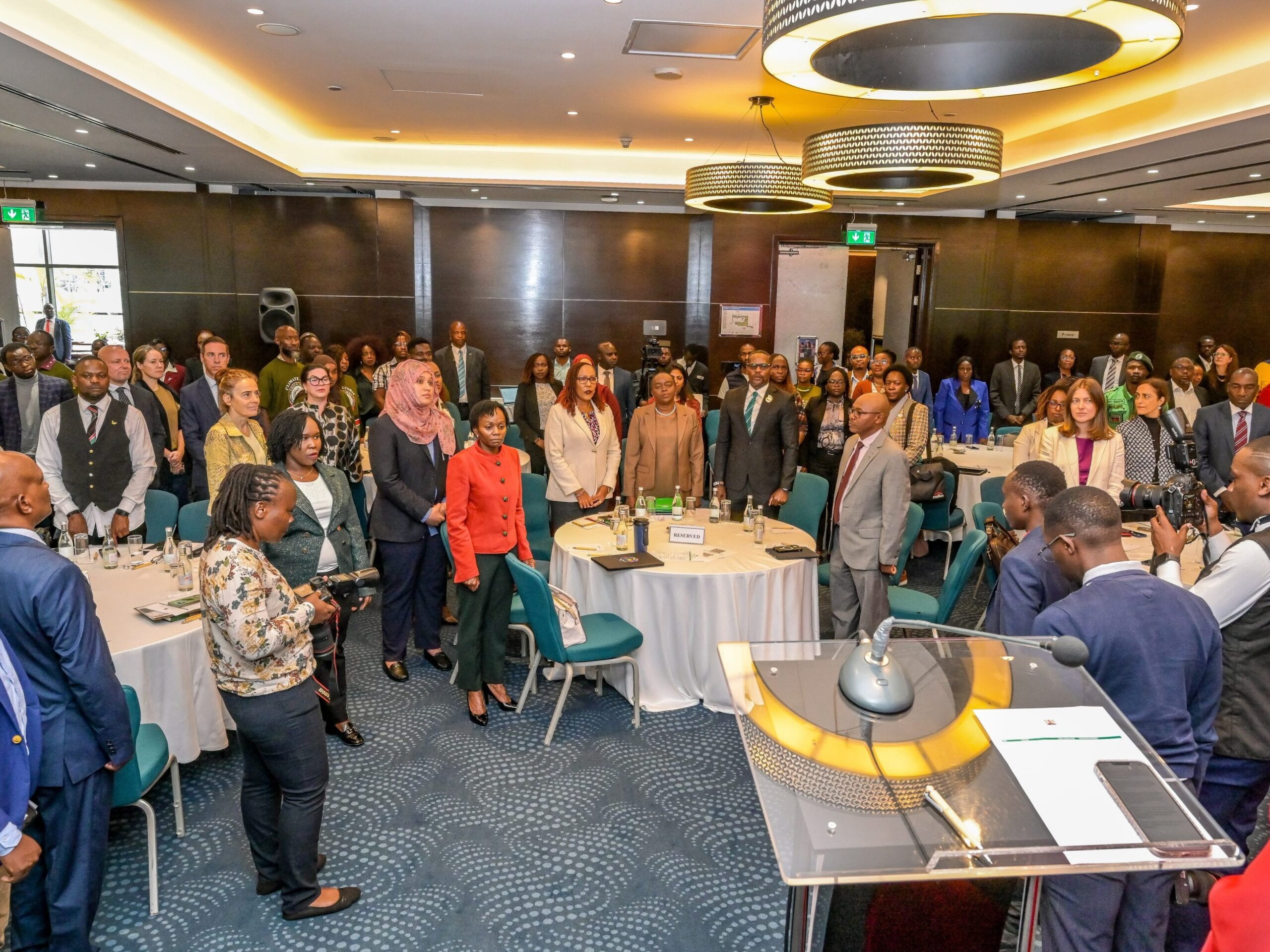
The launch brought together government leaders, development partners, private sector representatives and other stakeholders, reflecting the importance of coordinated action in implementing the new framework.
Dr Barasa was accompanied by Environment and Climate Change Principal Secretary Dr Eng. Festus Ng’eno, Denmark’s Ambassador to Kenya H.E. Stephen Schonemann and Council of Governors Chief Executive Officer Mary Mwiti, EBS, among other officials and stakeholders.
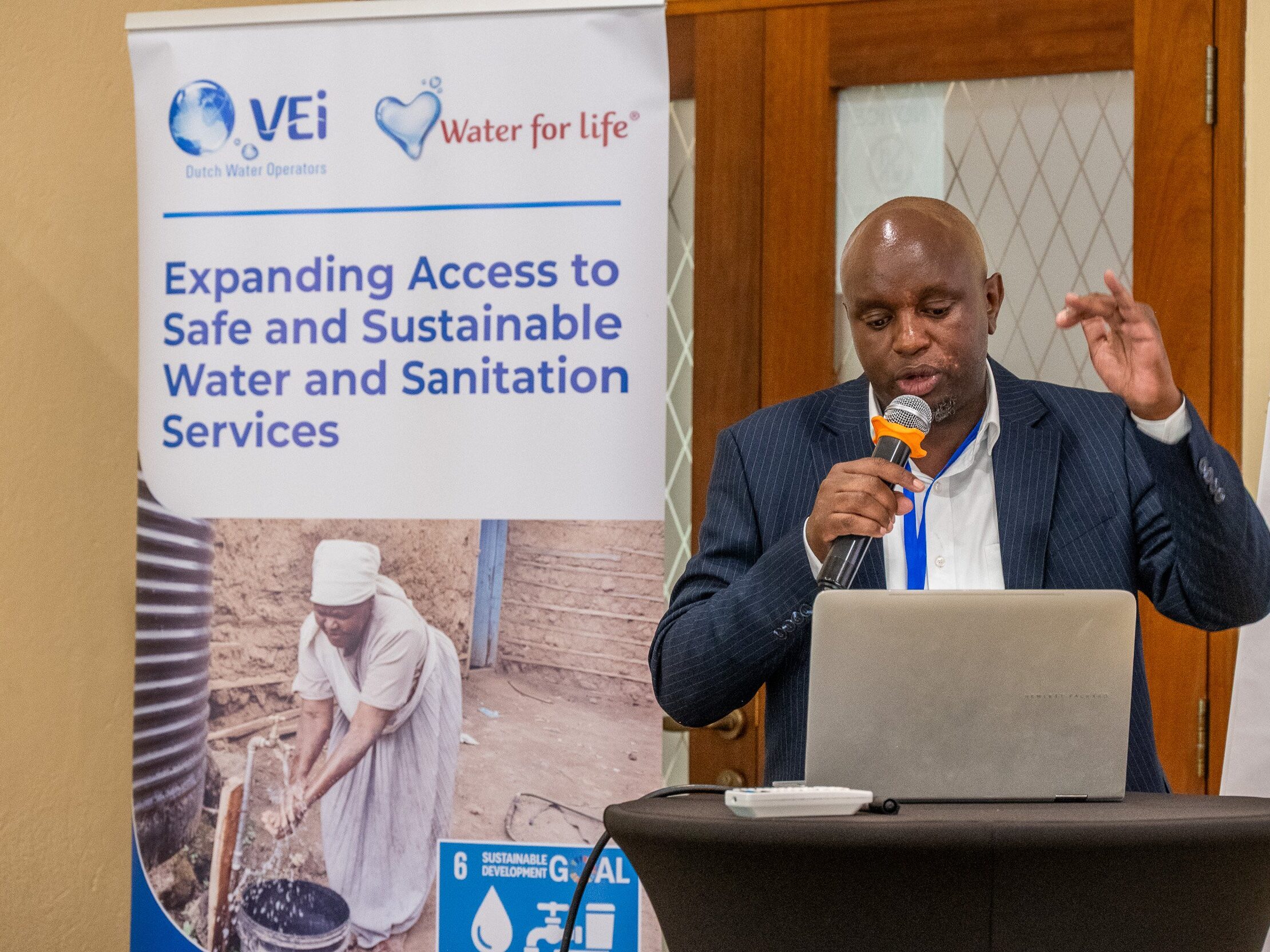
Speaking during the launch, Barasa emphasised that successful implementation of the strategy would require collective responsibility, noting that the government alone could not deliver the transition towards a circular economy.
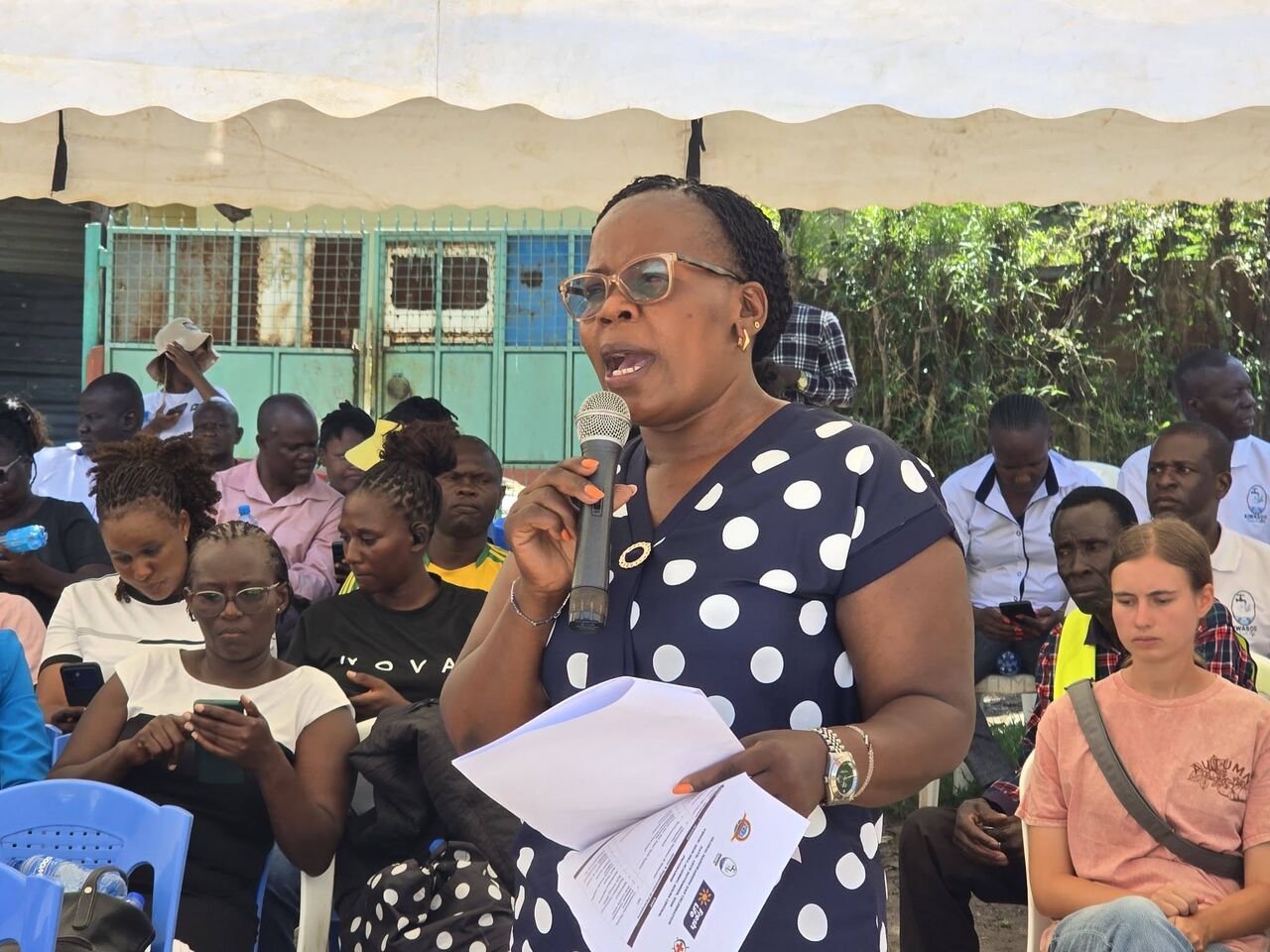
She called on county governments, manufacturers, businesses, development partners and citizens to embrace sustainable production and consumption practices while strengthening systems for recovering and reusing discarded materials.
The strategy identifies five priority sectors expected to drive Kenya’s circular economy transition. These are agriculture and food systems, plastics and packaging, electrical and electronic equipment, textiles and apparel, and mining, quarrying and construction.
In agriculture and food systems, the framework seeks to promote the recovery and productive use of organic waste and agricultural residues. Such materials can be converted into compost and other useful products, reducing disposal challenges while supporting agricultural productivity and creating additional income opportunities.
For plastics and packaging, the strategy focuses on improving collection and recycling systems, encouraging sustainable packaging and strengthening Extended Producer Responsibility mechanisms. These measures are intended to reduce plastic pollution while supporting businesses involved in the recovery and processing of discarded packaging materials.
The electrical and electronic equipment sector will focus on improving the collection, handling and recycling of electronic waste, which includes discarded computers, mobile phones, electrical appliances and other equipment. Proper management of such waste is important because poorly handled electronic products can release hazardous substances into the environment while valuable materials remain unrecovered.
The textiles and apparel sector is expected to benefit from practices such as repairing, reusing and recycling clothing and other textile products. Meanwhile, the mining, quarrying and construction sector will focus on improving material efficiency and recovering resources from construction and demolition waste.
Environment Principal Secretary Dr Eng. Festus Ng’eno said the strategy provides an opportunity to convert environmental challenges into economic opportunities by encouraging industries to adopt resource-efficient production systems.
He emphasised the importance of moving beyond policy development towards practical implementation, with stronger partnerships required to support investment, innovation, enterprise development and employment creation.
The framework is also expected to create opportunities for micro, small and medium-sized enterprises involved in waste collection, sorting, recycling, repair and resource recovery. Young people, women and informal-sector workers are among those expected to benefit from the expansion of circular economy activities.
Its implementation will require collaboration between national and county governments, manufacturers, investors, development partners, civil society organisations and local communities.
County governments are expected to play an important role through improved waste collection, segregation at source, development of material recovery facilities and support for local recycling initiatives. Private sector participation will be essential in financing recycling infrastructure, developing markets for recovered materials and introducing production systems that minimise waste.
CESIP builds on existing environmental reforms, including the Sustainable Waste Management Act, 2022, and the Extended Producer Responsibility Regulations, 2024, which place greater responsibility on producers and importers for managing products and packaging beyond their initial use.
The strategy’s development involved consultations with stakeholders across Nairobi, Kisumu, Mombasa, Nakuru and Eldoret, bringing together businesses, county governments, civil society organisations, development partners and informal-sector representatives.
Following the preparatory phase in 2027, implementation is planned for the 2028–2032 period, providing a framework for coordinating interventions across the five priority sectors.
The launch marks an important step in Kenya’s efforts to integrate environmental protection with economic development. Its success, however, will depend on translating the policy commitments into functioning recycling systems, accessible financing, stronger markets for recovered materials and measurable improvements in waste management across the country.