








Kenya’s growing reliance on groundwater to meet rising urban water demand has exposed significant gaps in the management and protection of underground water resources, with experts highlighting the need for stronger policies and enforcement to safeguard the Nairobi Aquifer System.
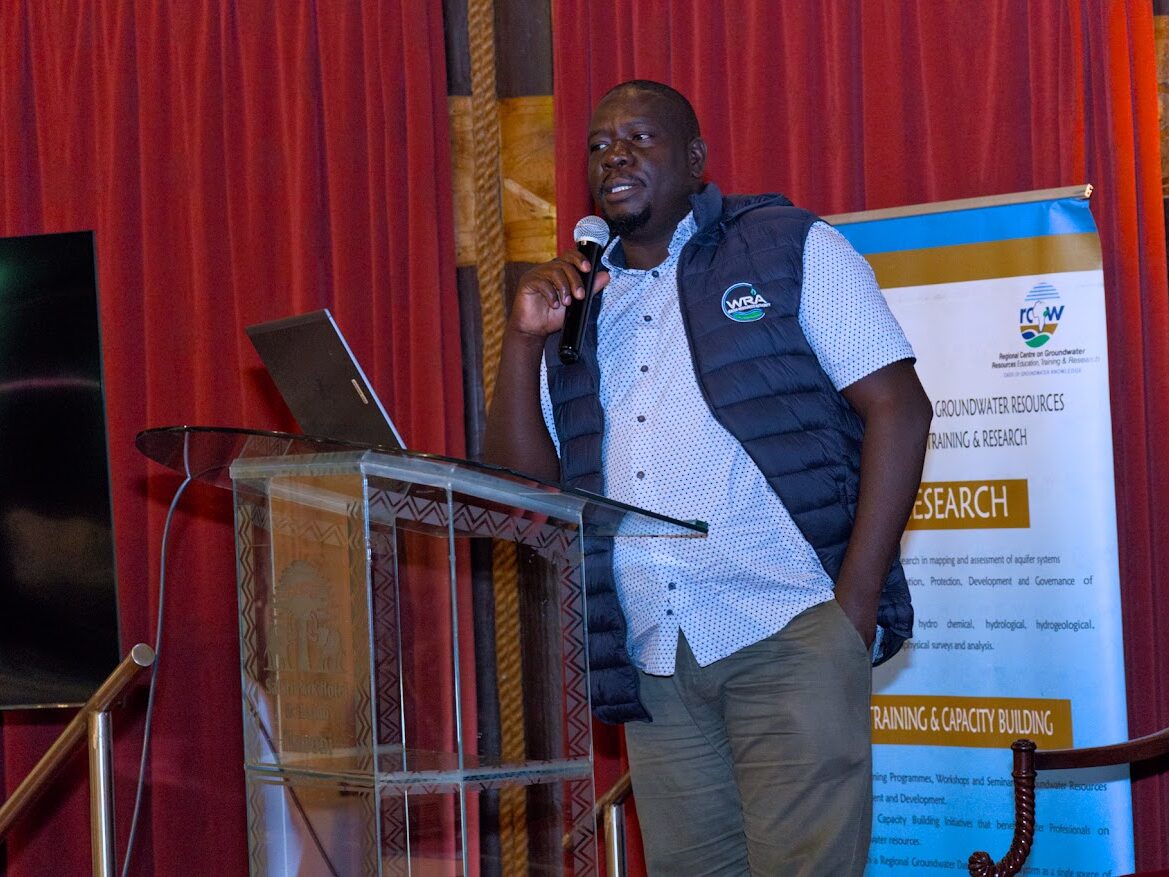
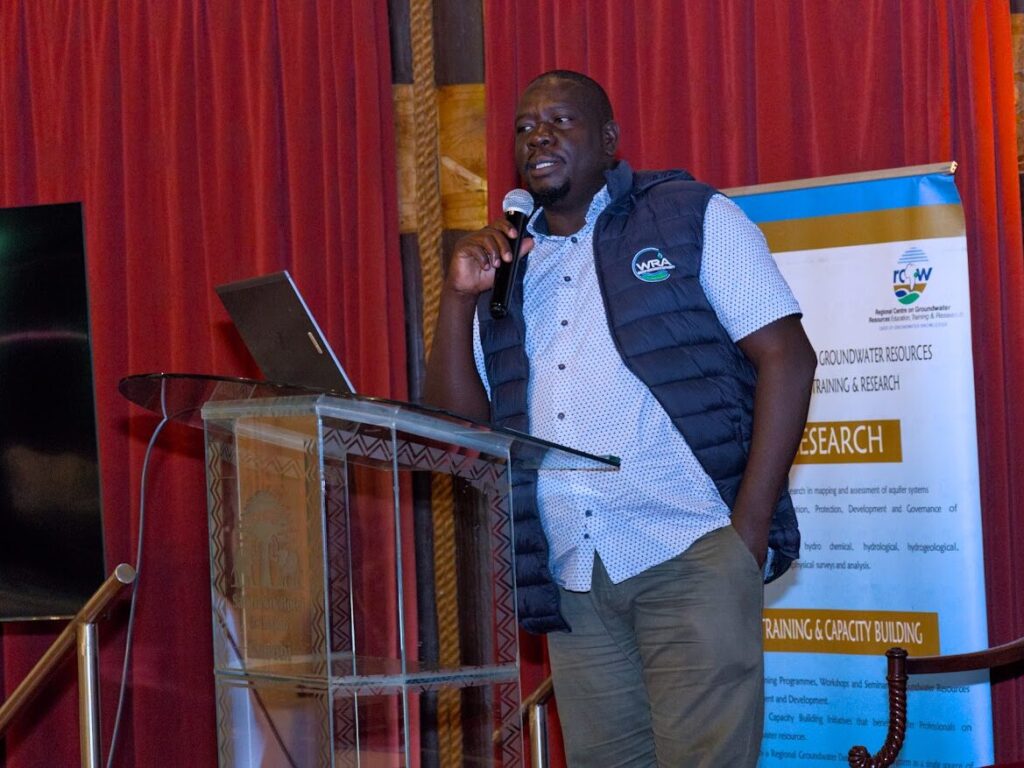
The concerns emerged during the GROWANA Project discussions held on November 17, 2026, focusing on groundwater mapping in Nairobi and the policy challenges affecting sustainable management of the resource.
The discussions highlighted that although Kenya has an established legal framework governing groundwater use, weaknesses in implementation, institutional coordination, enforcement and access to reliable data continue to undermine effective resource management.
Nairobi provides a critical example of these challenges as population growth, rapid urbanisation and increasing demand for water have pushed more households, commercial establishments and industries towards private boreholes to supplement unreliable piped water supplies.
The Nairobi Aquifer System is therefore becoming increasingly important to the city’s long-term water security. However, growing dependence on underground water raises concerns about excessive abstraction, groundwater contamination and the ability of natural systems to replenish aquifers.
Under the Water Act 2016, the Water Resources Authority (WRA) is responsible for regulating water abstraction, protecting water resources and issuing permits for groundwater development. The Water Resources Regulations 2025 also provide for groundwater monitoring, reporting and authorisation of artificial groundwater recharge activities.
Despite these provisions, enforcement remains a major challenge, particularly in rapidly expanding urban areas where borehole development continues to increase.
One of the policy gaps highlighted is the fragmented responsibility among institutions involved in groundwater management. While WRA regulates water abstraction, county governments oversee physical planning, building approvals, drainage and development activities. Environmental protection and public health responsibilities also involve other government agencies.
In Nairobi, decisions on land development, sanitation, drainage and infrastructure can directly affect underground water resources. However, groundwater protection is not always adequately integrated into these planning processes, creating coordination challenges between national and county institutions.
The regulation of private boreholes is another concern. Effective groundwater management requires boreholes to be registered, licensed, metered and regularly monitored to establish how much water is being extracted and whether abstraction remains within sustainable limits.
Without comprehensive monitoring, regulators may struggle to determine the cumulative impact of groundwater extraction on the Nairobi Aquifer System.
The discussions also pointed to the importance of reliable groundwater information. Sustainable management requires continuous data on aquifer levels, recharge rates, abstraction volumes and water quality. Improved groundwater mapping under GROWANA could provide scientific information to strengthen planning, resource allocation and regulatory decisions.
Rapid urban development presents another threat through the loss of natural groundwater recharge areas. Increasing construction of buildings, roads and paved surfaces reduces the amount of rainfall that naturally infiltrates the ground, while increasing surface runoff and flood risks.
Protecting recharge areas through land-use planning, zoning and development controls is therefore important in maintaining the long-term sustainability of underground water reserves.
Groundwater pollution also requires stronger attention, particularly in densely populated areas where poorly managed septic systems, leaking sewer infrastructure, industrial effluent and uncontrolled waste disposal can contaminate underground sources.
The discussions further highlighted Managed Aquifer Recharge (MAR) as an opportunity to strengthen Nairobi’s water security by storing suitable excess water underground for future use.
Kenya’s Water Resources Regulations 2025 provide for artificial groundwater recharge subject to authorisation and technical assessments. However, implementation requires clear procedures covering suitable recharge sites, water-quality safeguards, monitoring, operational responsibilities and long-term financing.
A comprehensive management framework for the Nairobi Aquifer System would help address these challenges by bringing together groundwater abstraction controls, recharge protection, pollution prevention and continuous monitoring.
Importantly, the aquifer system extends beyond individual administrative boundaries, making cooperation among relevant institutions essential for sustainable management.
The GROWANA Project presents an opportunity to improve understanding of Nairobi’s underground water resources through advanced groundwater mapping and scientific investigations. However, the long-term value of the findings will depend on their translation into practical policies, stronger enforcement and integration into urban development planning.
The discussions underscored the need for Kenya to move beyond treating groundwater as an alternative source whenever municipal supplies become unreliable and instead manage it as a strategic resource requiring long-term protection.
As Nairobi’s water demand continues to rise, strengthening groundwater governance will be critical in ensuring that investments in mapping and aquifer recharge deliver lasting benefits to the city.