









The Government is seeking to attract local and international investors into Kenya’s maritime sector through a proposed investment policy that will provide incentives for businesses operating in shipping, fisheries, shipbuilding, port infrastructure and marine tourism.
The proposed Kenya Maritime Investment Policy and Incentives Regime is intended to address barriers limiting investment in the country’s blue economy while positioning Kenya as a competitive regional maritime hub.
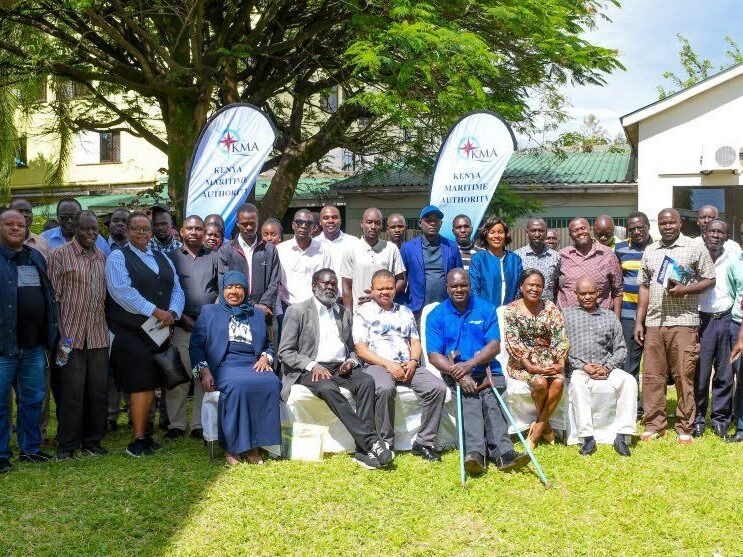
The initiative was discussed during a public participation and stakeholder engagement forum held on November 13, 2026, at Kisumu Hotel in Kisumu County. The meeting was organised by the State Department for Shipping and Maritime Affairs in collaboration with the Kenya Maritime Authority (KMA), bringing together maritime industry players, civil society organisations and members of the public from Kisumu and neighbouring counties.
Principal Secretary for Shipping and Maritime Affairs Aden A. Millah, represented at the meeting by Secretary Administration Fauzia Suleiman, said the proposed policy would provide a framework for unlocking investment opportunities, strengthening the maritime industry and creating employment.
The framework identifies shipping, shipbuilding, ship repair, port infrastructure, maritime logistics, marine tourism, maritime education and digital innovation as priority investment areas.
Among the proposed incentives are capital allowances, Value Added Tax exemptions and relief from railway development levies and import declaration fees. The government also intends to introduce non-financial incentives, including improved infrastructure, streamlined documentation, simplified operational procedures and reforms to the regulatory environment.
These measures are expected to make it easier for businesses to establish and expand maritime operations while reducing the cost of investing in the sector.
Kenya has significant maritime advantages through its approximately 640-kilometre Indian Ocean coastline, access to international shipping routes and extensive inland water resources. However, the economic potential of these resources remains underutilised, particularly in shipping, marine industries, fisheries and inland water transport.
According to the State Department, high investment costs, limited access to financing, infrastructure gaps, regulatory challenges and inadequate private sector participation have continued to constrain the sector’s growth.
The proposed policy therefore seeks to create a more predictable investment environment while encouraging partnerships between government institutions, local businesses and international investors.
The framework also extends opportunities beyond the coastal region to inland water bodies, including Lake Victoria, Lake Naivasha and Lake Baringo, where fisheries, transport and other water-based economic activities can support livelihoods and regional trade.
Director of Planning at the State Department for Shipping and Maritime Affairs Gideon Mwangi noted that the country’s inland water resources offer considerable opportunities for fisheries, minerals and other economic activities that have not been fully developed.
The government also intends to ensure that investment opportunities benefit small-scale operators, including fishermen and Beach Management Units, by improving access to affordable equipment, financing and infrastructure.
The proposed policy comes as Kenya’s fisheries industry continues to demonstrate its economic potential. The country’s fish production reached 189,150 tonnes in 2025, valued at approximately Sh54.86 billion, representing a significant increase from the previous year. Growth in marine fisheries and aquaculture has also contributed to efforts to strengthen domestic fish supplies and reduce reliance on imports.
Beyond fisheries, expanding ship repair facilities, maritime logistics, port services and marine tourism could create additional employment opportunities for young people while supporting businesses involved in transportation, processing, manufacturing and other related services.
The Kisumu meeting formed part of a wider public participation exercise targeting counties with marine and inland water resources. Consultations had also been conducted in Lamu, Kwale, Mombasa, Kilifi, Nakuru and Naivasha, with further engagement planned in Turkana.
The views collected from stakeholders will inform the final policy framework before its implementation.
The proposed investment regime signals a broader government ambition to transform the blue economy into a stronger contributor to national economic growth, industrial development and employment creation. Its success will depend on how effectively the proposed incentives address existing investment barriers and translate Kenya’s maritime resources into sustainable business opportunities and improved livelihoods.