Kenya has enacted a new law establishing a statutory professional body to regulate environmental practitioners and consulting firms, introducing a formal framework for professional registration, licensing, ethical conduct and accountability in the environmental sector.
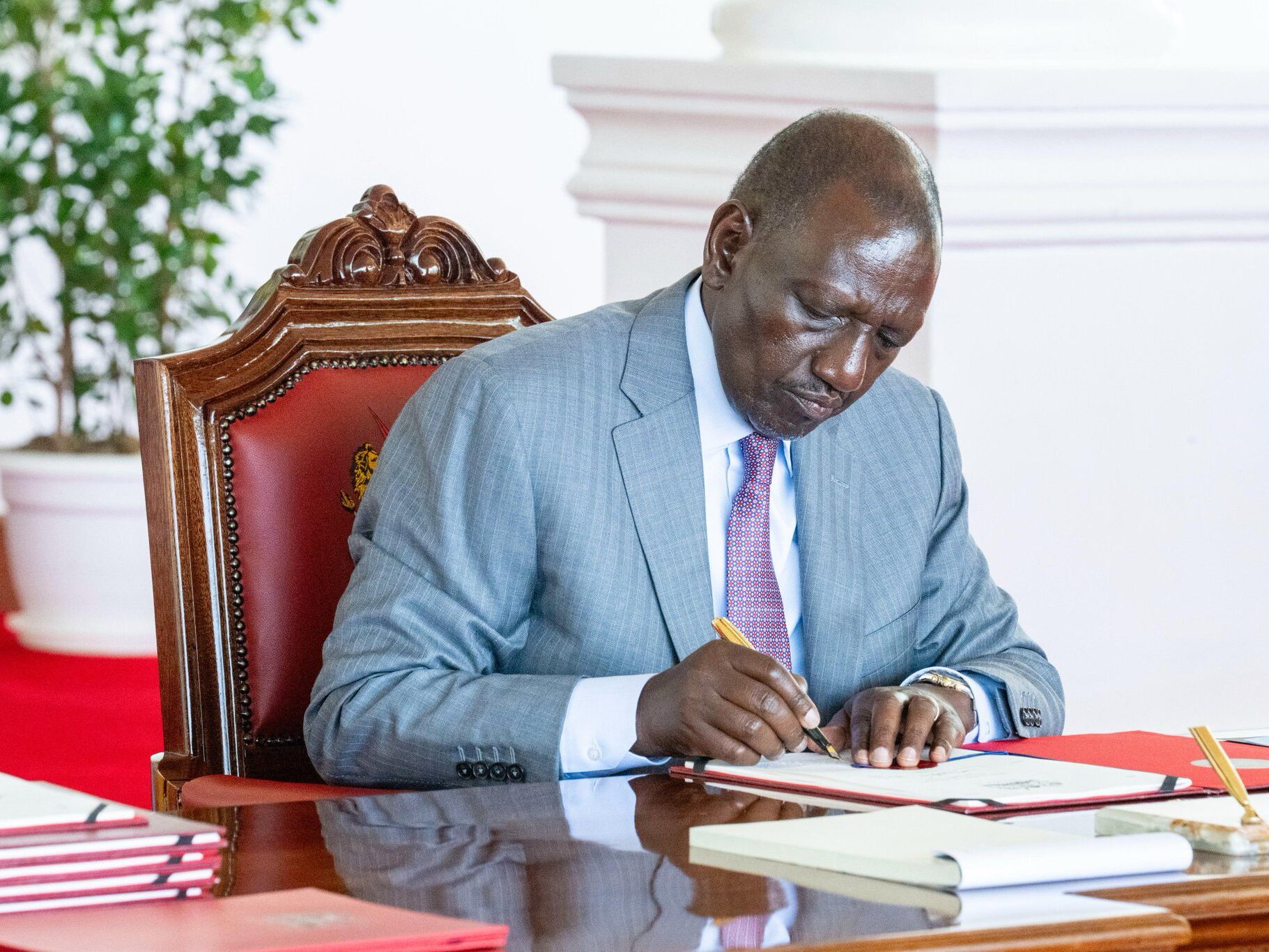
President William Ruto assented to the Environmental Professionals Institute of Kenya Bill, 2024, on Thursday, November 26, 2026, giving legal recognition to the Environmental Professionals Institute of Kenya (EPIK) and setting the foundation for professional oversight across the country.
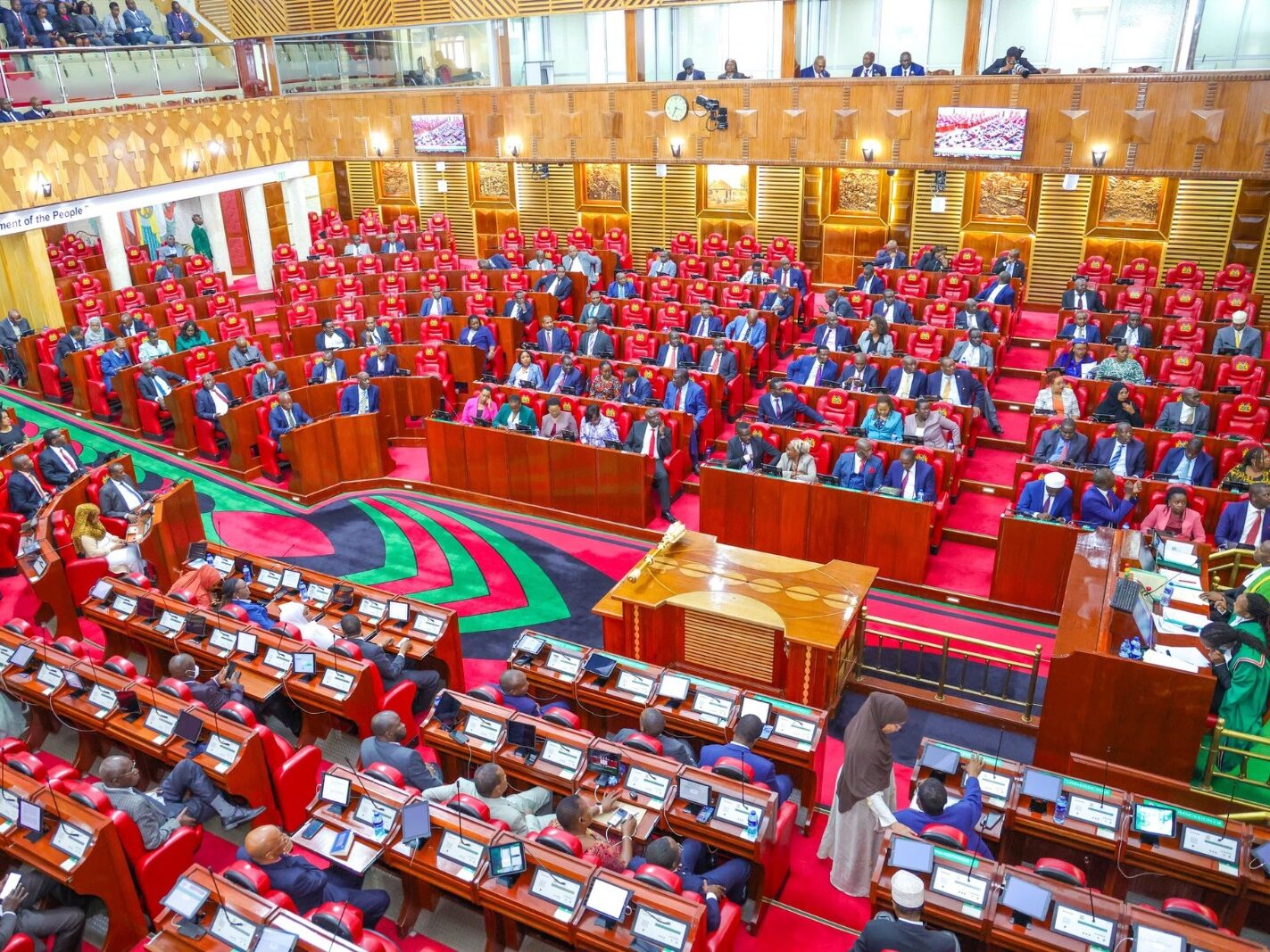
The legislation, sponsored by Ndaragwa Member of Parliament George Gachagua as National Assembly Bill No. 36 of 2024, was passed by the National Assembly on October 14, 2026, before being forwarded for presidential assent.
The new law seeks to address the need for a structured professional framework in a sector where environmental experts provide services in environmental assessments, audits, natural resource management, pollution control, conservation and infrastructure development.
Through the establishment of EPIK as a statutory body, the legislation gives the Institute responsibility for registering, licensing and regulating environmental professionals while overseeing their professional development and standards of practice.
One of the central provisions is the introduction of a formal registration and licensing system. Environmental practitioners will be required to meet prescribed academic and professional qualifications, register with the Institute and obtain valid practising certificates to offer professional services.
The framework also makes continuous professional education and development a requirement for practising, meaning professionals will be expected to maintain and improve their knowledge and technical competence throughout their careers.
This is intended to strengthen the quality of environmental services by ensuring that practitioners meet recognised professional standards and remain accountable for the work they undertake.