







Kenya is seeking to deepen its water sector cooperation with Israel, with discussions focusing on technology transfer, groundwater management and professional training to strengthen the country’s capacity to address growing water security challenges.
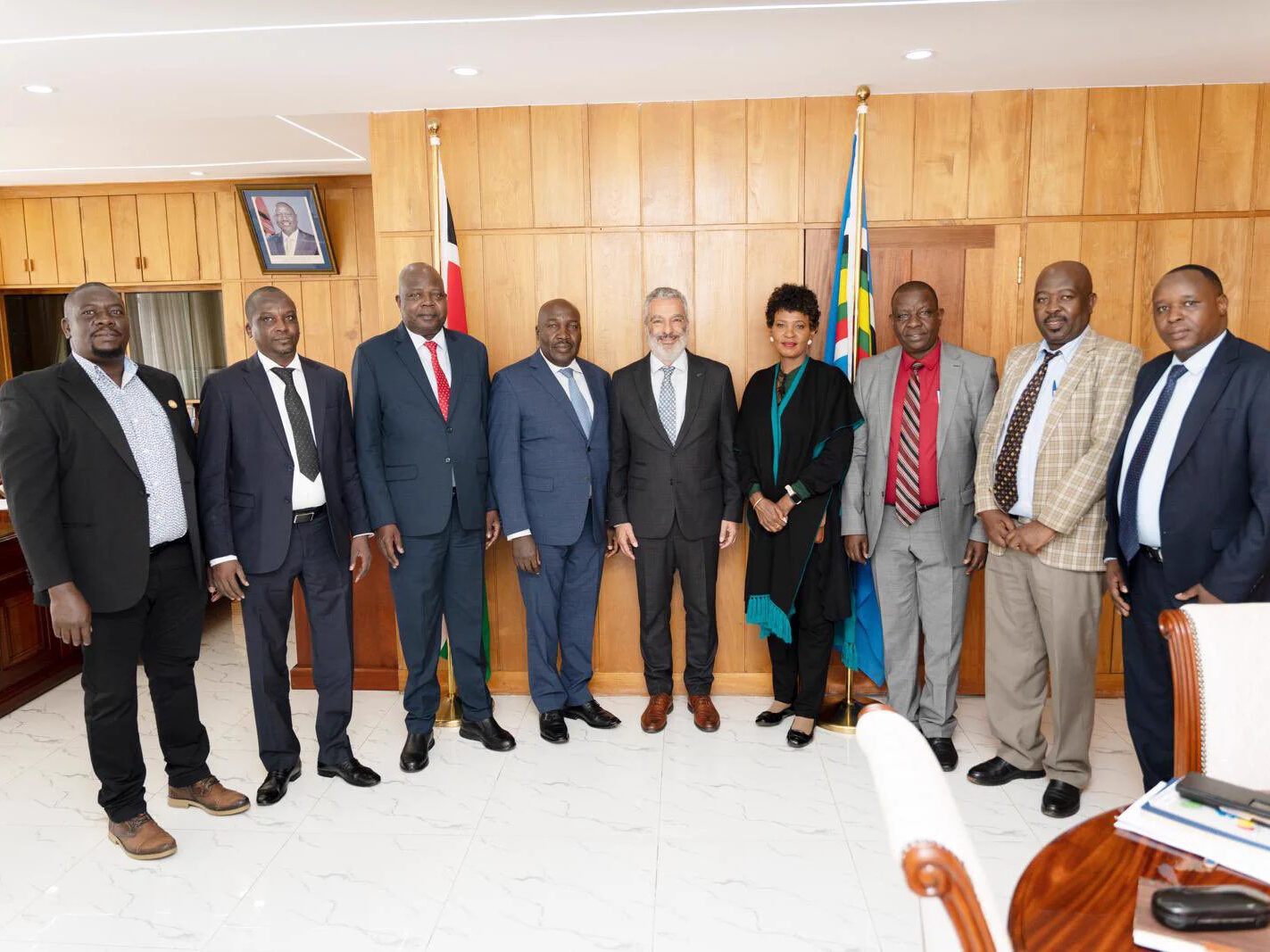
The renewed cooperation agenda emerged during a meeting between Principal Secretary for Water and Sanitation Julius Korir and Israel’s Ambassador to Kenya, Gideon Behar, who paid a courtesy call at the PS’s office. The discussions explored opportunities for the two countries to expand technical collaboration, improve water resources management and equip Kenyan professionals with specialised skills needed to manage increasingly pressured water systems.
A major focus of the engagement was technology transfer, particularly the adoption of innovative approaches that can improve water conservation, treatment, distribution and utilisation. The two sides also discussed strengthening the expertise of water sector professionals through knowledge exchange and capacity-building programmes.
The discussions come at a time when Kenya is facing mounting pressure on its freshwater resources due to climate variability, population growth and increasing demand from households, agriculture and industries. Unpredictable rainfall, prolonged droughts and declining river flows have affected the reliability of water supplies, making investment in efficient water management and alternative sources increasingly important.
Israel’s experience in managing water scarcity offers potential lessons for Kenya, particularly in water recycling, wastewater treatment, desalination and efficient irrigation. The country has invested in technologies that allow treated wastewater to be reused, reduce water consumption in agriculture and improve the utilisation of limited freshwater resources.
Such approaches could support Kenya’s efforts to reduce pressure on conventional water sources while improving the reliability of supplies for different users. Technology transfer could also strengthen the country’s capacity to monitor water quality, manage groundwater reserves and reduce losses across water supply systems.
The proposed cooperation builds on existing engagements between the two countries in water management. Through its Agency for International Development Cooperation, MASHAV, Israel has identified water resources management, water and wastewater treatment, water quality conservation and pollution control among areas of technical cooperation with Kenya.
The cooperation framework provides opportunities for professional training, technical consultancy, study visits and the introduction of relevant technologies. Strengthening laboratory capacity and improving water quality monitoring are also important areas, particularly as pollution from untreated wastewater, industrial discharge and agricultural runoff continues to threaten freshwater ecosystems.
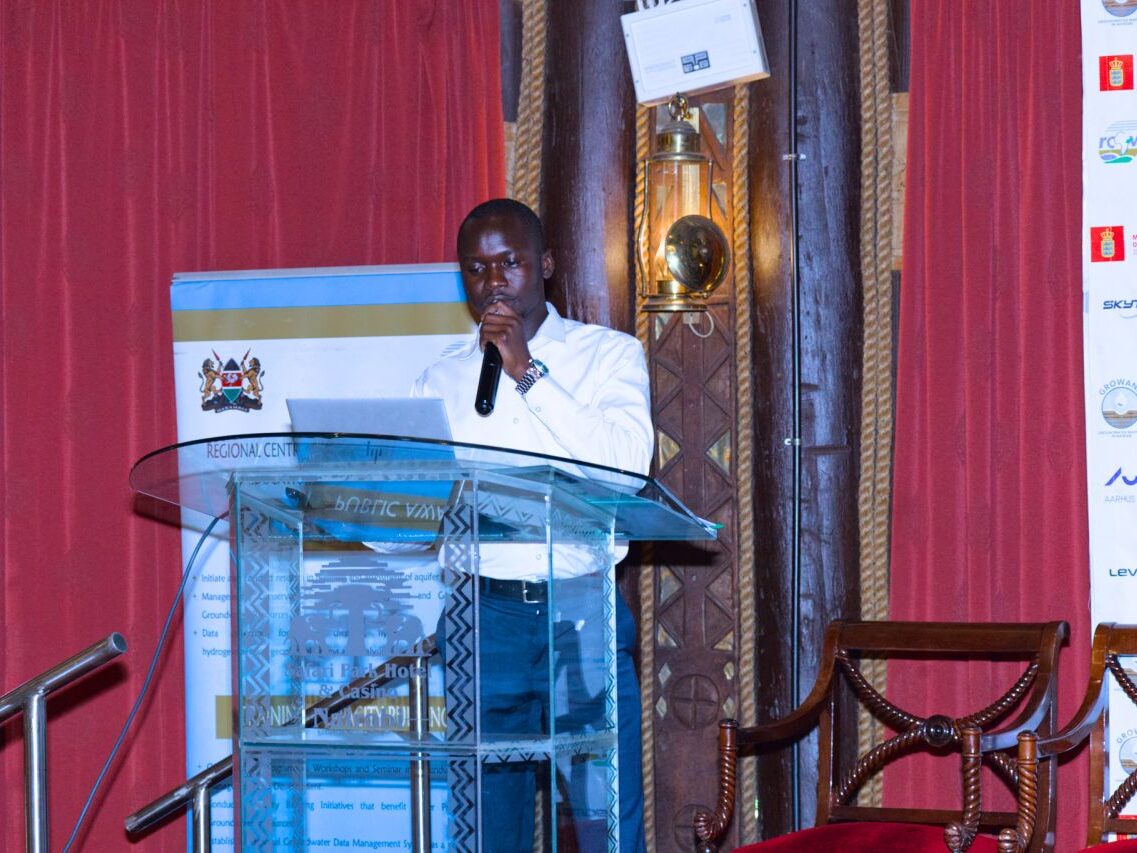
Kenya has also explored cooperation with Israel on groundwater management, an increasingly important area given the country’s vulnerability to drought. In August 2026, the Water Resources Authority engaged Ambassador Behar in discussions on applying Israeli expertise and technologies to the sustainable management of groundwater, particularly in arid and semi-arid areas.
The engagement focused on strategic groundwater reserves, improved resource management and approaches associated with a circular water economy. Groundwater remains an essential source of water for communities, livestock and economic activities in many dryland counties, making accurate aquifer assessments, regular monitoring and controlled abstraction necessary to protect supplies from depletion.
The latest meeting also addressed the Ministry’s participation in the upcoming Water Security Dialogue, which will be jointly hosted by the Embassy of Israel and the United Nations Office at Nairobi (UNON). The event is expected to bring together stakeholders to share experiences, exchange technical knowledge and explore innovative responses to water security challenges.
The dialogue could provide an opportunity to build on the bilateral discussions by identifying practical areas for cooperation and encouraging greater collaboration among institutions involved in water management, research and development.
For Kenya, the value of the partnership will depend on translating technical discussions into practical interventions that address local water challenges. Strengthening professional skills, improving monitoring systems and adopting appropriate technologies could help water institutions manage resources more efficiently and improve their ability to respond to droughts, pollution and rising demand.
As climate change and population growth continue to place pressure on freshwater supplies, international partnerships that combine technical expertise with local capacity building will remain important in securing sustainable water resources and improving access to reliable water and sanitation services.