Water storage and extraction systems are increasingly important in Kenya as farmers, industries and water service providers seek reliable ways of managing available water resources amid changing weather patterns and growing demand.
One technology that could support more efficient water extraction is the floating suction device, a specialised intake system designed to draw water from reservoirs, dams, ponds and storage tanks while minimising the intake of accumulated sediments.
The technology offers an alternative to conventional fixed-bottom intake systems, which can draw sand, silt and other settled materials into pumping equipment, particularly when water levels decline.
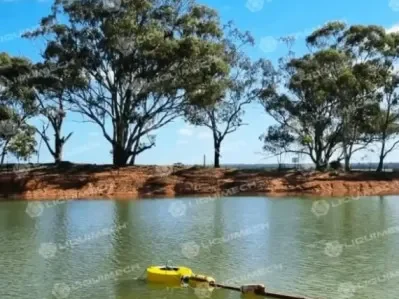
A floating suction system consists of a buoyant float connected to a suction inlet through a flexible hose. The float moves with changing water levels, allowing the intake to remain submerged at an appropriate depth above the reservoir or pond floor.
This arrangement enables pumps to draw water from relatively cleaner layers rather than directly from the bottom, where sediments are likely to accumulate.
For Kenya, where agricultural production and water supply in many areas depend on stored water, the technology could offer practical benefits in improving the operation of irrigation reservoirs, community water projects and industrial storage facilities.
One of its main advantages is the ability to maintain water extraction as storage levels fluctuate. During prolonged dry periods, reservoirs and water pans may experience declining levels, affecting the performance of conventional intake systems.
Floating suction devices adjust automatically to these changes, reducing the need for frequent manual repositioning. This flexibility could be useful in irrigation schemes and water storage facilities in arid and semi-arid counties, where seasonal changes influence water availability.
The technology may also help reduce operational costs by limiting the amount of sediment entering pumps. Sand and other abrasive materials can accelerate equipment wear, cause blockages and increase maintenance requirements.
By drawing water above the sediment layer, floating suction systems can reduce exposure to these materials, potentially extending the service life of pumps and associated equipment.
Some advanced systems also incorporate anti-vortex technology to minimise the formation of swirling water patterns that can introduce air into suction pipes. Air entering pumping systems can interfere with water flow and affect operational efficiency. Reducing this risk can support more stable pumping operations.
Environmental management is another potential benefit. Conventional bottom-level intakes can disturb accumulated sediments, increasing water turbidity and potentially affecting aquatic habitats. Floating suction systems help minimise this disturbance by maintaining a clearance between the intake and the reservoir floor.
The technology could also support irrigation efficiency in Kenya’s agricultural sector. Farmers using drip irrigation and other pressurised systems require relatively clean water to prevent sediment from blocking filters, pipes and irrigation emitters.
Floating suction devices can help reduce the sediment entering irrigation systems, although appropriate filtration remains necessary to protect the equipment and maintain water quality.
For water utilities and industries operating large storage facilities, the systems may provide an additional option for improving intake performance without necessarily replacing existing reservoirs or pumping infrastructure.
However, their effectiveness depends on proper installation, sufficient water depth, suitable float design and regular maintenance. They do not remove dissolved contaminants, bacteria or other pollutants, meaning conventional water treatment and filtration processes remain necessary where water is intended for domestic consumption.
As Kenya continues investing in irrigation infrastructure, water storage and improved water supply systems, technologies that enhance extraction efficiency and protect pumping equipment could contribute to more sustainable water management.
Floating suction devices therefore present a practical option for agricultural, industrial and selected water supply applications, particularly where changing storage levels and sediment accumulation affect conventional water intake systems.