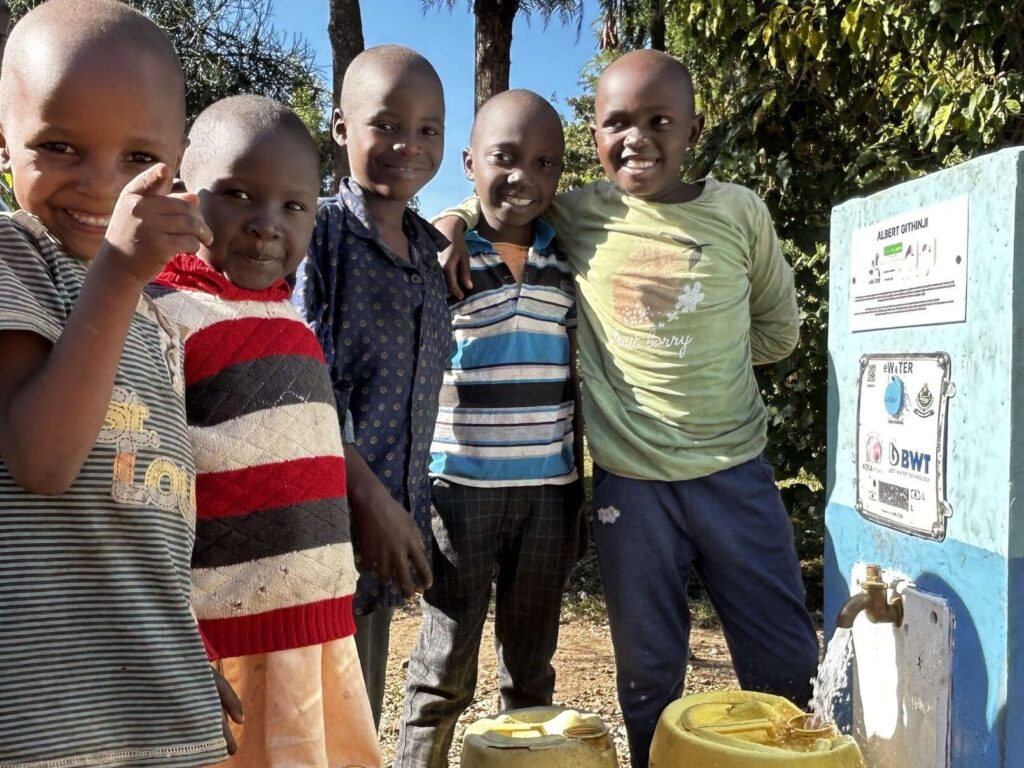
Residents of Kajire and Sagalla in Taita Taveta County are benefiting from a technology-driven water supply system that has significantly reduced the cost of accessing water while improving reliability in communities previously dependent on expensive and inconsistent sources. The project, which combines digital monitoring, solar energy and smart water dispensing technology, is introducing a new approach to rural water distribution.
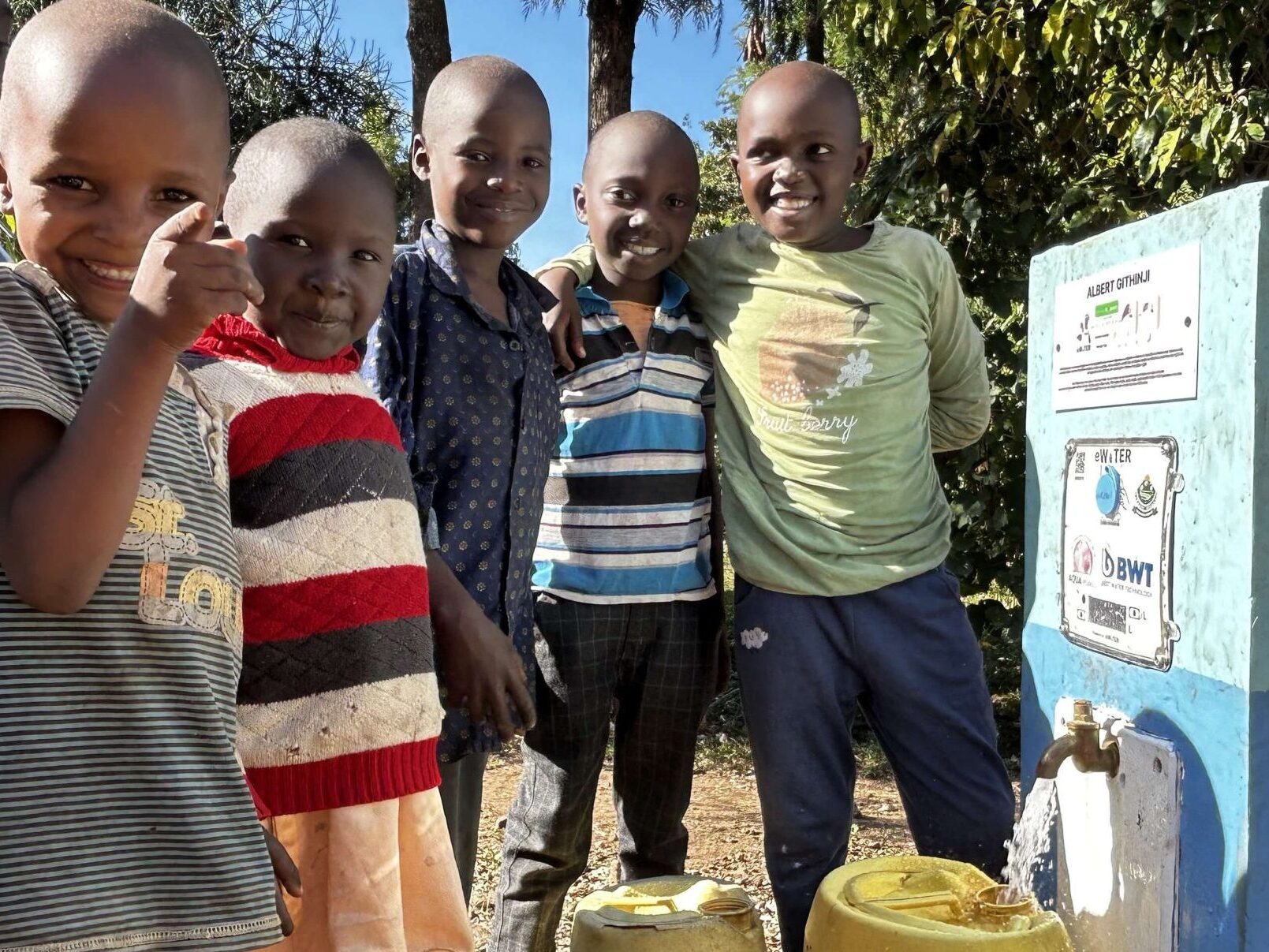
Launched on September 23, 2026, the initiative has installed 57 Internet of Things (IoT)-enabled smart water taps across the two communities. The network comprises 33 taps in Kajire and 24 in Sagalla, serving approximately 7,900 people, including 4,700 residents in Kajire and 3,200 in Sagalla.
One of the most significant changes has been the reduction in the price of water. Before the intervention, residents paid approximately KSh20 for a 20-litre container, but the new system has reduced the cost to KSh5. This represents a 75 per cent reduction, easing the financial burden on households that previously spent a substantial portion of their income securing water for domestic use.
The project also seeks to address the unreliable supply that has affected the two communities for years. Before its implementation, households reportedly received water once every nine days, forcing residents to depend on alternative sources that were often expensive or difficult to access. The introduction of the new distribution network is expected to improve the consistency of supply while reducing the distance residents travel to obtain water.
Water for the project is sourced from a solar-powered borehole in Sagalla and transported to the two communities through a 30-kilometre pipeline network. The system uses gravity to move water along the distribution route, reducing dependence on mechanical pumping and lowering the energy requirements associated with conventional water supply infrastructure. In-line chlorination has also been incorporated to treat the water before it reaches consumers.
The technology behind the project is designed to improve how water is distributed, measured and monitored. The smart taps use Internet-connected devices and digital metering, while the wider eWATER platform incorporates flow meters, communications boards and sensors that provide information on water system performance. This allows operators to monitor distribution remotely, identify operational problems and manage supplies more effectively.
The company has also worked with Nairobi-based Gearbox Europlacer to design and manufacture some of the electronic components used in its smart water systems. By incorporating locally developed technology into water infrastructure, the initiative demonstrates how Kenya’s technology sector can contribute to solving challenges in essential public services.
The Taita Taveta initiative is among the projects supported through the Financial Sector Deepening (FSD) Kenya County Green Preparation Facility, which helps counties prepare and finance environmentally sustainable investments. It brings together the county government, private-sector technology providers and development partners to expand access to water while introducing more efficient methods of operating rural supply systems.
The approach reflects a growing interest in using digital technology to improve water service delivery, particularly in rural and underserved areas where conventional infrastructure can be expensive to establish and maintain. Smart meters and remote monitoring systems can provide water operators with better information about consumption, distribution and operational performance, helping them make more informed decisions.
However, the long-term success of the model will depend on the reliability of the electronic equipment, maintenance arrangements and the availability of funds to operate the system. Regular water quality monitoring will also be necessary to ensure that the reduced cost of water does not compromise safety and treatment standards.
The county will further need to assess whether the technology can be expanded to other communities facing similar challenges. Its performance in Kajire and Sagalla could provide useful lessons on the cost, sustainability and effectiveness of combining smart dispensing systems with solar-powered boreholes and gravity-fed pipelines.
For Kenya’s water sector, the project offers an example of how digital technology can move beyond urban water utilities and improve services in rural communities. Its impact will ultimately be measured by whether households continue receiving affordable, safe and reliable water, and whether the technology can be sustained and replicated in other parts of the country.