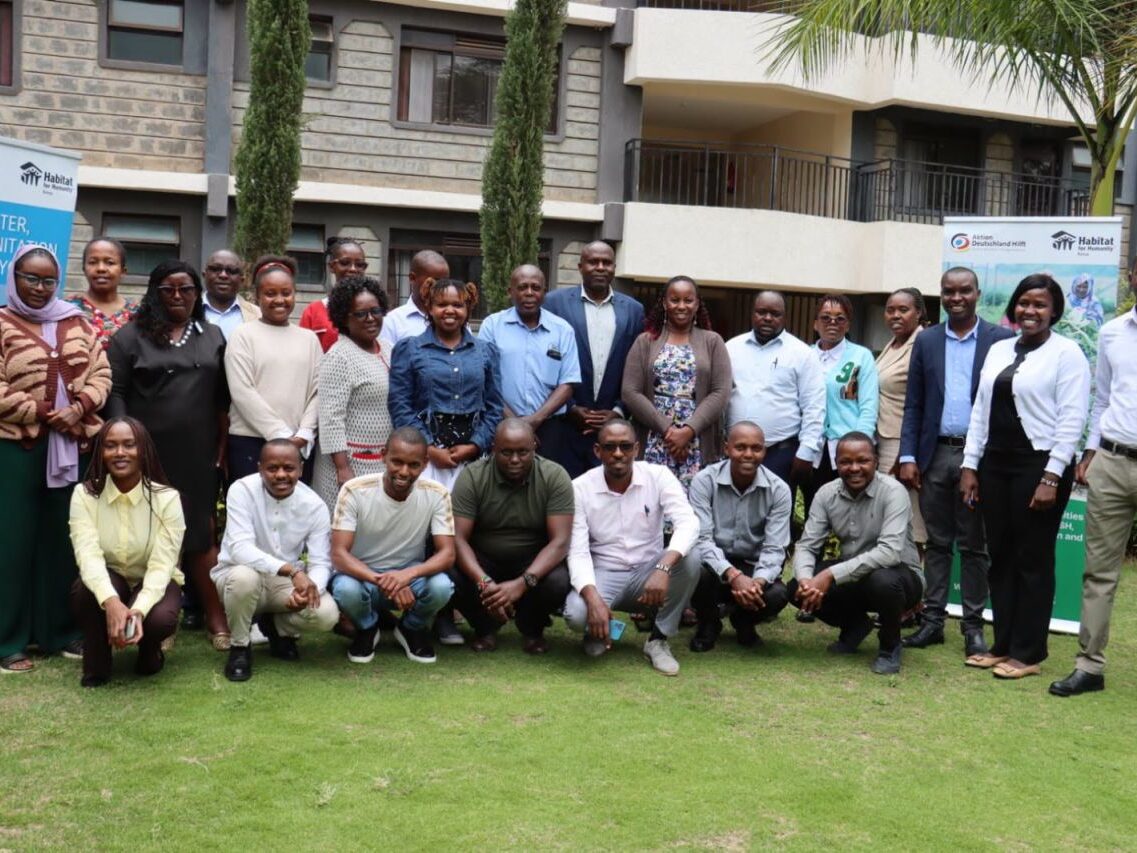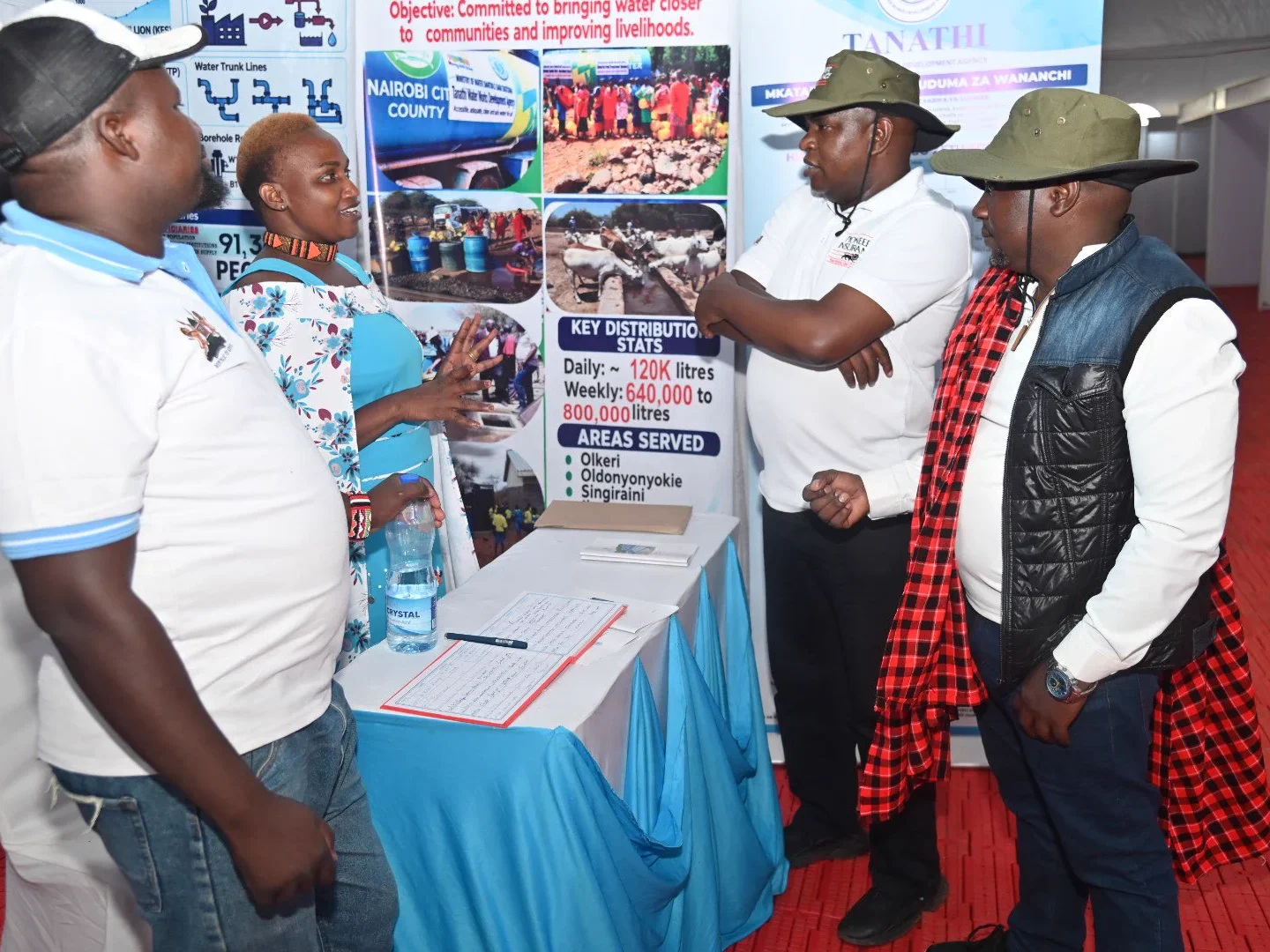
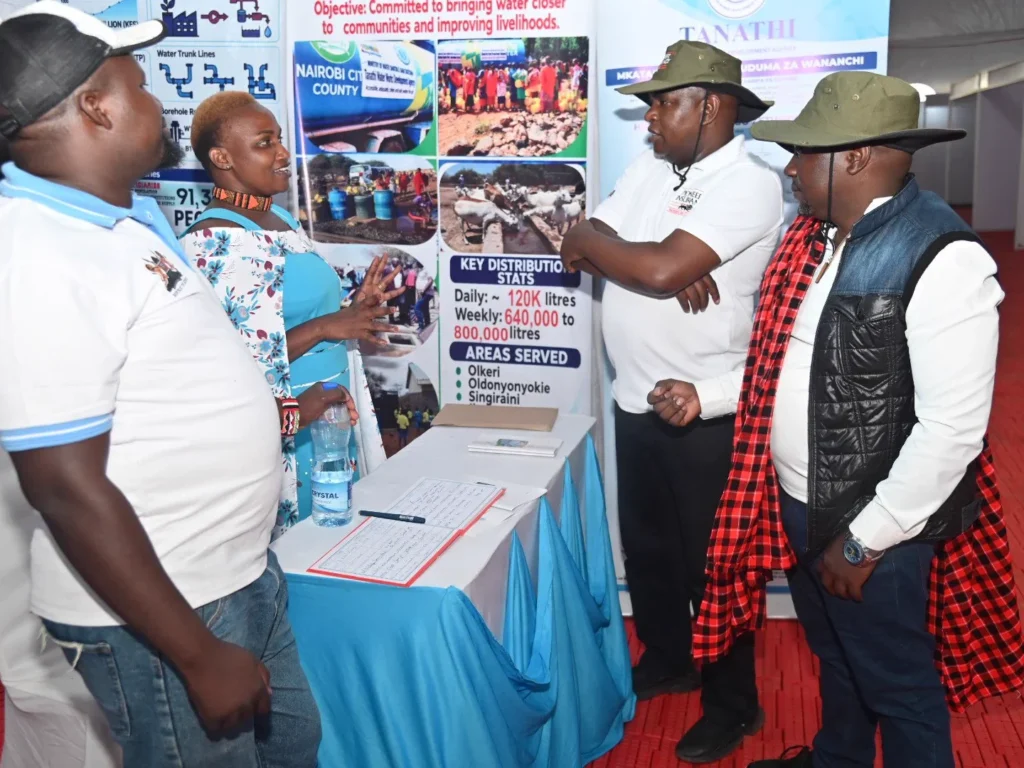
Tanathi Water Works Development Agency (TAWWDA) has taken its public participation activities to the 4th Maa Cultural and Tourism Festival in Narok County, seeking to strengthen community involvement in water and sanitation development as it pursues infrastructure investments across four counties.
The agency is using the five-day event, running from November 10 to 14 at Sekenani Gate in the Maasai Mara, to engage residents and stakeholders, raise awareness about its activities and collect views on water and sanitation development initiatives.
Through the engagement, TAWWDA aims to strengthen collaboration with communities and ensure their concerns and priorities are considered in the planning and implementation of water infrastructure projects.
The participation comes as the agency advances its 2023–2027 Strategic Plan, which targets increasing water coverage from 52 per cent to 70 per cent, urban sewerage coverage from 18 per cent to 40 per cent and sanitation coverage from 80 per cent to 89 per cent.
TAWWDA is responsible for developing, maintaining and managing national public water and sewerage infrastructure in Kitui, Machakos, Makueni and Kajiado counties.
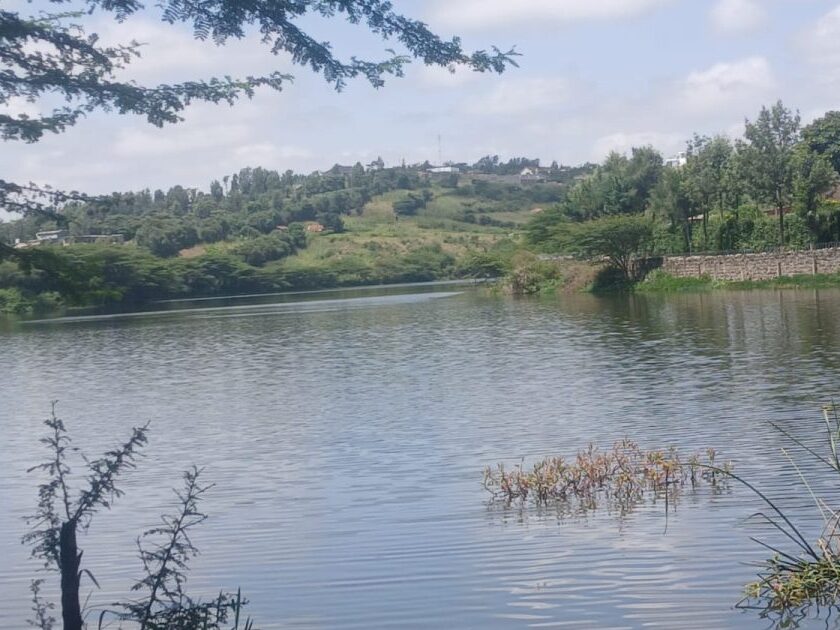
Among its major investments is the Machakos Water Supply Project, valued at KSh1.266 billion and jointly funded by the Government of Kenya and the African Development Bank. The project is designed to provide sustainable water services to approximately 250,000 residents in Machakos Town and surrounding areas.
Its components include construction of the Miwongoni embankment, raw water pipelines, treatment facilities and storage tanks, alongside rehabilitation of existing water infrastructure.
The agency is also implementing sewerage investments targeting growing urban centres. Its strategic plan includes the proposed construction of sewerage facilities for Namanga, Maili Tisa and Bisil, with a combined treatment capacity of 3,000 cubic metres per day.
Another planned investment involves new wastewater treatment facilities serving Athi River, Mavoko, Mlolongo and Kitengela, with a proposed capacity of 38,000 cubic metres per day.
These investments come against a wider national challenge of expanding access to reliable water and sanitation services. The Water Services Regulatory Board’s 2023/24 sector performance report found that approximately 41 per cent of Kenyans lived outside the coverage of regulated water service providers.
Public participation therefore provides an important opportunity for communities to contribute to decisions affecting infrastructure priorities, service delivery and access to essential services.
TAWWDA’s engagement at the cultural festival reflects the importance of combining infrastructure development with stakeholder consultation and public awareness as the country works towards universal access to safe water and sanitation.