Kenya is facing renewed flood risks as the October–December 2026 rainy season gathers momentum, raising questions about the country’s preparedness to manage heavy rainfall, protect vulnerable communities and prevent damage to water and sanitation infrastructure. The increasing rainfall outlook has placed pressure on national and county governments to strengthen disaster preparedness, improve drainage systems and protect essential infrastructure against flooding.
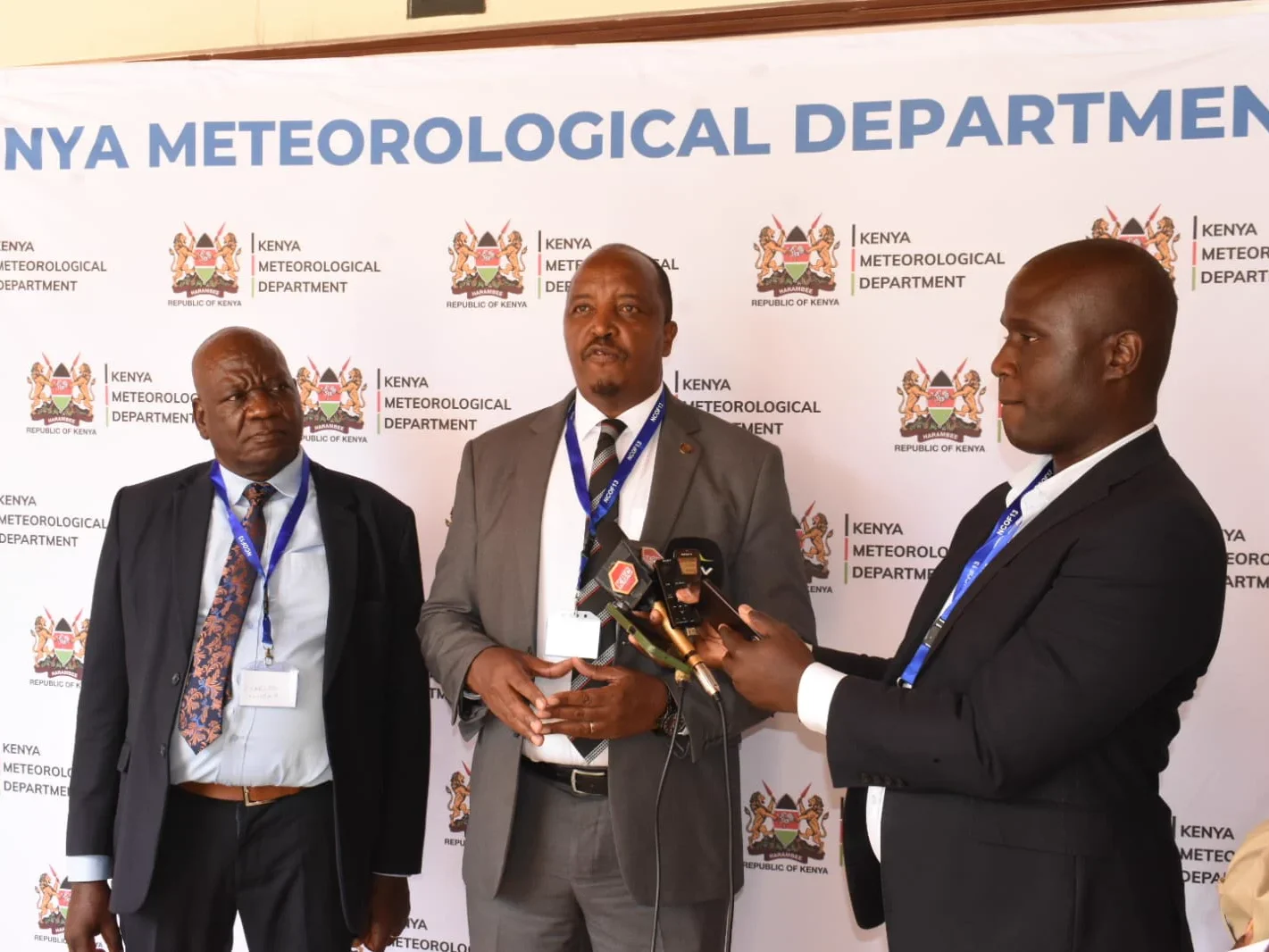
The Kenya Meteorological Department has forecast above-average rainfall across 43 counties during the October–December short rains season, with parts of West Pokot, Samburu and Marsabit also expected to experience near-average to above-average rainfall. Nairobi, Kiambu, Nakuru, Machakos, Mombasa, Kisumu, Garissa and Meru are among the areas expected to receive enhanced rainfall, increasing the need for preparedness in both urban and rural communities.
In its November monthly forecast, the department warned that increased rainfall could trigger flash floods, landslides and disruptions to transport, agriculture and other economic activities. The forecast comes amid concerns over the impact of El Niño conditions on regional rainfall patterns, with November projected to be a particularly wet month.
The Kenya National Disaster Operations Centre has warned that approximately 1.5 million people could be affected by flooding, urging residents in vulnerable locations to consider moving to safer ground. The warning highlights the scale of potential exposure, particularly in settlements located near rivers, low-lying areas and flood-prone urban neighbourhoods.
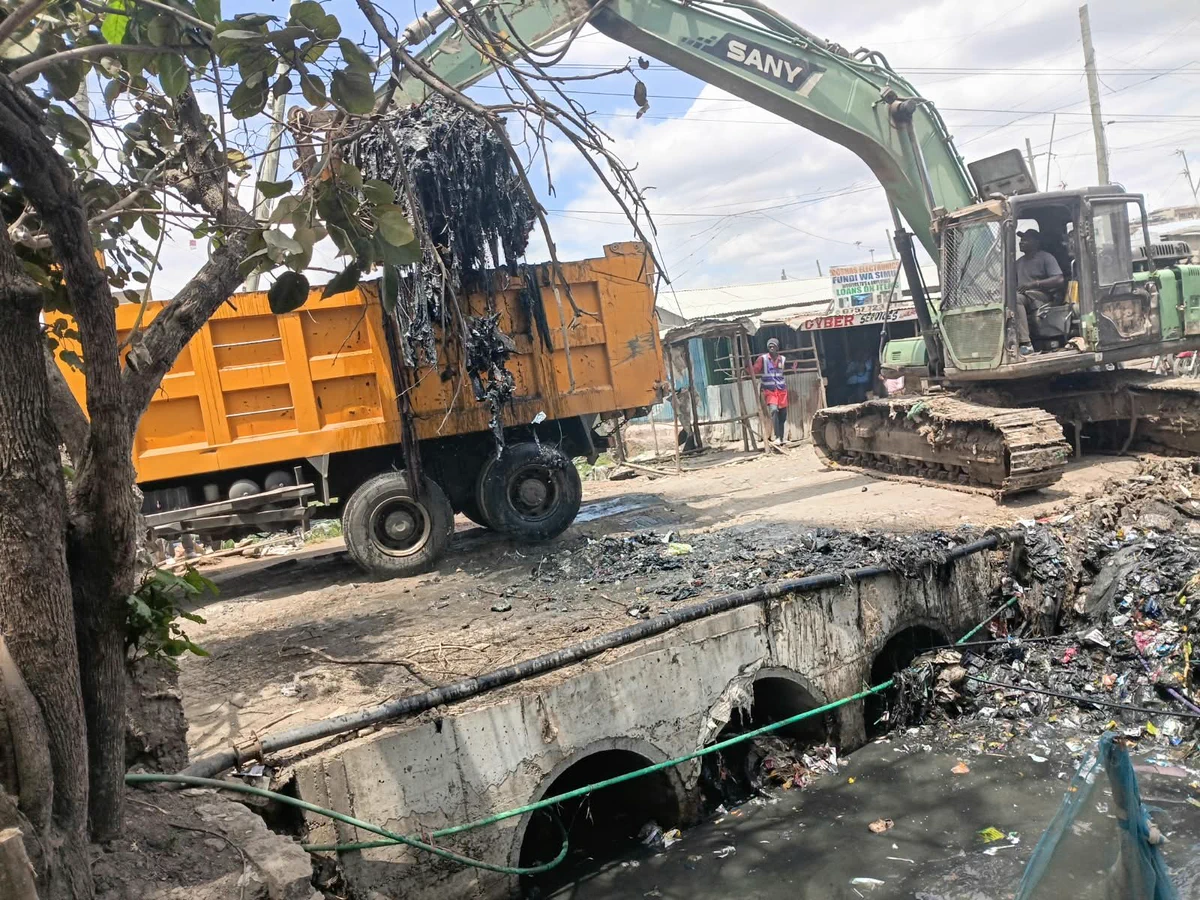
In Nairobi, preparations have included clearing drainage systems, cleaning rivers and removing structures along river corridors to reduce exposure to flooding. Nairobi County has also identified approximately 172 potential shelters where residents could receive temporary accommodation, food and medical assistance during emergencies, while plans to work with Safaricom aim to improve the delivery of emergency alerts and information to residents.
However, the country’s flood vulnerability extends beyond the amount of rainfall received, with poor urban planning, encroachment on wetlands, construction along riverbanks and inadequate drainage systems increasing exposure in several settlements. These challenges are particularly evident in rapidly expanding urban areas where infrastructure development has struggled to keep pace with population growth and settlement expansion.
The effects of flooding also extend to the water and sanitation sector, where heavy runoff can carry sewage, solid waste and other pollutants into rivers and water sources. This increases the risk of contamination, raises water treatment costs and threatens public health, while damage to pipelines, pumping stations and sewerage infrastructure can interrupt essential services.
For water utilities, the rainy season presents the additional challenge of protecting treatment facilities and distribution networks while maintaining water quality during periods of increased runoff. Flooding around water treatment plants and sanitation facilities can also complicate operations, particularly where drainage infrastructure is inadequate or waste management systems are overwhelmed.
The situation raises questions about whether existing investments in drainage, stormwater harvesting, river rehabilitation and flood-control infrastructure are sufficient to protect rapidly expanding urban areas. Although Kenya continues to invest in water and sanitation infrastructure, greater attention to stormwater management could help reduce flood damage while creating opportunities to capture rainfall for future use.
Stormwater harvesting, detention ponds, restored wetlands and properly maintained drainage channels are among the measures that can help cities manage excess rainfall. Such interventions can slow the movement of runoff, reduce pressure on drainage systems and provide opportunities to store water for use during drier periods.
The current rainy season therefore presents an opportunity for national and county governments to assess the effectiveness of disaster preparedness measures and strengthen long-term climate resilience. As rainfall intensifies, the challenge will not only be responding to floods after they occur but also ensuring that urban infrastructure, settlements and water systems are better prepared to withstand extreme weather conditions.