










Kenya is seeking to strengthen investment in climate-resilient water infrastructure as increasingly unpredictable rainfall, prolonged droughts and flooding expose the country’s water systems to growing climate risks.
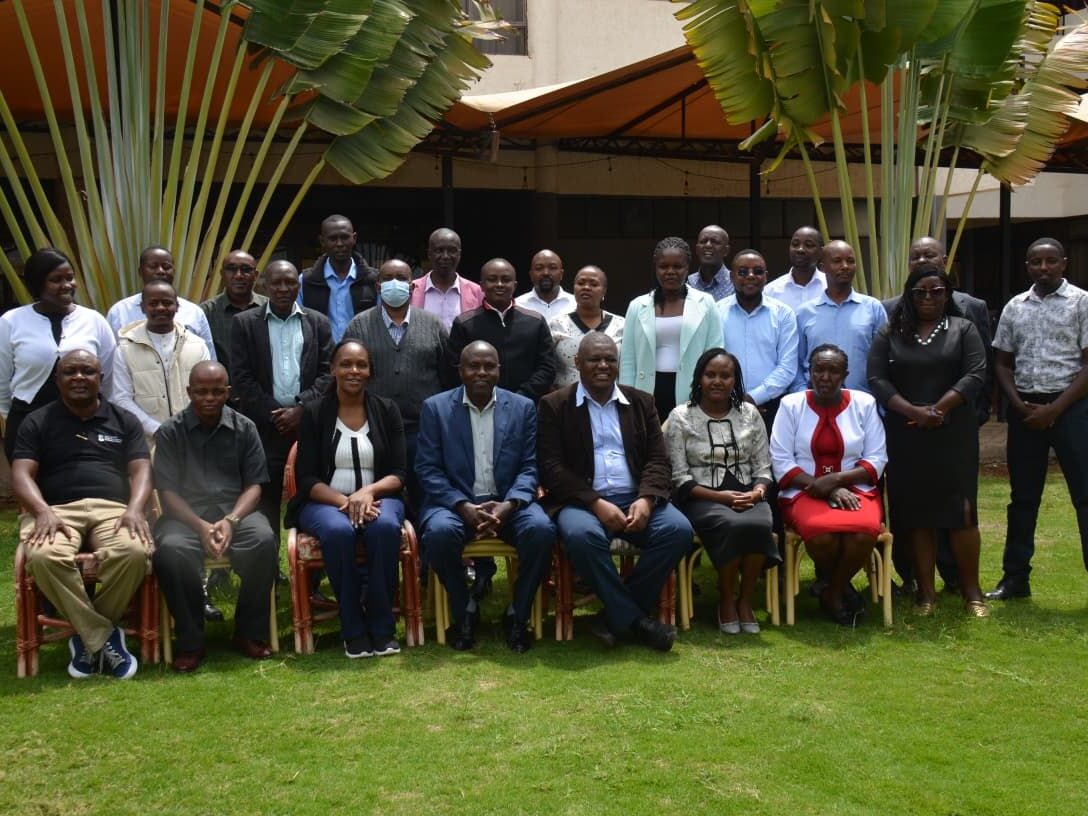
The need to mobilise climate financing featured in discussions on the second day of a high-level water financing conference, which brought together development partners, Parliament and the Ministry of Water, Sanitation and Irrigation to explore innovative funding models and strengthen existing financing frameworks.
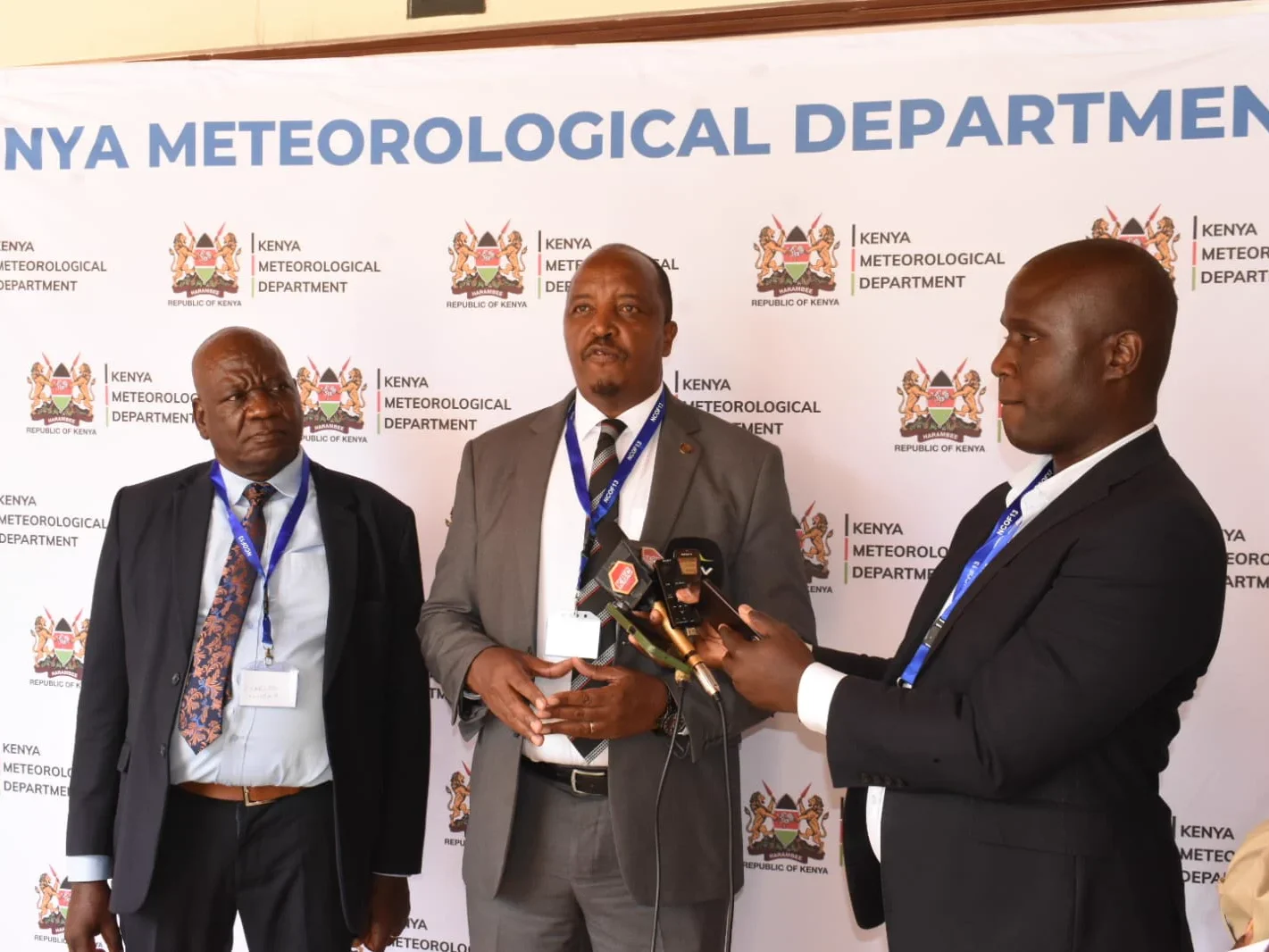
The National Water Harvesting and Storage Authority (NWHSA) was represented by Chief Executive Officer Eng. Julius Mugun and Ms Nancy Rotich, representing the Authority’s management, in discussions focusing on sustainable financing for water, sanitation and irrigation.
For NWHSA, the discussions provide an opportunity to advance investment in water harvesting and storage infrastructure while ensuring that new projects are designed to withstand changing weather conditions and secure reliable supplies for communities, agriculture and other economic activities.
Kenya’s vulnerability to climate change has increased the importance of investing in infrastructure that can manage both water shortages and excess rainfall. Prolonged dry periods put pressure on rivers, dams and groundwater sources, while intense rainfall can cause flooding, damage infrastructure and result in significant water losses where adequate storage facilities are lacking.
The country’s National Climate Change Action Plan 2023–2027 identifies climate-proofed water infrastructure as a priority for improving water security. It calls for the development of large and small dams, water pans and underground reservoirs, alongside catchment protection, groundwater development and improved water resources monitoring.
The plan also sets out an ambition to increase national water storage capacity from 4,136 million cubic metres to 13,177 million cubic metres for domestic use. It further identifies the construction of water harvesting facilities in arid and semi-arid areas, including thousands of water pans and additional infrastructure to support irrigation.
These interventions are intended to improve the country’s capacity to retain water during rainy periods and make it available during droughts, particularly in communities that depend heavily on seasonal rainfall.
However, delivering climate-resilient infrastructure requires more than conventional construction funding. Projects must incorporate climate-risk assessments, appropriate engineering standards, catchment conservation and long-term maintenance arrangements to ensure that investments remain functional under changing weather conditions.
Kenya’s climate financing requirements also highlight the scale of the challenge. An analysis published by the Institute of Public Finance in June 2026 cited an estimated annual adaptation financing requirement of KSh468.5 billion under the country’s climate commitments, with only 10 per cent expected from domestic government resources.
The National Treasury’s Disaster Risk Financing Strategy 2026–2030 also identifies the need to increase investment in disaster prevention and preparedness, including infrastructure that reduces exposure to floods and droughts. It highlights the importance of combining public resources with international support and private-sector participation to strengthen resilience.
For the water sector, climate financing could support dam development, rehabilitation of existing storage facilities, flood-control infrastructure, groundwater recharge, rainwater harvesting and protection of water catchment areas.
Such investments would also have wider economic benefits. Reliable water storage can support irrigation, protect agricultural production during dry periods, improve access to domestic water and reduce the disruption of economic activities caused by extreme weather.
As discussions on sustainable water financing continue, the challenge for Kenya will be to translate climate commitments into practical investments that protect water resources and infrastructure while improving the reliability of supplies.
NWHSA’s participation in the conference underscores the importance of positioning water harvesting and storage infrastructure within the country’s broader climate adaptation agenda, ensuring that future investments contribute to long-term water security and resilience.