





The Tana and Athi Rivers Development Authority (TARDA) is seeking stronger collaboration among national and county institutions to protect water resources and restore degraded ecosystems in the Upper Athi River Basin as climate change and environmental pressures threaten water security.
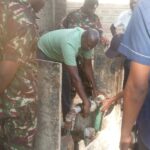
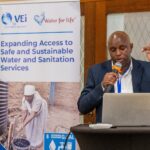
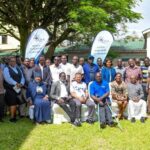
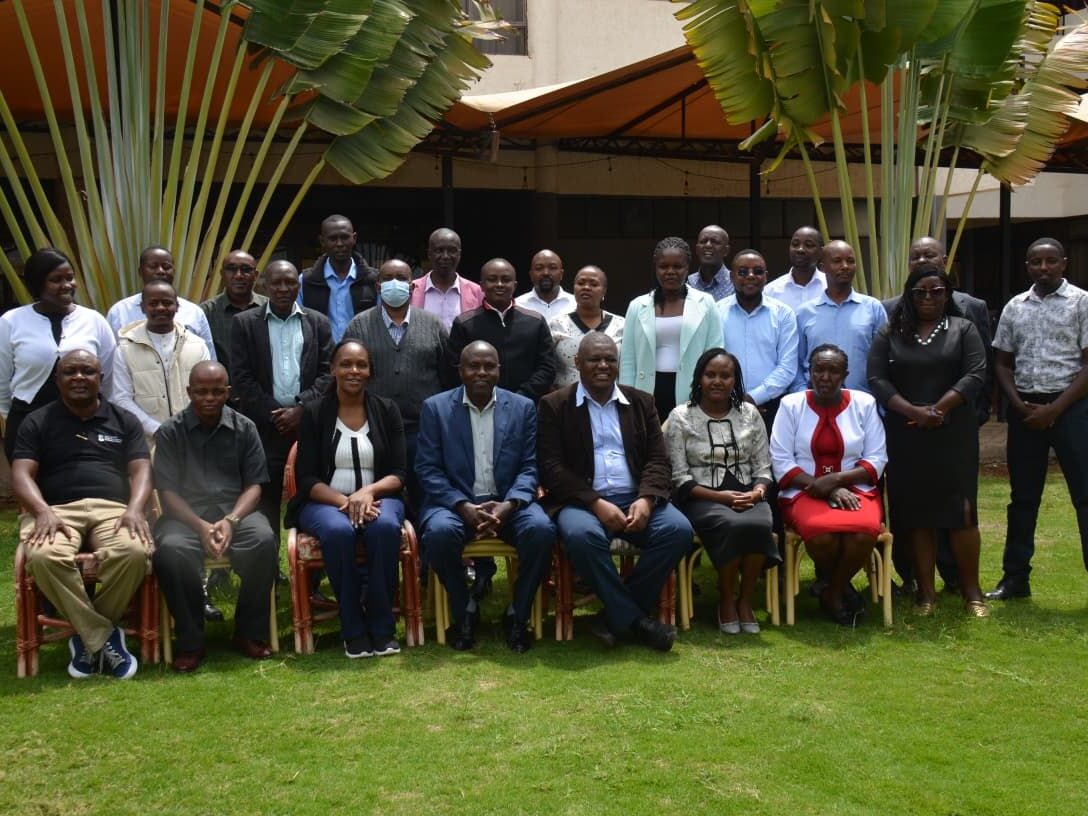
The authority presented its ongoing catchment management interventions and proposed areas of collaboration during the Machakos County State of Environment (SOE) Preparation Workshop convened by the National Environment Management Authority (NEMA) on November 12, 2026, in Machakos.
The meeting brought together government agencies and other stakeholders to discuss environmental planning, resource management and climate resilience in the Upper Athi River Catchment.
During the engagement, TARDA outlined its mandate and ongoing activities across the Athi Basin, highlighting the need for coordinated interventions to address declining water resources, environmental degradation and increasing pressure on river ecosystems.
A key focus was the Upper Athi River Catchment Area (ARCA) Project, a Green Climate Fund-supported initiative designed to strengthen community resilience and improve water security through climate-resilient infrastructure, ecosystem conservation and improved hydrological and meteorological monitoring.
The project covers Machakos, Kiambu, Nairobi and Nyandarua counties and is being implemented under the coordination of NEMA, with the Water Resources Authority (WRA) and Kenya Meteorological Department (KMD) serving as executing institutions.
The initiative has approximately US$10 million in Green Climate Fund financing and targets improved climate resilience and water security for communities across the catchment.
Its interventions include strengthening hydrological and weather monitoring systems, developing and rehabilitating water infrastructure, supporting catchment conservation and improving institutional capacity for climate adaptation and water resources management.
TARDA also highlighted the Integrated Athi Basin Plan as an important framework for coordinating investments and aligning water and environmental interventions across the basin.
The plan seeks to address interconnected challenges affecting water availability, agriculture, ecosystem health and community livelihoods through integrated management of water resources.
The authority identified several areas where institutions could work together, including water harvesting infrastructure, river and riparian restoration, catchment conservation, climate-smart agriculture and community-based resilience programmes.
These interventions are important because activities taking place upstream can influence water availability, river quality and environmental conditions downstream. Degradation in one section of a river system can therefore affect communities and economic activities across several counties.
The Athi River Basin faces multiple pressures, including pollution, soil erosion, riparian encroachment, sedimentation and declining river flows. Increasing demand for water from households, industries and agricultural activities has also placed pressure on available resources.
TARDA’s earlier basin assessment identified these challenges across the Upper and Middle Athi River Basin, highlighting the need for coordinated planning and stronger protection of critical water infrastructure and catchment areas.
The authority’s participation in the Machakos workshop reflects the importance of aligning county environmental plans with wider basin development priorities, particularly where rivers and catchments extend beyond administrative boundaries.
The ARCA Project is expected to benefit approximately 1.16 million people directly and about 4.85 million indirectly through improved water security and climate resilience.
For Machakos County, the initiative presents opportunities to strengthen water storage, improve river catchment protection and support communities whose livelihoods depend on reliable water supplies.
The discussions also highlighted the importance of sharing environmental information, strengthening institutional coordination and involving communities in protecting natural resources.
As climate variability continues to affect rainfall patterns and water availability, integrated catchment management is increasingly important in ensuring that water resources remain available for households, agriculture and economic development.
TARDA’s proposed contribution to the Upper Athi catchment programme is expected to support broader efforts to coordinate water infrastructure development, restore ecosystems and strengthen the resilience of communities across the basin.