Growing competition for water in Kenya’s Ewaso Ng’iro River and Lake Naivasha basins is exposing weaknesses in water governance, allocation and enforcement, with local communities calling for stronger institutions and more inclusive management of the country’s water resources.
The increasing demand from agriculture, settlements, industries, livestock and environmental conservation, combined with changing rainfall patterns, is putting pressure on water sources that support thousands of households and economic activities.
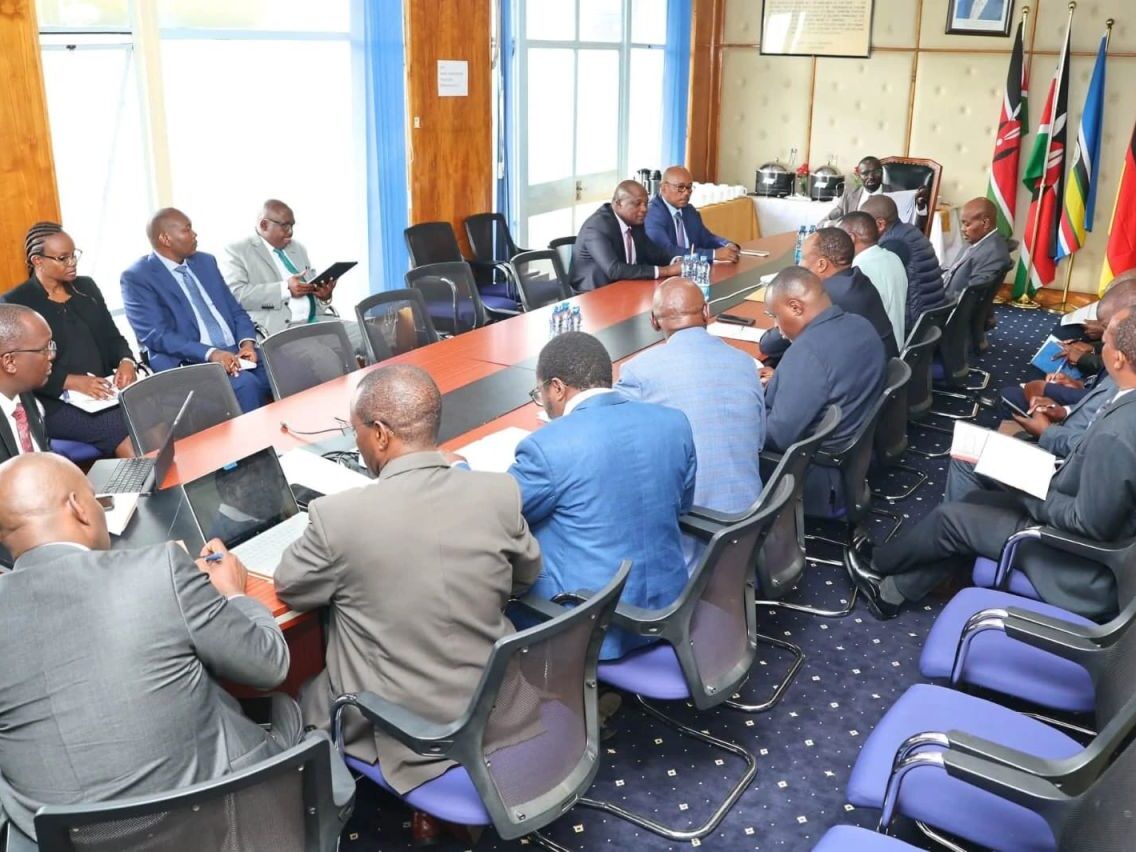
Stakeholder consultations conducted by the International Water Management Institute (IWMI) in March 2026 revealed that despite existing water management policies and regulations, gaps in enforcement, lengthy permit processes and inadequate institutional capacity continue to undermine sustainable water use.
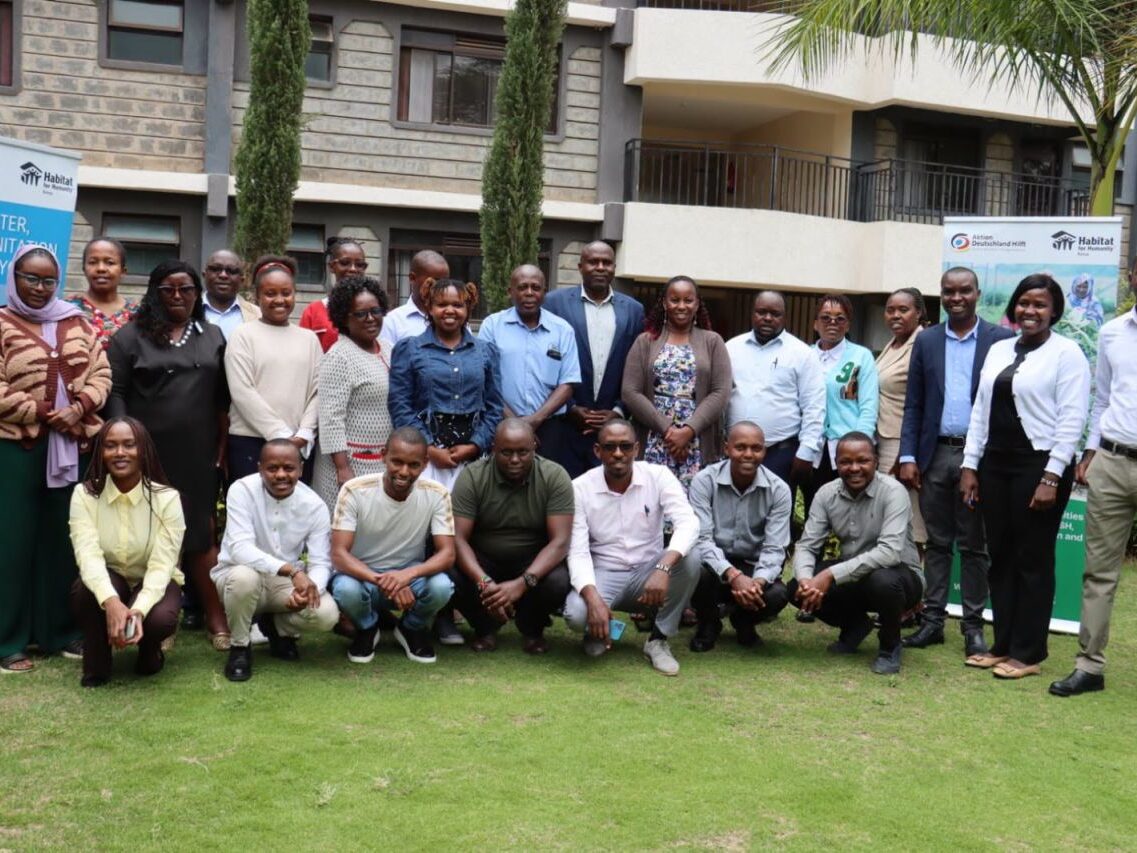
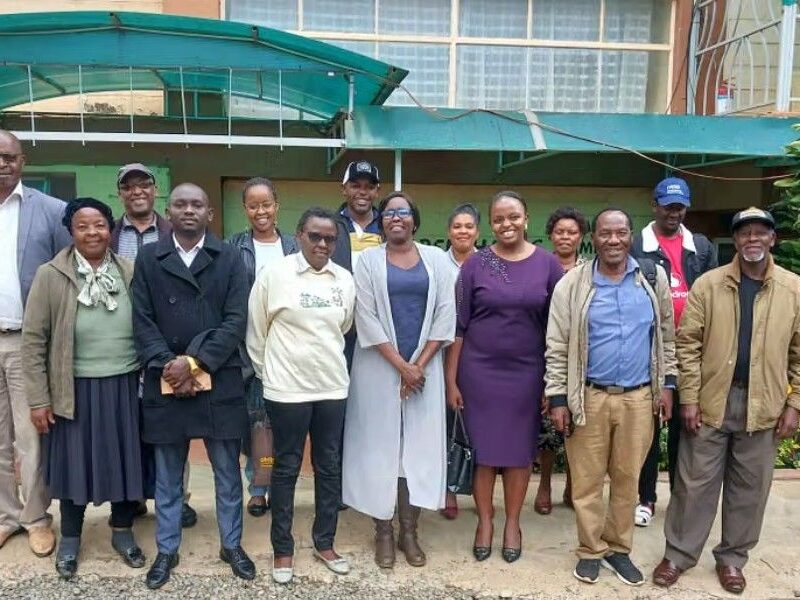
The consultations brought together farmers, Water Resources Users Associations (WRUAs), traders, conservationists, government representatives and other stakeholders to examine challenges affecting water availability and distribution in the two basins.
In the Ewaso Ng’iro basin, which covers approximately 210,000 square kilometres and supports agriculture, livestock production and wildlife, stakeholders raised concerns about the growing number of water abstraction points along rivers and the difficulties of regulating their use.
John Maina, chairman of Ontulli River Water Users Association, highlighted the pressure created by numerous water intakes along a relatively short stretch of river, proposing that users consider consolidating the infrastructure into fewer centralised abstraction points.
He noted that 64 water intakes along a 17-kilometre stretch of river demonstrated the extent of pressure on the resource, suggesting that combining them into two or three centralised facilities could improve regulation and reduce competition among users.
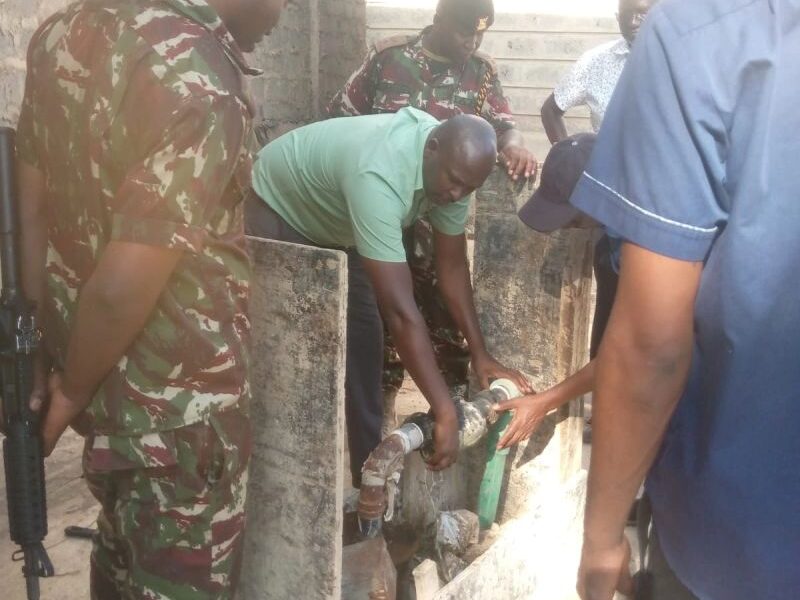
Weak enforcement of water regulations was another concern raised during the consultations. Julius Kirinya, chairman of Likii River Water Users Association, questioned the effectiveness of existing rules, observing that illegal water infrastructure seized by authorities was sometimes returned to offenders within weeks.
The concerns point to a wider challenge facing water resource management in Kenya, where the existence of regulations does not always translate into effective compliance, particularly where enforcement institutions have limited resources and operational capacity.
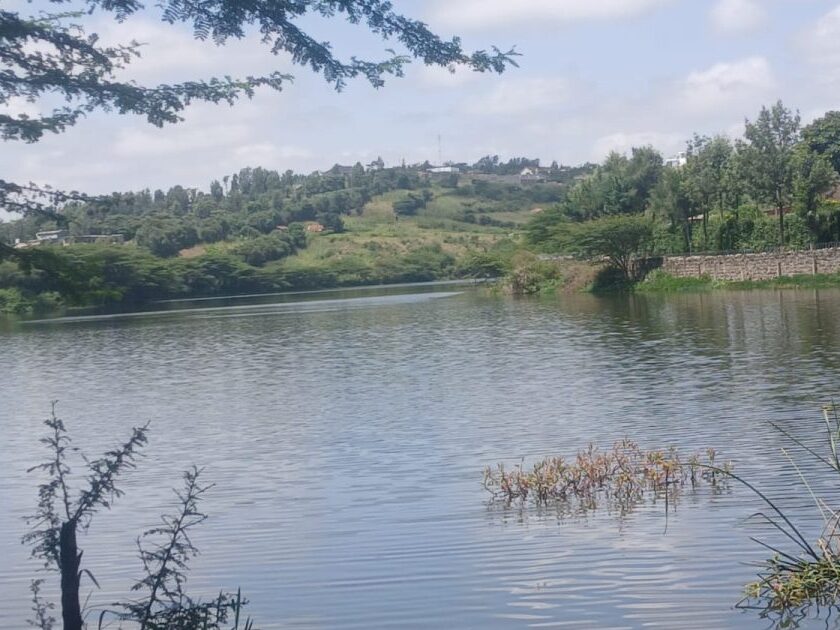
In the Lake Naivasha basin, competing demands from horticultural farms, industries, settlements, tourism and conservation are creating additional pressure on water allocation.
Silas Ojala of the Lake Naivasha Riparian Association raised concerns about how water is distributed among different economic users, warning that prioritising new industrial demands over horticultural production could expose farms to supply shortages.
Stakeholders also questioned delays in processing water-use permits, with some reporting waiting periods of up to five years. Such delays can affect investment decisions, agricultural production and the ability of businesses to plan around available water resources.
The consultations further highlighted concerns about public participation in water-use charges, with stakeholders questioning whether views presented during consultations were adequately reflected in subsequent government decisions.
Beyond governance and regulation, communities identified practical interventions that could improve water availability and strengthen resilience during periods of prolonged drought.
In the Ngusishi catchment, stakeholders proposed properly designed water pans to improve water storage and availability during dry periods. Affordable drip irrigation systems and simple rainwater harvesting technologies were also identified as potential solutions for smallholder farmers facing unreliable rainfall.
Strengthening Water Resources Users Associations emerged as another important priority. These community-based institutions play a significant role in coordinating water users, promoting responsible abstraction and supporting the implementation of catchment management plans.
However, many associations face financial and technical limitations, including inadequate equipment, training and enforcement capacity. Improving their operational capacity could strengthen collaboration between communities and government institutions responsible for managing water resources.
The consultations also underscored the relationship between catchment protection and long-term water security. Forest degradation, soil erosion and destruction of riverbanks reduce the capacity of landscapes to retain rainfall, increasing surface runoff and flood risks while contributing to reduced water availability during dry seasons.
Community-led tree planting, riverbank restoration and improved land management were therefore identified as important interventions for protecting water sources and sustaining river flows.
IWMI’s findings point to the need for Kenya to move beyond developing additional water infrastructure and place greater emphasis on how existing resources are governed, allocated and protected.
Achieving sustainable water security will require stronger regulatory enforcement, transparent allocation decisions, better-supported community institutions and increased investment in water harvesting, efficient irrigation and catchment restoration.
The experience of the Ewaso Ng’iro and Lake Naivasha basins demonstrates that securing water for households, agriculture and ecosystems requires more than increasing supply. It also depends on ensuring that competing users participate in decisions and that water resources are managed fairly and sustainably.
The findings reinforce the importance of connecting community knowledge with institutional action and investment to build resilient river basins amid growing demand and climate uncertainty.