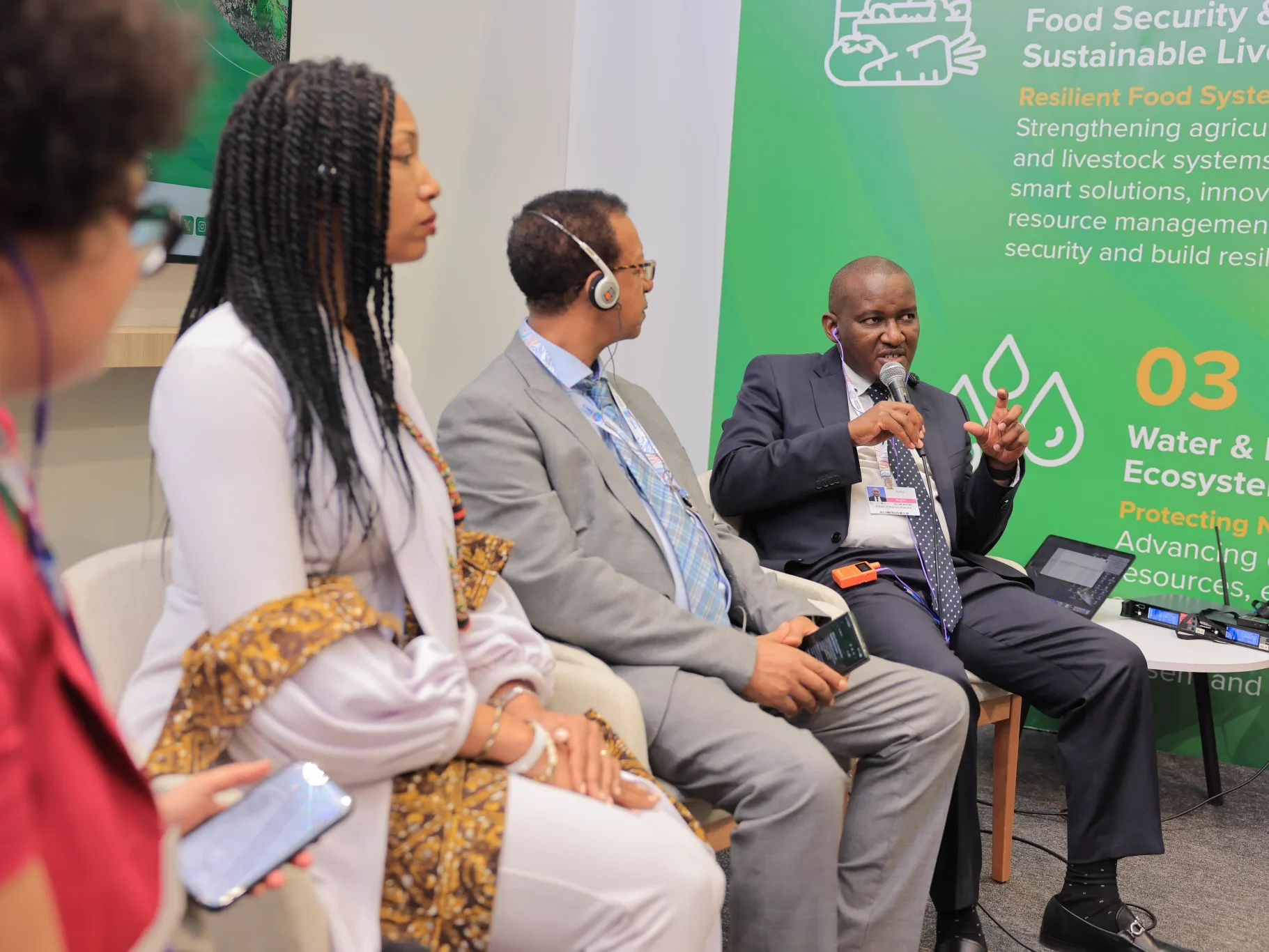
Principal Secretary for Irrigation CPA Ephantus Kimotho /Photo
The Government is strengthening school-based agricultural production through the commissioning of the Kangalu Mixed Secondary School Micro Irrigation Project in Mulango, Kitui Central, as part of efforts to promote food security, practical agricultural education and efficient use of water resources.
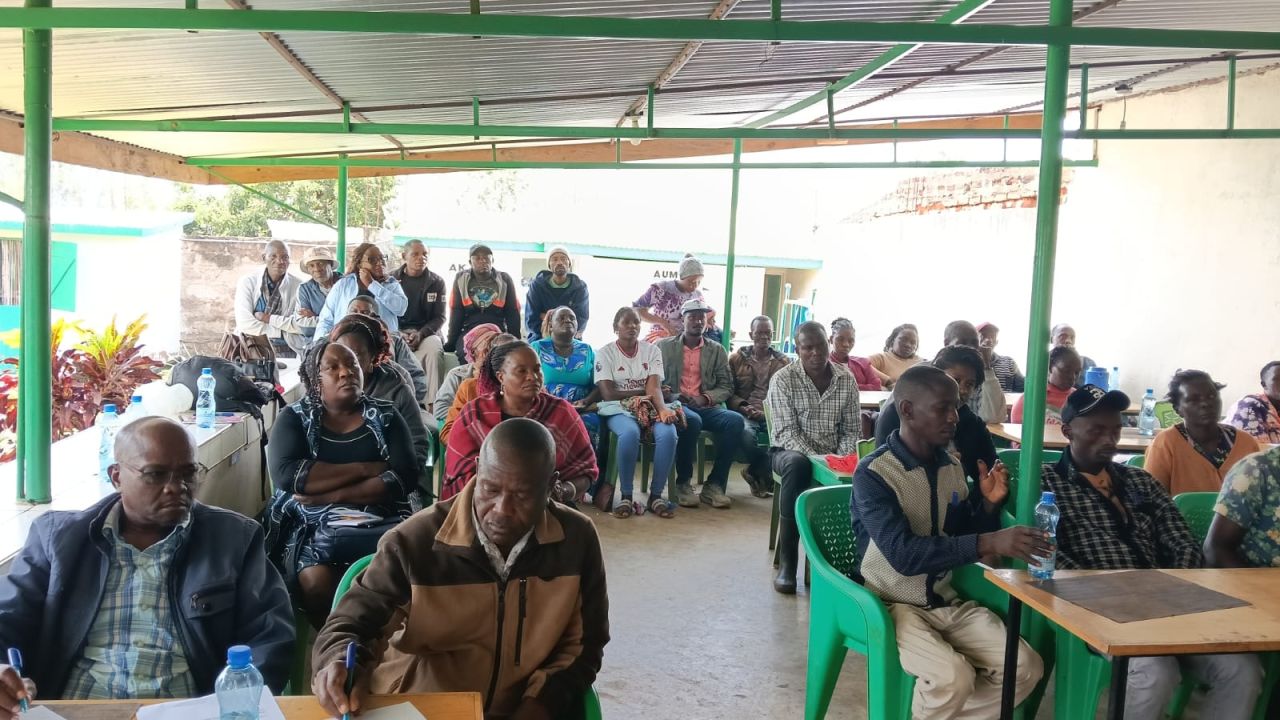
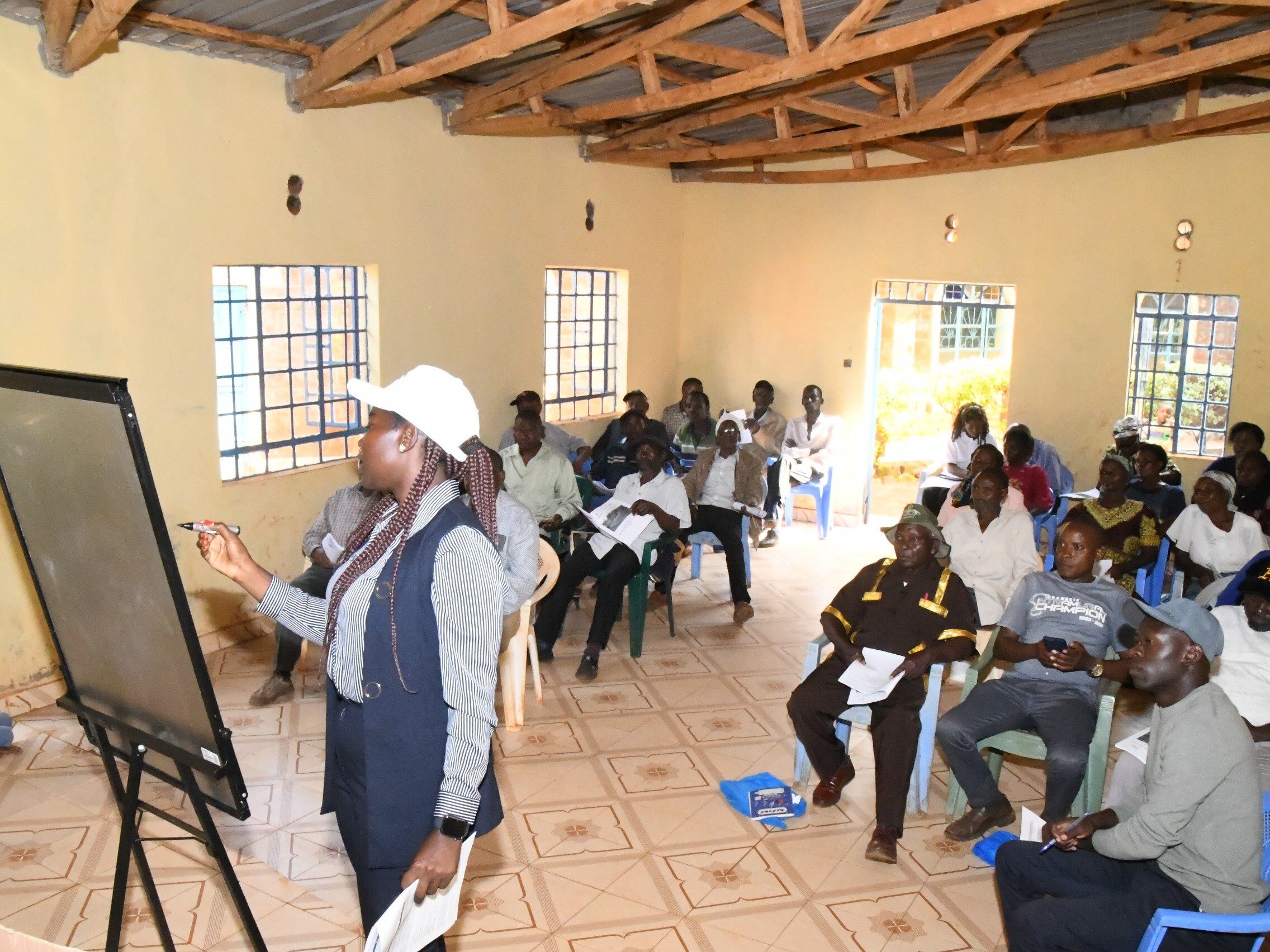
Principal Secretary for Irrigation CPA Ephantus Kimotho and Principal Secretary for Livestock Development Jonathan Mueke are leading the commissioning activities at the school today, November 20, 2026, bringing together national government officials, Kitui County leaders and other stakeholders.
The commissioning follows engagements between Kimotho and Kitui County leaders aimed at coordinating the implementation of the project and strengthening collaboration between national and local authorities in advancing irrigation development.
The initiative falls under the State Department for Irrigation’s Micro-Irrigation for Schools Programme, which seeks to introduce modern agricultural technologies in public learning institutions while helping schools establish more reliable food production systems.
The programme aims to make agricultural education more practical by providing learning institutions with irrigation infrastructure that allows students to participate in crop production, understand efficient water management and acquire skills that can be applied in future farming enterprises.
The national programme targets 2,000 public schools across the country. Its implementation model has included investments in water infrastructure such as boreholes, solar-powered pumping systems, elevated storage tanks, greenhouses and drip irrigation equipment.
Some participating institutions have also benefited from water kiosks and handwashing facilities, extending the benefits of the infrastructure to hygiene and surrounding communities.
The Kangalu project is particularly significant for Kitui County, where unreliable rainfall and prolonged dry spells frequently affect agricultural production. Many farming households depend on rain-fed agriculture, making crop production vulnerable to changing weather patterns and water shortages.
Through micro-irrigation, schools can demonstrate how available water resources can be used more efficiently to sustain crop production. Drip irrigation, for instance, delivers controlled quantities of water directly to crops, reducing unnecessary losses and supporting better water management.
The project also provides an opportunity to strengthen agricultural learning by exposing students to practical farming techniques, irrigation management and modern approaches to food production.
By integrating irrigation infrastructure into school activities, the government seeks to encourage young people to appreciate agriculture as an important economic activity while equipping them with skills relevant to Kenya’s changing agricultural sector.
The involvement of the State Department for Livestock Development in the commissioning also highlights opportunities for linking crop production with livestock development and broader agricultural value chains.
The project is supported by a government development allocation of approximately KSh14.03 million in the 2025/2026 Supplementary Development Estimates, highlighting public investment in expanding irrigation infrastructure within learning institutions.
Beyond supporting food production at the school, the initiative contributes to the government’s wider ambition of expanding irrigated agriculture and reducing the country’s dependence on rainfall.
Kenya’s National Irrigation Sector Investment Plan targets an additional one million acres under irrigation within ten years, drawing on the country’s estimated irrigation potential of approximately 3.5 million acres.
Achieving this ambition requires investment in water storage, efficient irrigation technologies, infrastructure development and capacity building among farmers and future agricultural professionals.
The commissioning of the Kangalu project therefore places schools within the wider national strategy to promote climate-smart agriculture, improve food security and strengthen the efficient use of water resources.
The engagement with Kitui leaders also demonstrates the importance of cooperation between national government agencies, county administrations and local institutions in delivering irrigation projects that respond to community needs.