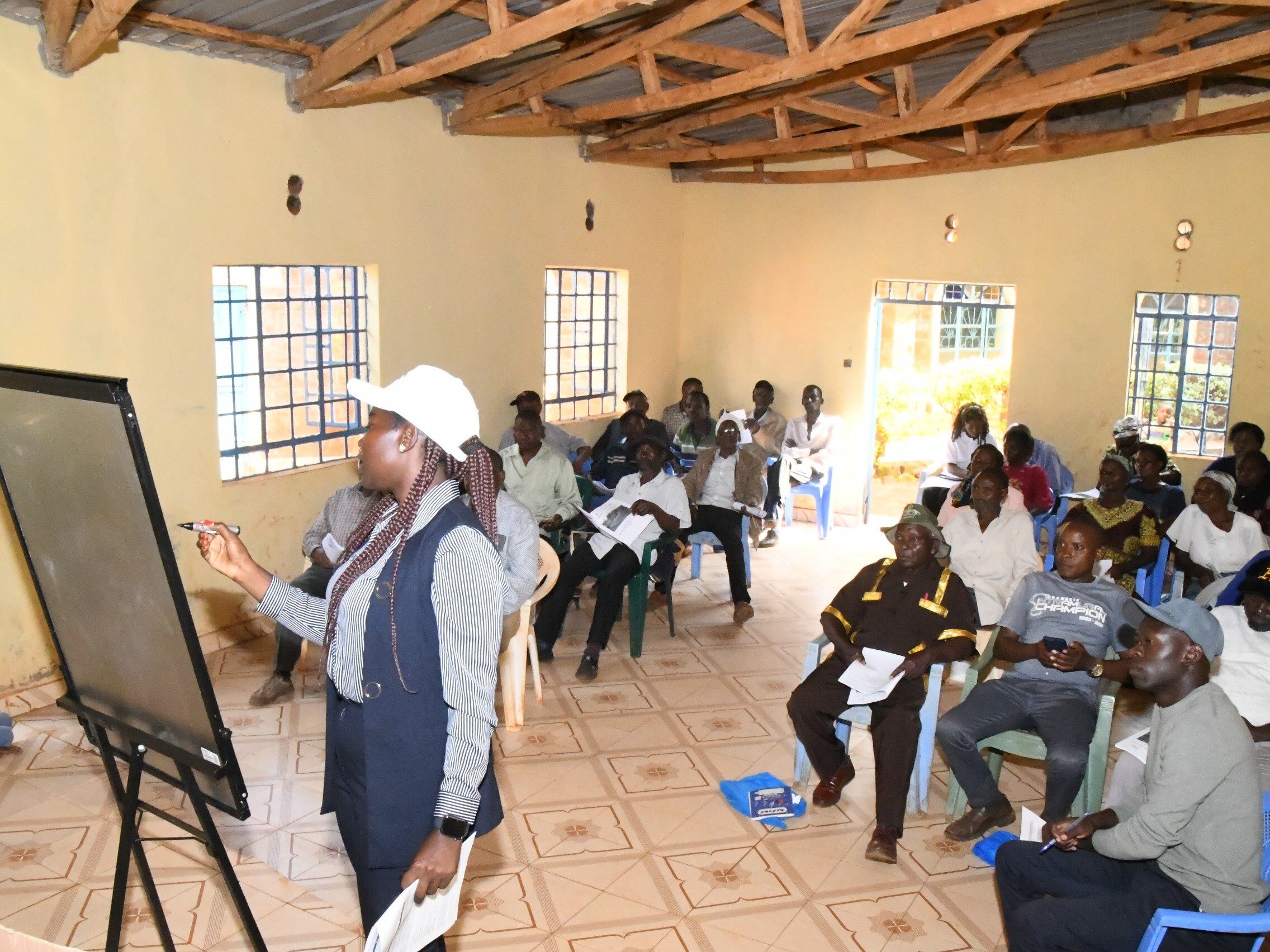






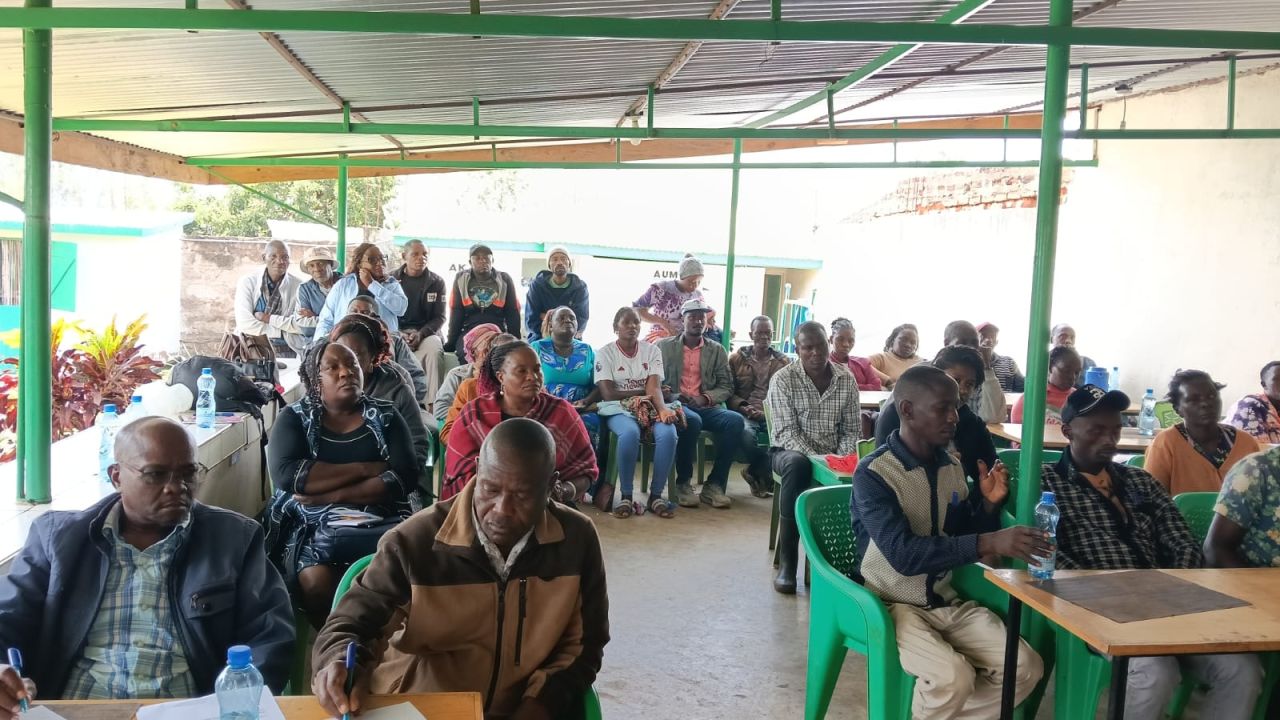
The Tana and Athi Rivers Development Authority (TARDA) has trained 60 community members in modern beekeeping practices in Itangini, Makueni County, in an initiative aimed at improving household livelihoods while promoting biodiversity conservation and the sustainable management of natural resources.
The programme, implemented under the authority’s Performance Contract commitments, brought together members drawn from different Community-Based Organisations (CBOs), equipping them with practical skills to establish and manage productive beekeeping enterprises.
Participants received training in proper hive management, bee conservation, sustainable honey production and harvesting techniques, providing them with knowledge to diversify their economic activities and explore alternative sources of income.
Beyond honey production, the initiative highlights the connection between biodiversity conservation, healthy vegetation and the protection of water resources, particularly in areas where communities depend on natural ecosystems for their livelihoods.
Bees play an important role in pollinating flowering plants, including indigenous trees and agricultural crops. Protecting their habitats encourages the conservation of vegetation, which is also essential for maintaining healthy river catchments and protecting water sources.
Vegetation in catchment areas helps regulate water movement, reduce soil erosion and limit the amount of sediment washed into rivers, dams and reservoirs during rainfall. Trees and other plant cover also help improve soil structure and water infiltration, supporting the replenishment of groundwater resources.
For water resource management, protecting natural vegetation is particularly important in semi-arid areas such as Makueni, where water availability is influenced by rainfall variability, land degradation and pressure on natural ecosystems.
The promotion of beekeeping therefore presents an opportunity to connect community income generation with environmental stewardship. By creating economic value from activities that depend on healthy ecosystems, communities can develop additional incentives to protect vegetation and conserve the natural resources around them.
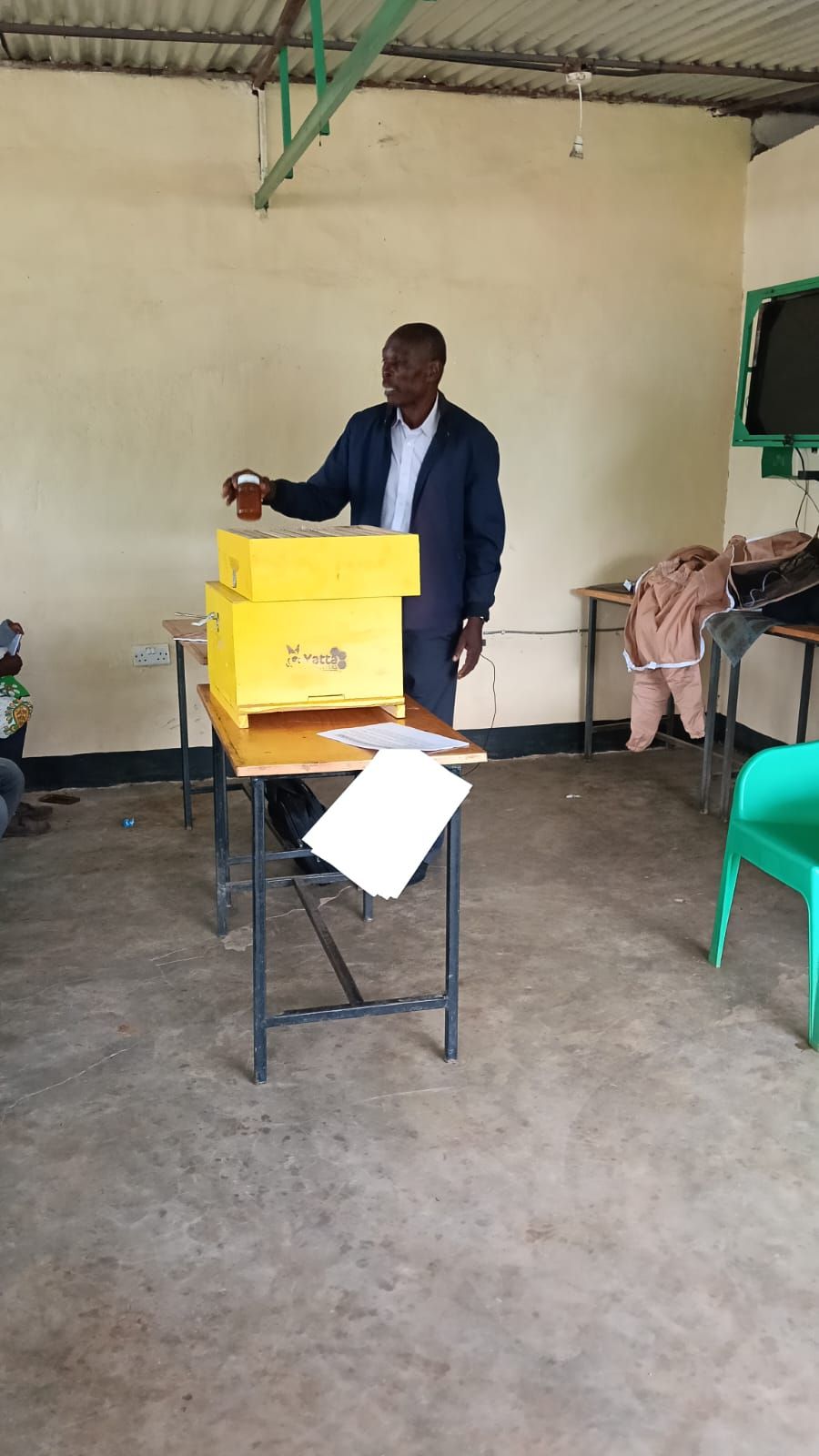
Trainer showcasing honey to members of the community at Itangini, Makueni County,
The initiative also offers an alternative livelihood in areas where prolonged dry spells and unpredictable rainfall can affect conventional agricultural activities. Unlike many farming enterprises, beekeeping does not require large areas of cultivated land or intensive water consumption, making it a potentially suitable supplementary activity for households in water-stressed regions.
However, sustainable beekeeping requires the protection of flowering plants, access to suitable habitats and responsible management of the surrounding environment. Bees also need access to water, making the conservation of local water sources and natural vegetation important for maintaining productive apiaries.
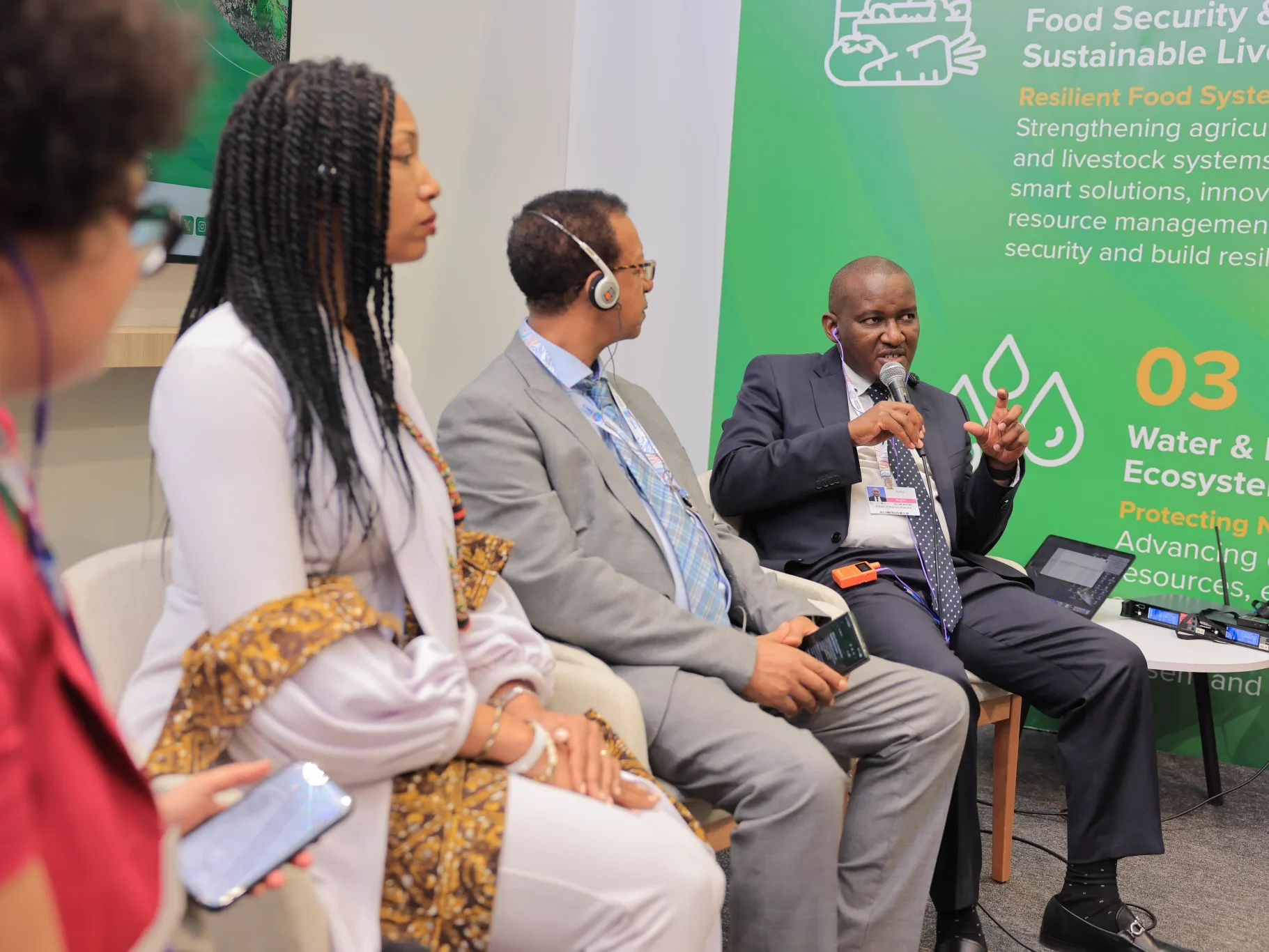
TARDA’s intervention reflects the importance of integrating community empowerment with the conservation of land, water and biodiversity. As a regional development authority operating within the Tana and Athi river basins, the institution has a broader interest in promoting activities that support sustainable natural resource management and strengthen the resilience of communities.
The training also demonstrates how community-based organisations can contribute to environmental conservation by adopting livelihood activities that encourage responsible use of natural resources.
For the 60 beneficiaries in Itangini, the acquired skills provide a foundation for exploring honey production as an income-generating enterprise while participating in wider environmental conservation efforts.
As pressure on water resources and ecosystems continues to grow, initiatives that connect economic opportunities with catchment protection and biodiversity conservation remain important in strengthening the resilience of communities and safeguarding natural resources for future generations.