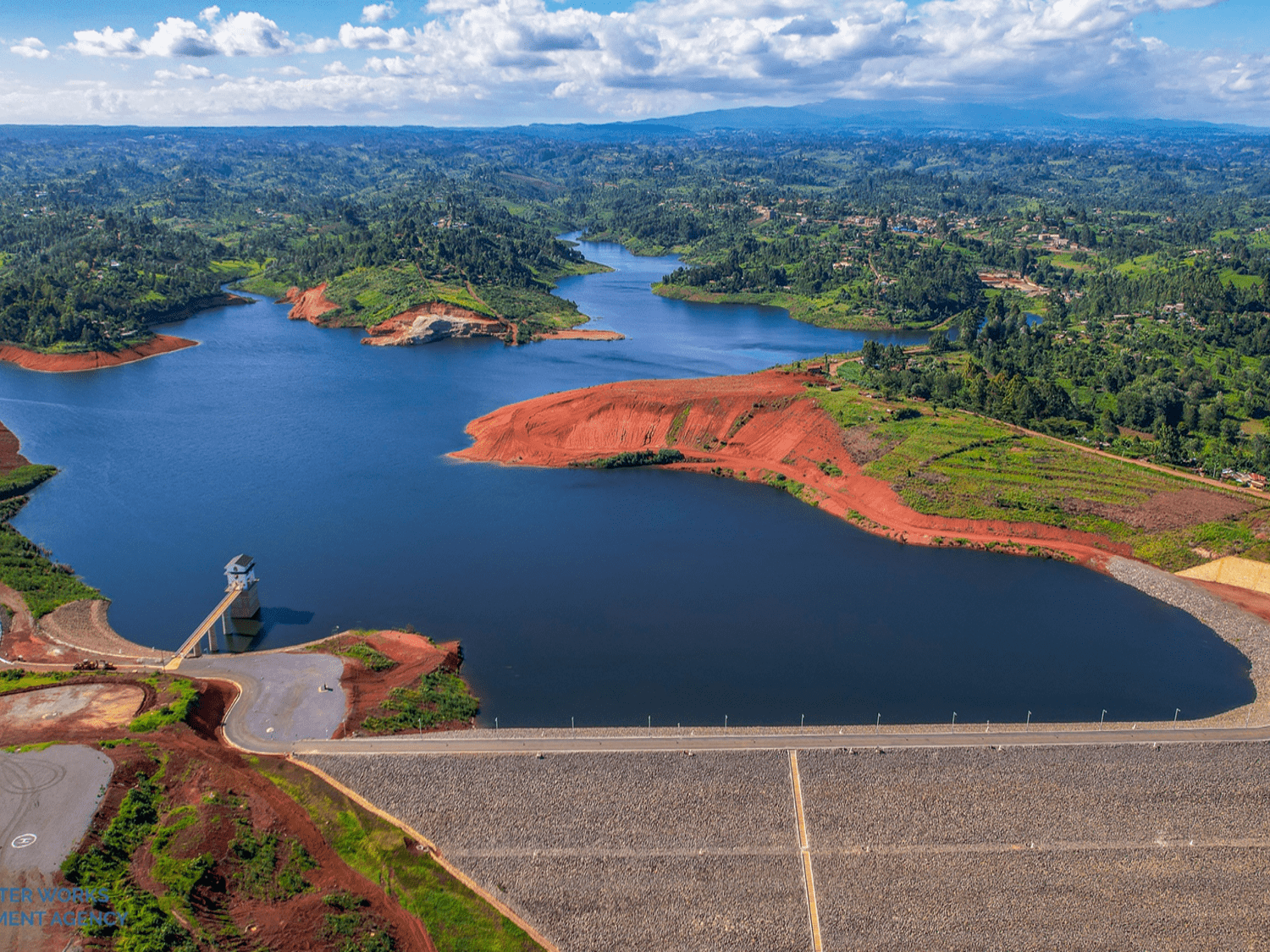
Nairobi households could continue experiencing extended water rationing after levels at Thika Dam, the capital’s largest water source, declined to 45 per cent of its storage capacity amid below-average rainfall.
The Nairobi City Water and Sewerage Company (NCWSC) reported that the reservoir, also known as Ndakaini Dam, contained 32.179 million cubic metres of water as of November 21, 2026, raising concerns over the city’s ability to maintain normal water supply.
In an update issued on November 25, the utility said the declining reservoir levels had reduced the amount of water available for treatment and distribution to Nairobi and neighbouring areas that depend on the dam.
Located in Murang’a County, Thika Dam has a full storage capacity of 70 million cubic metres and supplies approximately 80 per cent of Nairobi’s piped water. Its declining levels therefore have a direct impact on the volume of water available to households, businesses and institutions across the capital.
Nairobi Water attributed the decline to below-average rainfall, which has reduced inflows into the reservoir and increased pressure on available water reserves.
The utility urged residents to conserve water, warning that reduced storage levels meant supplies had to be managed carefully to sustain distribution across the service area.
The latest update follows an earlier production reduction announced on November 9, when Nairobi Water cut output by 35 per cent at the Ngethu and Kigoro water treatment plants.
Both facilities draw water from Thika Dam, and the reduction has contributed to longer intervals between scheduled water supply days in several Nairobi neighbourhoods.
The November 9 reduction was introduced as a precautionary measure to preserve the remaining reservoir reserves and manage available supplies over the coming months. The utility said continued abstraction at previous production levels would put additional pressure on the dam as rainfall remained insufficient to replenish its storage.
The supply constraints are also affecting communities outside Nairobi County because Thika Dam serves several neighbouring water providers. These include Kiambu Water, Githunguri Water, Karuri Water, Mavoko Water, Olkejuado Water and Oloolaiser Water, which serve parts of Kiambu, Machakos and Kajiado counties.
This means the declining reservoir levels are affecting a wider population beyond Nairobi residents, particularly households that depend on bulk water supplied from the capital’s main treatment facilities.
Despite the latest warning, Nairobi Water did not announce another production reduction in its November 25 update. However, the reservoir’s continued decline indicates that supply constraints remain, with existing rationing arrangements likely to continue as the utility monitors available water resources.
The company said it was monitoring dam levels and weather conditions and would periodically review production volumes depending on the amount of water available for treatment.
Residents have consequently been advised to manage household consumption carefully, avoid unnecessary wastage and store available water responsibly to cope with longer intervals between supply days.
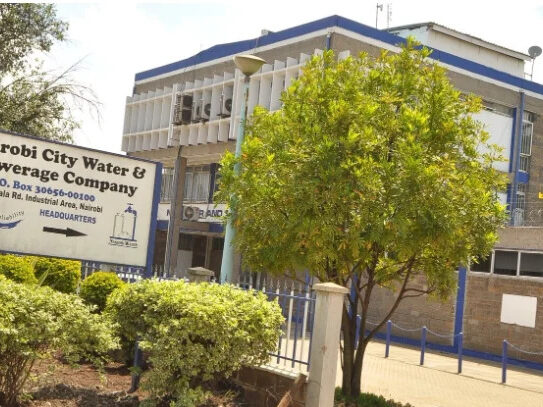
Nairobi Water has also provided customer support channels for residents seeking assistance or information about water services. Customers can access services through the USSD code *260# or contact the company’s toll-free line.
The declining levels at Thika Dam highlight Nairobi’s continued dependence on a limited number of major water sources and the vulnerability of urban supply systems to changing rainfall patterns.
Until improved rainfall restores inflows into the reservoir, the utility faces the challenge of balancing available water reserves against demand from Nairobi and neighbouring service areas.