Five counties strengthen programme implementation
Five counties have reviewed progress under the Kenya Water, Sanitation and Hygiene (K-WASH) Programme as part of efforts to strengthen implementation and prepare for the next phase of the programme.
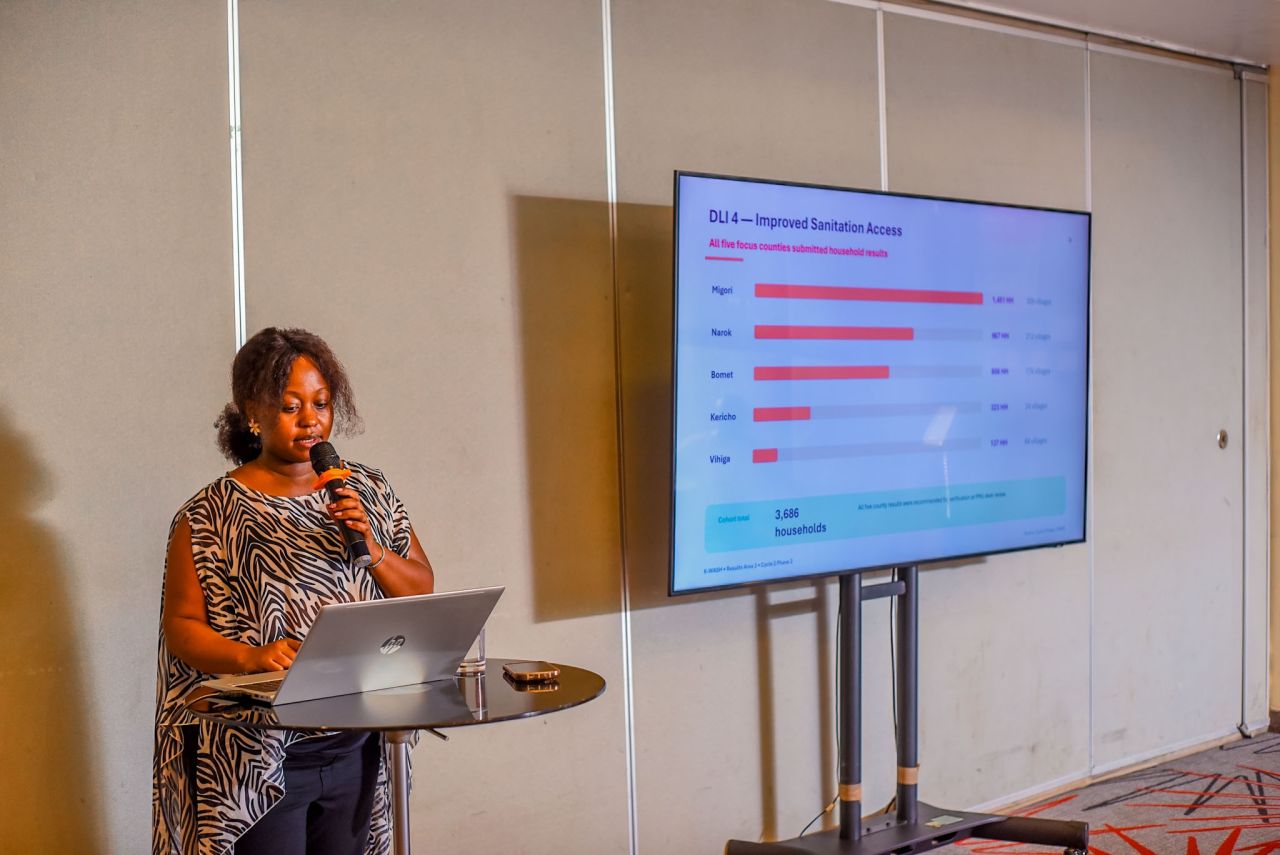
County teams from Migori, Kericho, Bomet, Narok and Vihiga met in Kisumu during the sixth K-WASH Implementation Support Mission Cluster 2 County Workshop to assess progress, address implementation challenges and enhance preparedness for Cycle 3.
The workshop provided a platform for the participating counties to share updates on their water and sanitation readiness packages, contract management and ongoing implementation activities. The discussions also focused on measures required to ensure counties remain on track to meet programme targets and deliver planned investments.
A key area of focus was preparations for Cycle 3, with county teams reviewing forecasts for the achievement of Disbursement Linked Indicators (DLIs). The teams also examined the requirements for the upcoming verification process and assessed areas that require further action before the next cycle.
The workshop further provided an opportunity to identify challenges affecting Programme-for-Results (PforR) implementation across the counties. Participants discussed practical measures to address the challenges and improve the pace and quality of programme delivery.
Technical support needs were also examined, with county teams identifying areas where additional assistance could strengthen implementation. The discussions are expected to help counties address gaps early and improve coordination among teams responsible for delivering K-WASH activities.
The K-WASH Programme Management Unit (PMU) provided updates on overall programme implementation, including progress against the Results Framework. The PMU also shared information on proposed programme restructuring and highlighted lessons emerging from the results reported during Cycle 2 by the five participating counties.
Environmental and social safeguards formed part of the discussions, alongside financial management and procurement. County officials reviewed compliance requirements, financial reporting procedures, audit processes and internal controls.
Procurement implementation and statutory requirements for Cycle 3 verification were also discussed, with emphasis placed on ensuring counties meet the necessary standards and documentation requirements.
The workshop concluded with the development of county-specific action plans outlining priority activities, outstanding issues and areas requiring additional technical support. The plans are expected to guide follow-up actions and help each county address identified gaps as preparations for the next implementation cycle continue.
The Cluster 2 workshop is part of the broader K-WASH Implementation Support Mission aimed at strengthening programme delivery, improving accountability and ensuring participating counties remain prepared to meet agreed targets under the water and sanitation programme.