K-WASH strengthens water services in refugee-hosting counties
Efforts to improve access to sustainable water, sanitation and hygiene services in refugee-hosting areas have received a boost following engagements between county governments, water sector agencies and service providers under the K-WASH programme.
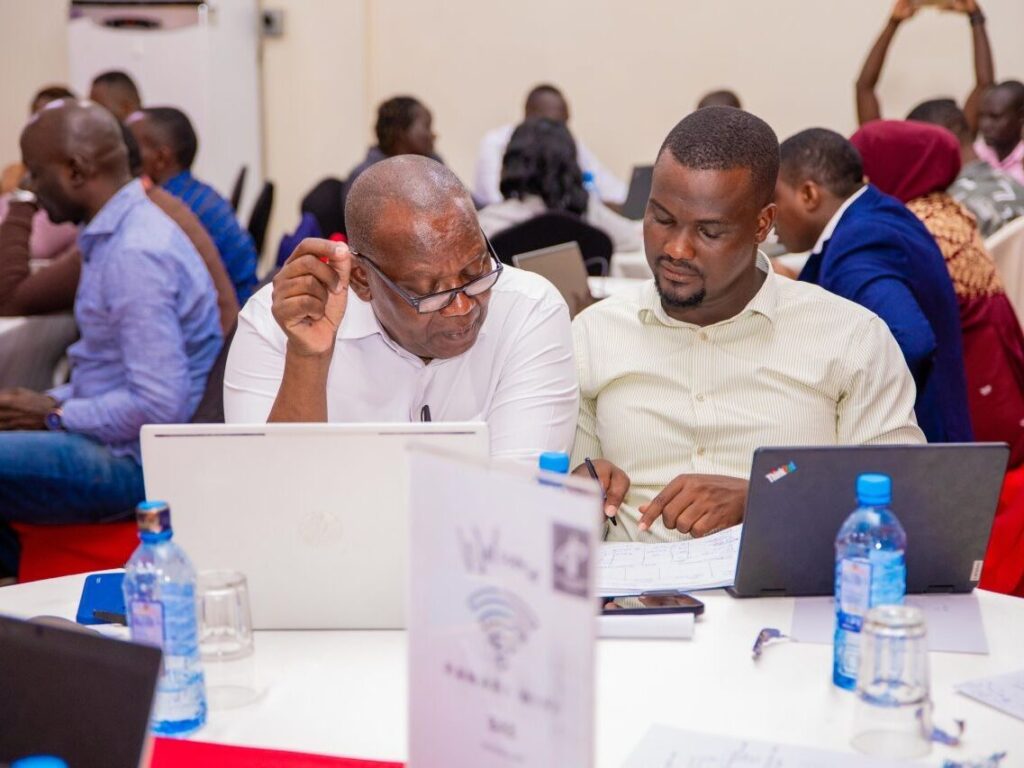
The engagements were held in Nairobi on September 25, 2026, as part of the sixth K-WASH Implementation Support Mission. The workshop brought together representatives from Turkana and Garissa counties, Water Works Development Agencies (WWDAs) and Water Service Providers (WSPs) to assess progress and strengthen preparedness for the delivery of WASH services in communities hosting refugees.
The meeting focused on implementation under the Window for Host Communities and Refugees (WHR), which seeks to strengthen access to essential water and sanitation services among both refugee populations and their host communities.
Participants reviewed progress made so far and assessed the readiness of counties and implementing institutions to advance planned interventions. Discussions also examined contract management, implementation progress and preparations for the next phase of the programme.
A key area of discussion was the Cycle 3 Disbursement Linked Indicator (DLI) forecasts. County teams, WWDAs and WSPs assessed their preparedness and identified actions required to meet the expected targets and reporting requirements.
The engagements also placed significant attention on the performance and compliance of Water Service Providers. WSPs reviewed their compliance with regulatory requirements and examined their Operating Cost Coverage Ratio (OCCR), an important measure of a utility’s ability to meet its operational costs from revenue generated through service provision.
The review provided an opportunity for service providers to identify areas that require improvement as they work towards strengthening their financial and operational sustainability.
Participants also discussed the transition towards integrated utility services. The approach is intended to support more coordinated delivery of water and sanitation services while strengthening the capacity of utilities to serve communities effectively.
County governments and WSPs highlighted several challenges affecting implementation in their respective areas. The discussions enabled participants to identify specific areas where targeted technical assistance could help address bottlenecks and accelerate implementation.
At the conclusion of the workshop, county and WSP-specific action plans were developed to guide the next phase of implementation. The plans outlined priority activities, readiness requirements and areas requiring additional technical support.
The K-WASH Programme Management Unit (PMU) also provided updates on overall programme implementation and shared lessons emerging from Cycle 2. The lessons are expected to help participating institutions improve preparedness and implementation during the next phase.
The engagement comes as Kenya continues to address water and sanitation challenges in counties hosting significant refugee populations. Turkana and Garissa face the additional responsibility of providing essential services to both host communities and refugee populations, making investment in sustainable WASH infrastructure particularly important.
K-WASH has dedicated US$50 million in financing to support water, sanitation and hygiene interventions targeting host communities and refugees. The funding is expected to contribute to efforts to expand and strengthen WASH services in refugee-hosting counties.
The programme’s focus on both refugees and host communities is aimed at supporting more inclusive service delivery while strengthening the capacity of local water institutions.
The latest engagement demonstrates the importance of coordination between national programmes, county governments, water agencies and service providers in delivering sustainable WASH services.
Through continued technical support, improved compliance, stronger utility performance and coordinated implementation, the programme seeks to accelerate progress towards reliable water and sanitation services for communities in refugee-hosting areas.
The development of specific action plans for Turkana and Garissa is expected to provide a clear roadmap for addressing implementation gaps and preparing for Cycle 3 reporting and disbursement requirements.