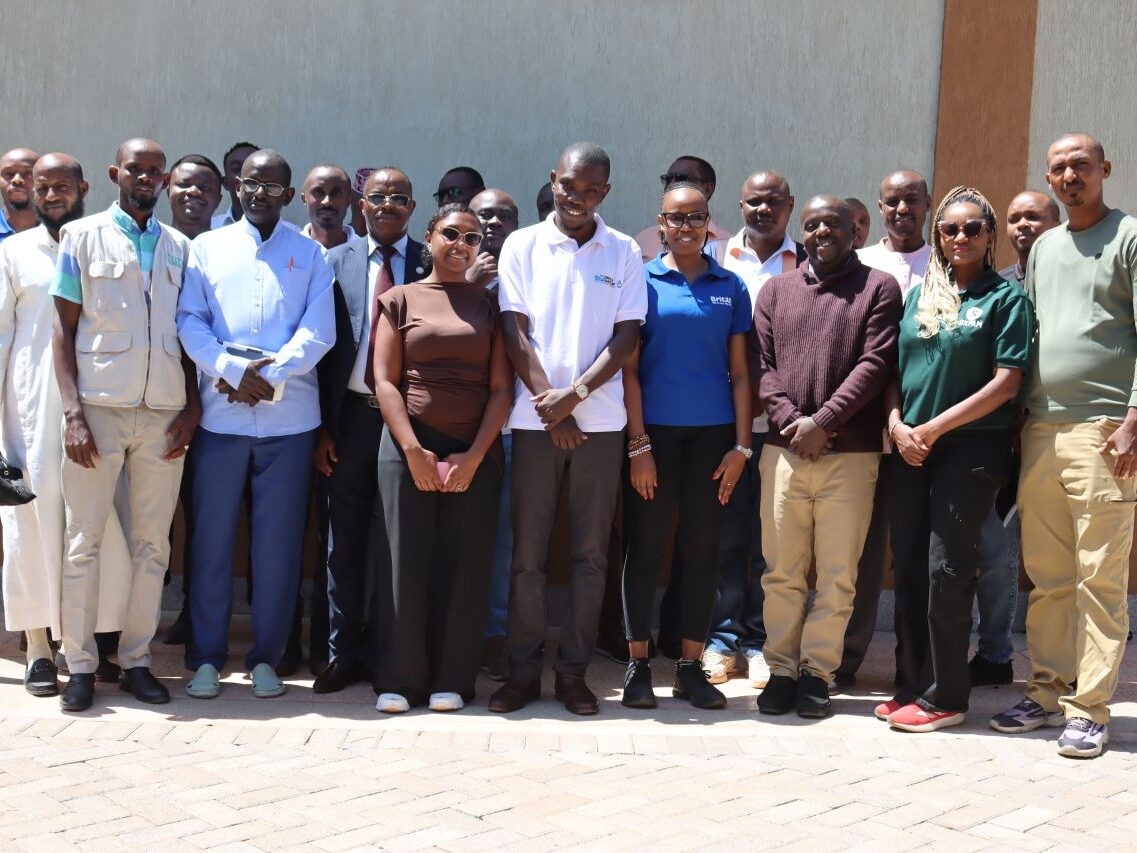
A new partnership has been launched in Isiolo County to strengthen water security and help communities cope with the growing effects of climate and health-related shocks.
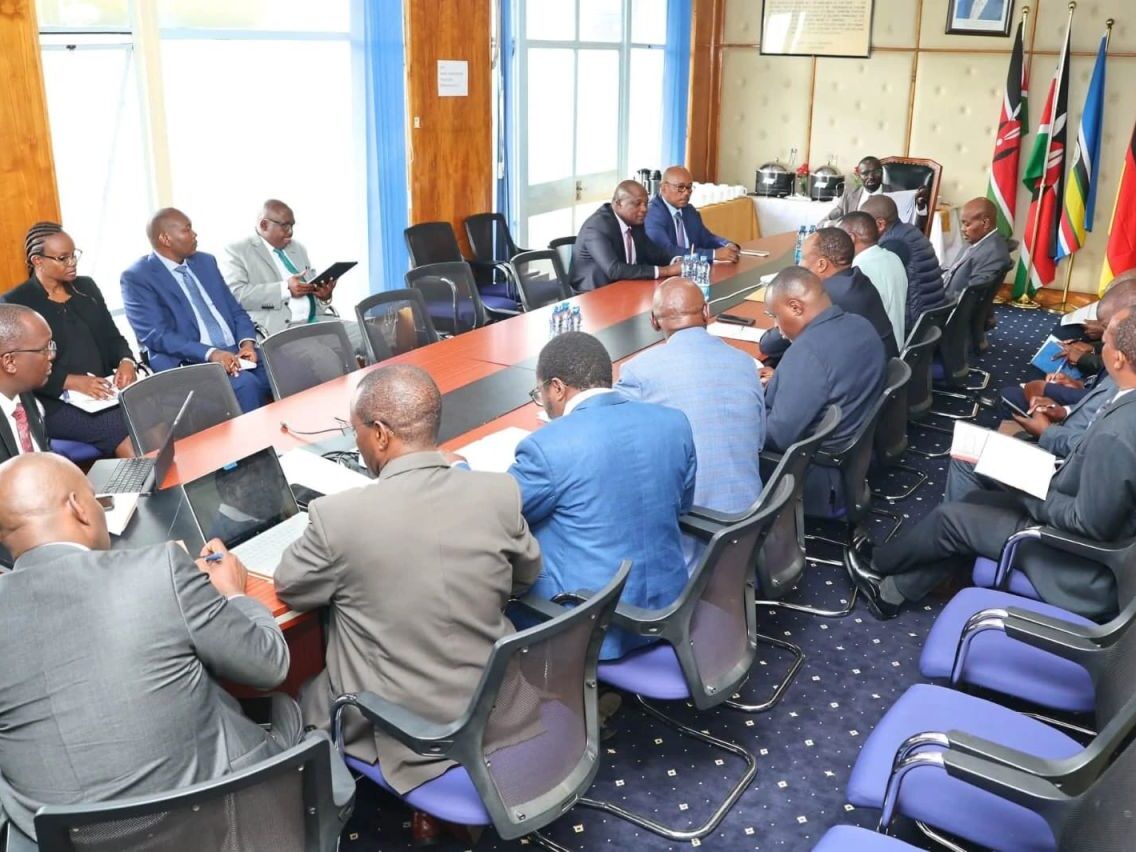
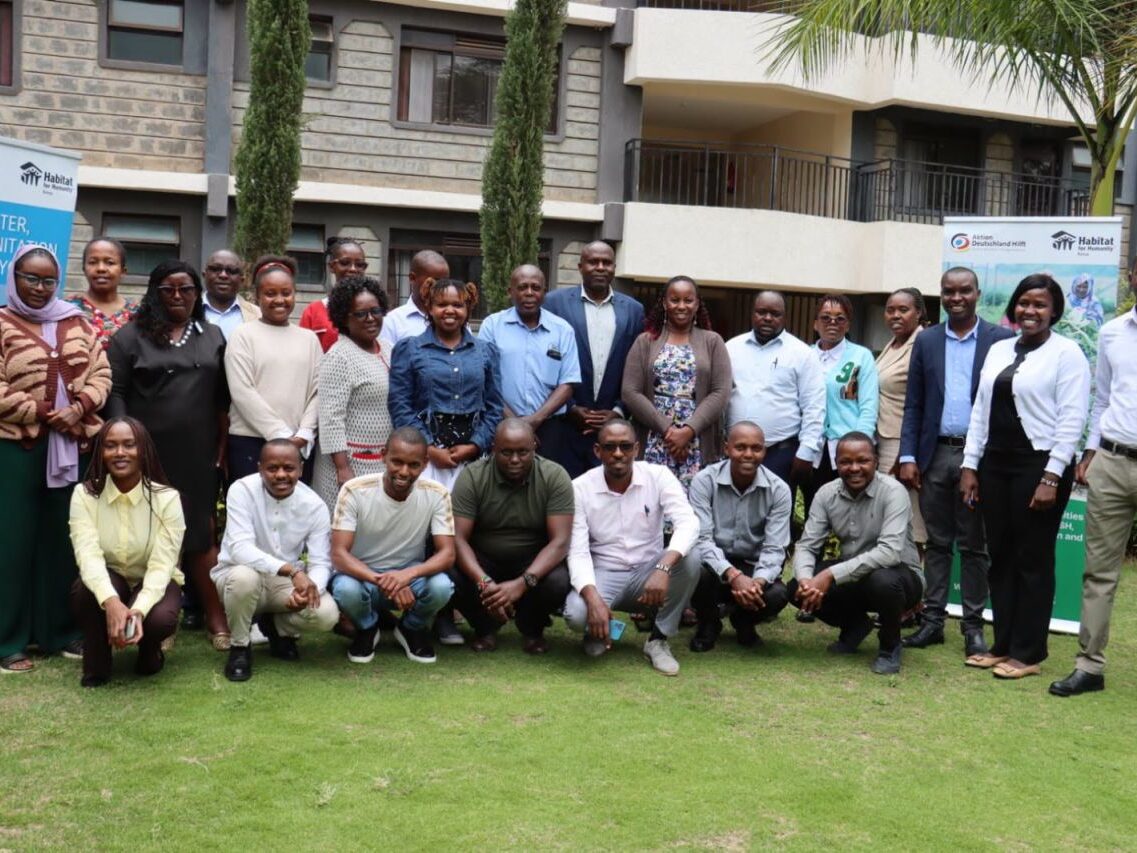
The Climate Risk WASH Financing initiative brings together Britam Foundation, Oxfam Kenya, the County Government of Isiolo, Britam Connect, Davis & Shirtliff and Merti Integrated Development Programme (MID-P Kenya) to support vulnerable households and improve the reliability of community water infrastructure.
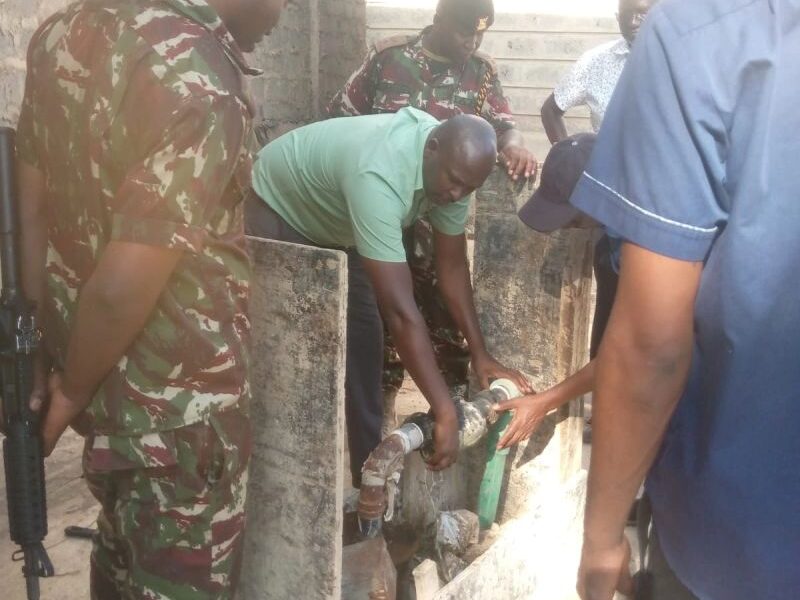
The initiative will focus on protecting and improving seven community water points across the county. The facilities will undergo rehabilitation, while insurance and preventive maintenance measures will be introduced to reduce prolonged breakdowns and ensure communities have continued access to clean and reliable water.
Community water points play an important role in areas where households depend on shared sources for their daily water needs. When such facilities break down for extended periods, families can face difficulties accessing safe water, increasing pressure on already limited resources. The initiative therefore seeks to address both infrastructure and financial risks that can affect access to essential services.
In addition to supporting water infrastructure, the programme will provide health insurance coverage to 1,400 households. The insurance component will help participating families manage the financial pressures associated with healthcare and extended hospitalisation.
The initiative will also offer income-replacement support to households following prolonged hospital stays. This component is intended to help families cope with the loss of income that can occur when illness prevents a household member from working for an extended period.
Financial literacy will form another part of the programme. Communities will receive information and training to improve their understanding of financial risks, insurance coverage and claims procedures. The sessions are expected to help households make informed decisions about available protection mechanisms and understand how to access support when risks occur.
The partnership combines investment in physical water infrastructure with measures aimed at improving household financial resilience. By linking rehabilitation and preventive maintenance with insurance protection, the initiative seeks to address some of the interconnected challenges that communities face during climate and health emergencies.
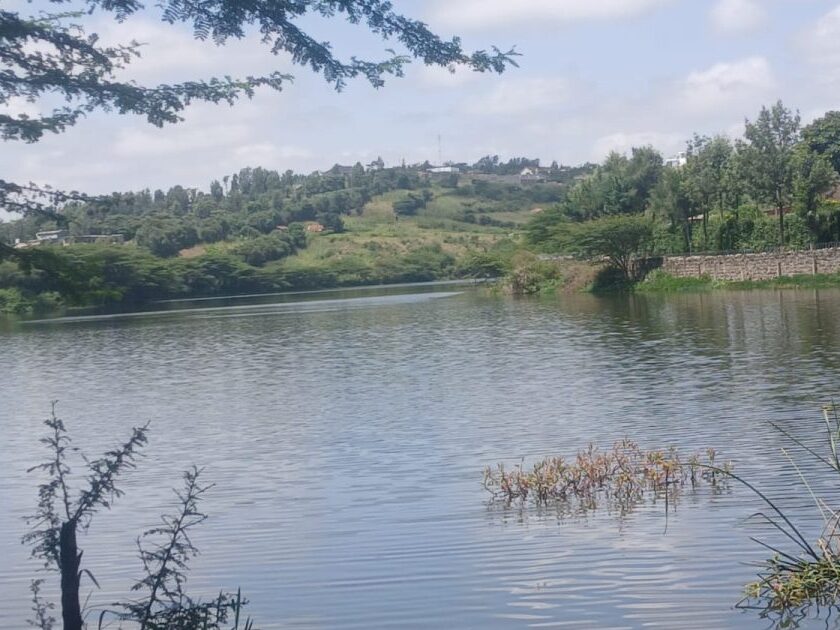
Climate variability can place additional pressure on water resources and infrastructure, particularly in areas that experience water shortages and other environmental stresses. Ensuring that community water points remain functional is therefore an important part of strengthening local resilience.
The preventive maintenance component is expected to support earlier identification of faults and reduce the likelihood of facilities remaining out of service for long periods. This approach can help protect investments in water infrastructure while improving continuity of services for residents.
The involvement of county authorities, development organisations, private-sector partners and community-focused institutions provides a collaborative approach to addressing water and household resilience. Each partner brings different areas of expertise, ranging from water infrastructure and maintenance to insurance, financial literacy and community development.
The initiative is expected to contribute to stronger water security while helping households better prepare for unexpected financial and health challenges. Its integrated approach recognises that reliable water services and household financial stability are closely connected to community resilience.
Through the Climate Risk WASH Financing initiative, the partners aim to support Isiolo communities in managing climate and health risks while creating more dependable systems for accessing essential services. The programme will combine infrastructure protection, preventive maintenance, insurance and financial education to help communities build greater resilience and security over the long term.