When a river runs through town but water runs dry
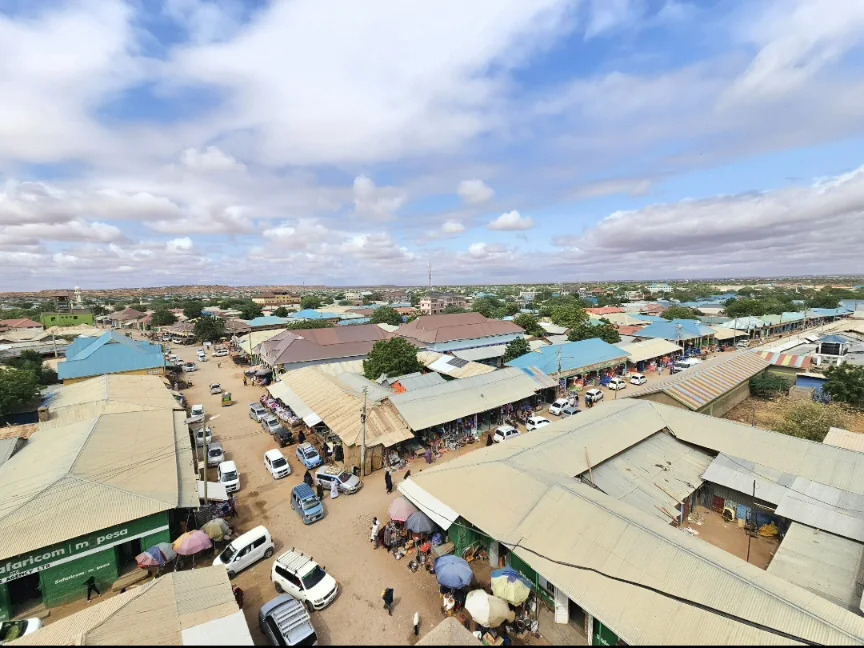
A river can run through the heart of a town and still leave thousands of residents struggling to find enough clean water.
That is the paradox facing residents of Mandera Town, where River Dawa passes through the area, yet many households continue to depend on privately supplied water to meet their daily needs. The situation illustrates a wider challenge in water service delivery: the presence of a water source does not necessarily guarantee access to safe, reliable and affordable water.
For communities, turning a river into a dependable source of drinking water requires more than the availability of water in the environment. It requires investment in abstraction infrastructure, treatment facilities, storage, distribution networks, maintenance and effective management of water services. Without these systems, a potentially valuable water resource can remain largely inaccessible to the people living nearby.
In Mandera, residents say piped water that was once available in many homes has become difficult to access. As taps remain dry, households have increasingly turned to water bowsers operated by private vendors. The vendors source water from privately owned wells before transporting and selling it to residents.
The result is a situation where residents have to pay for water that they say should be more readily available through a functioning public water supply system.
The concerns have emerged against the backdrop of significant public investment in the county’s water sector. According to the Controller of Budget’s report for the 2025/26 financial year, Mandera County allocated Sh120 million to the Mandera Water and Sewerage Company. The company received Sh97 million in actual transfers during the financial year, while the county reported Sh45 million in exchequer funds issued.
The report further indicates that the county has transferred a cumulative Sh1.4 billion to the water company since its establishment.
Despite these investments, residents continue to raise concerns about the reliability of water services in Mandera Town. Ahmed Hanshi, a resident of Bula Power, said it was difficult for residents to understand why they continued to struggle for water while River Dawa passes through the town.
Hanshi recalled that piped water was previously available in many homes but said the service had since declined.
Siad Abdiqani, another resident, questioned the continued water shortage despite funding allocated to the water utility. He said residents were forced to buy water from bowsers because their taps frequently remained dry.
For water bowser operators such as businessman Dekow Guliye, the shortage has created a growing demand for privately supplied water. He said vendors purchase water from privately operated wells before delivering it to households, effectively filling a gap left by unreliable piped supplies.
Mandera’s experience demonstrates that water security is ultimately not determined by proximity to a river alone. Governance, investment, planning and the ability to operate and maintain water infrastructure determine whether water resources can be transformed into safe drinking water at the household level.
A river may provide the raw resource, but communities need functioning institutions and infrastructure to turn that resource into a dependable public service.
For Mandera residents, the challenge is therefore not simply that water is scarce. It is also about whether available water resources and public investments are being effectively converted into clean, sufficient and affordable water for the people who need it.
The experience raises a fundamental question for water governance: What does it mean to live beside a river if residents still have to buy water from private vendors?
For Mandera, finding an answer will require more than identifying water sources. It will require sustained investment, effective management and accountable water service delivery capable of turning River Dawa and other available resources into reliable water for the town’s residents.