K-WASH targets faster implementation across Kenya.
The Kenya Water, Sanitation and Hygiene (K-WASH) Programme is seeking to accelerate implementation and strengthen coordination among participating institutions as it moves towards achieving its intended water, sanitation and hygiene targets across the country.
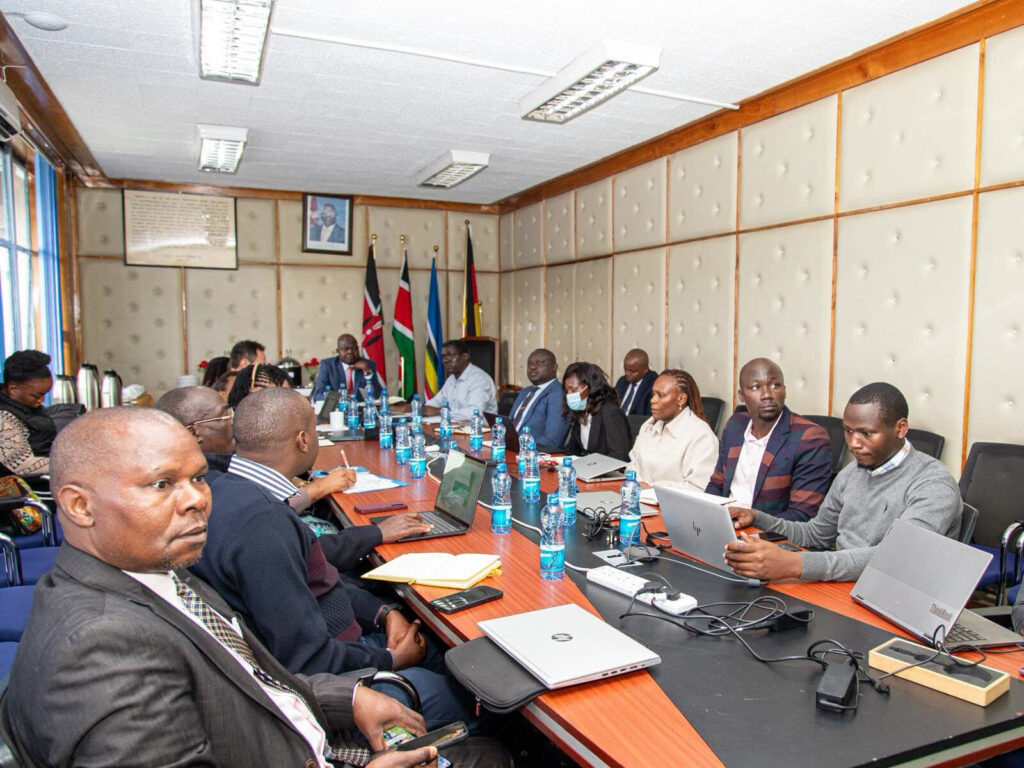
Water Secretary Eng. Samuel Alima, representing Principal Secretary for the State Department for Water and Sanitation Julius Korir, chaired a K-WASH programme wrap-up meeting that reviewed progress made so far and identified measures needed to improve the pace of implementation.
The meeting noted that the programme currently stands at 11 per cent implementation progress, prompting discussions on how to fast-track ongoing activities and ensure that planned interventions are delivered within the expected timelines.
A major focus of the meeting was the ongoing Cycle 2 Phase II results verification process. Participants stressed the need to expedite the verification exercise to facilitate timely disbursement of funds and maintain momentum in the implementation of programme activities.
The meeting also examined the role of Water Works Development Agencies in supporting K-WASH interventions, particularly projects targeting schools and refugee-hosting camps. Their participation is expected to strengthen implementation capacity and help extend water, sanitation and hygiene services to communities and institutions that require improved access to essential services.
Participants further highlighted the need to fast-track the Implementation Agreement, which is expected to provide an important framework for effective coordination and delivery of programme activities.
Beyond implementation and financing, the meeting underscored the importance of documenting and communicating the results being achieved through K-WASH. Participants noted that stronger visibility of the programme would help demonstrate its impact, highlight progress and showcase interventions being undertaken in different parts of the country.
The communications team was consequently encouraged to take a more active role in documenting programme activities, achievements and community-level impact. Effective communication was identified as an important component in demonstrating how investments under the programme are translating into improved water, sanitation and hygiene services.
The meeting brought together representatives from the World Bank, led by Task Team Leader Pascaline Wanjiku, as well as officials from the Ministry of Health, Ministry of Education, Water Resources Authority and Water Sector Trust Fund.
The engagement provided an opportunity for the participating institutions to assess the programme’s current position, address implementation bottlenecks and agree on actions required to accelerate delivery.
With the programme still at an early stage of implementation, participants emphasised the need for stronger coordination, faster verification and disbursement processes, and closer collaboration among implementing institutions.
The discussions are expected to guide efforts to increase the pace of K-WASH activities while ensuring that resources are directed towards interventions capable of delivering measurable improvements in water, sanitation and hygiene services.
The renewed focus on implementation comes as Kenya continues to prioritise expanded access to reliable water and sanitation services, particularly in schools, refugee-hosting areas and underserved communities.