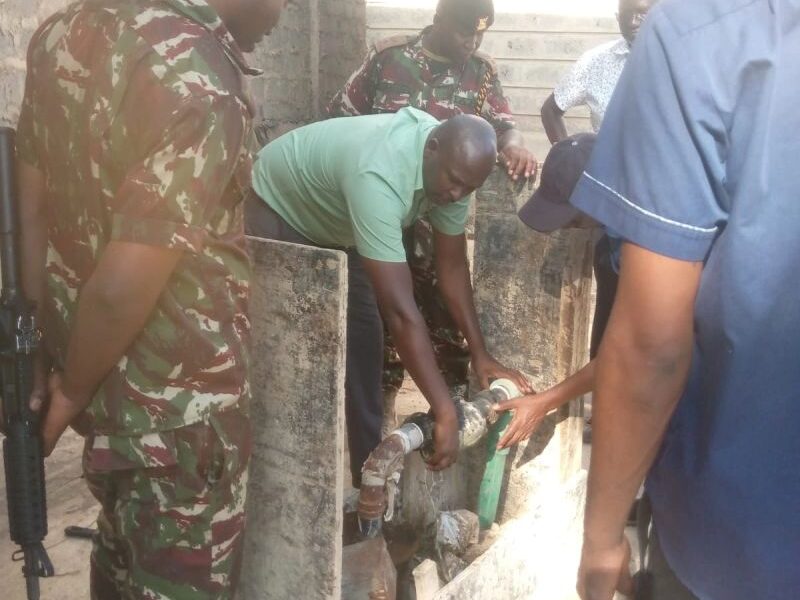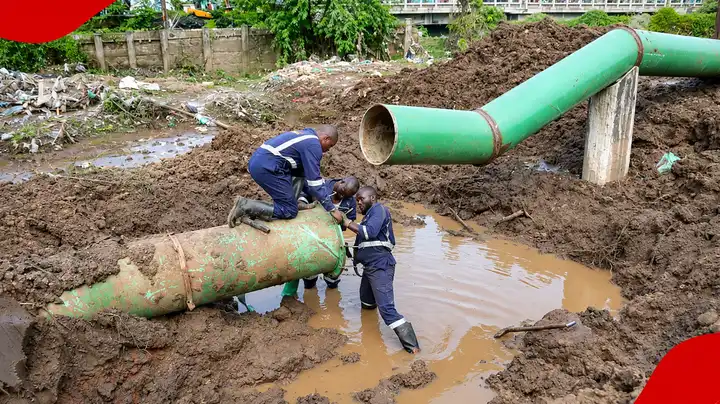
Residents of Nairobi and neighbouring counties are expected to experience extended water rationing following a 35 per cent reduction in production at two major water treatment plants due to declining levels at Thika/Ndakaini Dam.
Nairobi City Water and Sewerage Company announced on Monday, November 9, 2026, that production at Ngethu and Kigoro Water Treatment Plants had been reduced with immediate effect, warning consumers to prepare for longer periods without water.
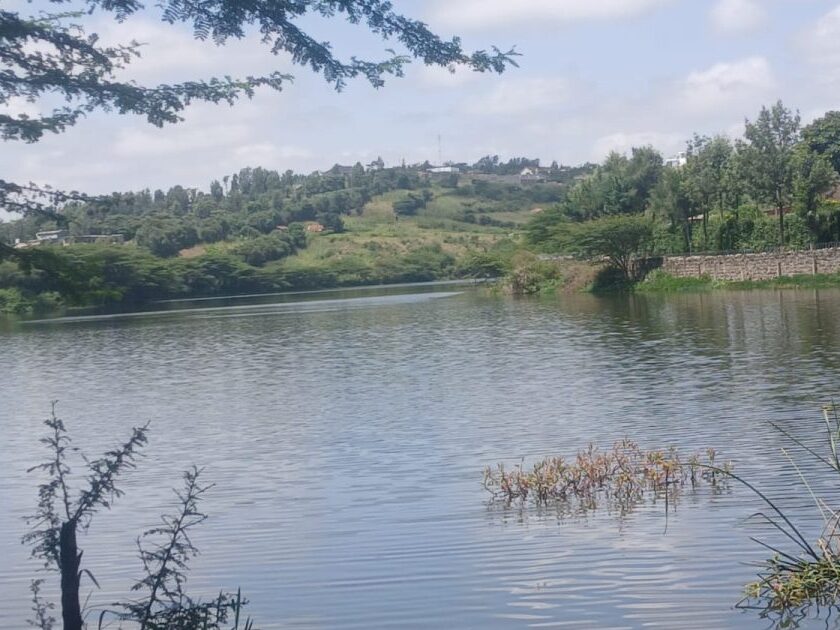
The utility attributed the decline to below-average rainfall within the dam’s catchment area, which has significantly reduced water inflows into the reservoir. The company said the reduction in available water had necessitated temporary cuts in abstraction to preserve existing reserves and sustain supplies over the coming months.
The production cuts are expected to affect seven water service providers serving Nairobi and surrounding metropolitan areas. These include Nairobi City Water and Sewerage Company, Kiambu Water and Sanitation Company, Githunguri Water and Sanitation Company, Karuri Water and Sanitation Company, Mavoko Water and Sewerage Company, Olkejuado Water and Sewerage Company, and Oloolaiser Water and Sewerage Company.
The affected utilities serve customers across parts of Nairobi, Kiambu, Machakos and Kajiado counties, extending the impact of the declining dam levels beyond the capital.
In a separate customer advisory, Mavoko Water and Sanitation Company (MAVWASCO) announced an extended rationing programme affecting customers supplied through the Nairobi to Kitengela and Nairobi to Utawala/Kamulu bulk water supply lines.
The company identified Syokimau, Mlolongo, Sabaki, Everest, Greatwall, Utawala and Kamulu as among the areas expected to experience significant supply disruptions.
MAVWASCO said the reduction in production at Ngethu and Kigoro treatment plants would significantly affect the volumes of bulk water available to its customers. It urged residents in the affected neighbourhoods to use available supplies sparingly as it monitors the situation in collaboration with Nairobi Water.
The development comes amid growing pressure on water supply infrastructure serving the rapidly expanding Nairobi metropolitan region, where residential and commercial developments continue to increase demand for treated water.
Ndakaini Dam, located in Murang’a County, is a major source of raw water for Nairobi and neighbouring areas. Its declining storage levels present a challenge for several utilities that depend on the interconnected bulk water supply network.
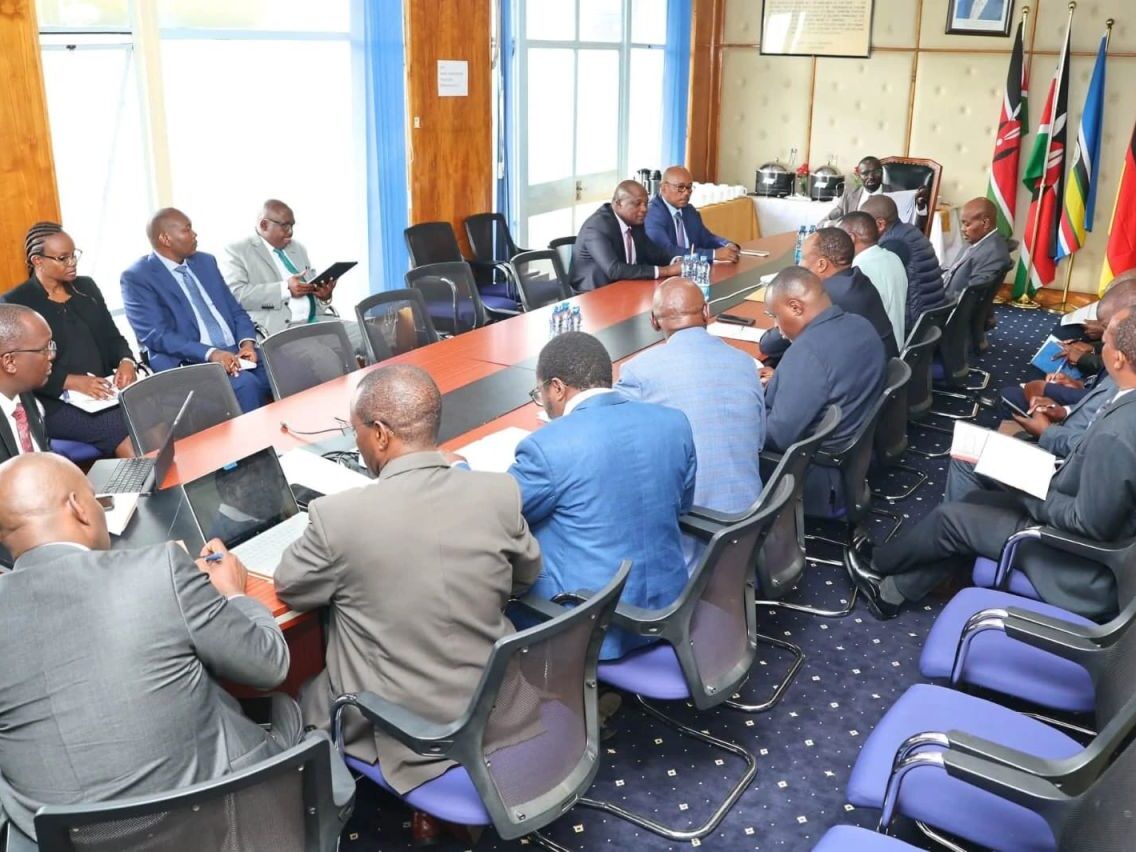
Nairobi Water said it was monitoring dam levels and prevailing weather conditions and would periodically review production volumes depending on changes in water availability. However, the company did not announce a specific date for the restoration of normal production or provide a revised rationing timetable.
Both Nairobi Water and MAVWASCO have appealed to consumers to conserve available supplies and avoid unnecessary wastage during the period of reduced production.
Customers served by MAVWASCO can seek assistance through its customer service line on 0719 148866, while Nairobi Water has provided the toll-free number 0800 724 366 for enquiries.
The situation highlights the vulnerability of urban water supply systems to changing rainfall patterns and declining reservoir storage, raising questions about the need to strengthen water storage, diversify supply sources and improve long-term planning to meet the growing demand across the metropolitan region.