



More than 5,000 residents of Meru Central Sub-County are expected to benefit from improved access to clean and safe water through a series of proposed and ongoing infrastructure projects aimed at addressing supply shortages and strengthening water distribution networks.
The projects come as the government steps up investment in water infrastructure across Meru County, where growing demand, pressure on existing water sources and inadequate distribution systems continue to affect reliable access to water.
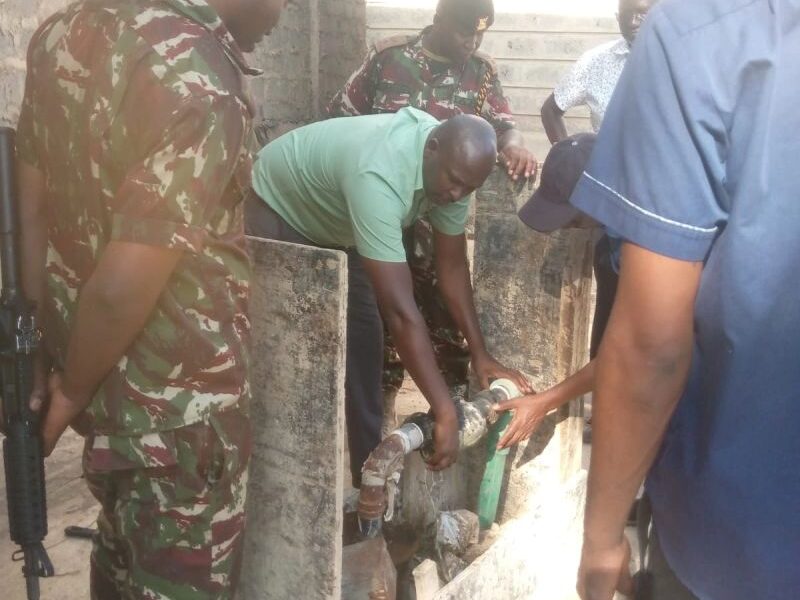
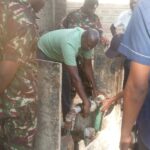
Water, Sanitation and Irrigation Cabinet Secretary Eng. Eric Mugaa has directed the Tana Water Works Development Agency (TWWDA) to take action over delays affecting the Kaari Water Project in Katheri Location, which is currently 60 per cent complete.
Mugaa issued the directive after inspecting the project and expressing concern over the contractor’s absence from the construction site. He instructed the agency to invoke relevant contractual provisions and consider alternative measures to accelerate the remaining works.
The Kaari project involves rehabilitation of the existing main water line, construction of a transmission pipeline, expansion of distribution networks and installation of a Break Pressure Tank (BPT) to improve water delivery to households.
Technical details published by TWWDA indicate that the works include rehabilitation of approximately 1.5 kilometres of an existing 160-millimetre gravity main and installation of additional pipelines serving Karanene, Abwetene and Kireita.
The project also incorporates a five-cubic-metre Break Pressure Tank designed to regulate pressure within the distribution system. Such facilities are important in water networks where differences in elevation can create pressure variations that affect pipeline performance.
The infrastructure is expected to improve the movement of water through the network and strengthen supply to communities connected to the system.
Beyond Kaari, the government is considering three additional water projects in Imenti Central, namely Baraka-Kimuri, Weru and Kaathi Mutethia.
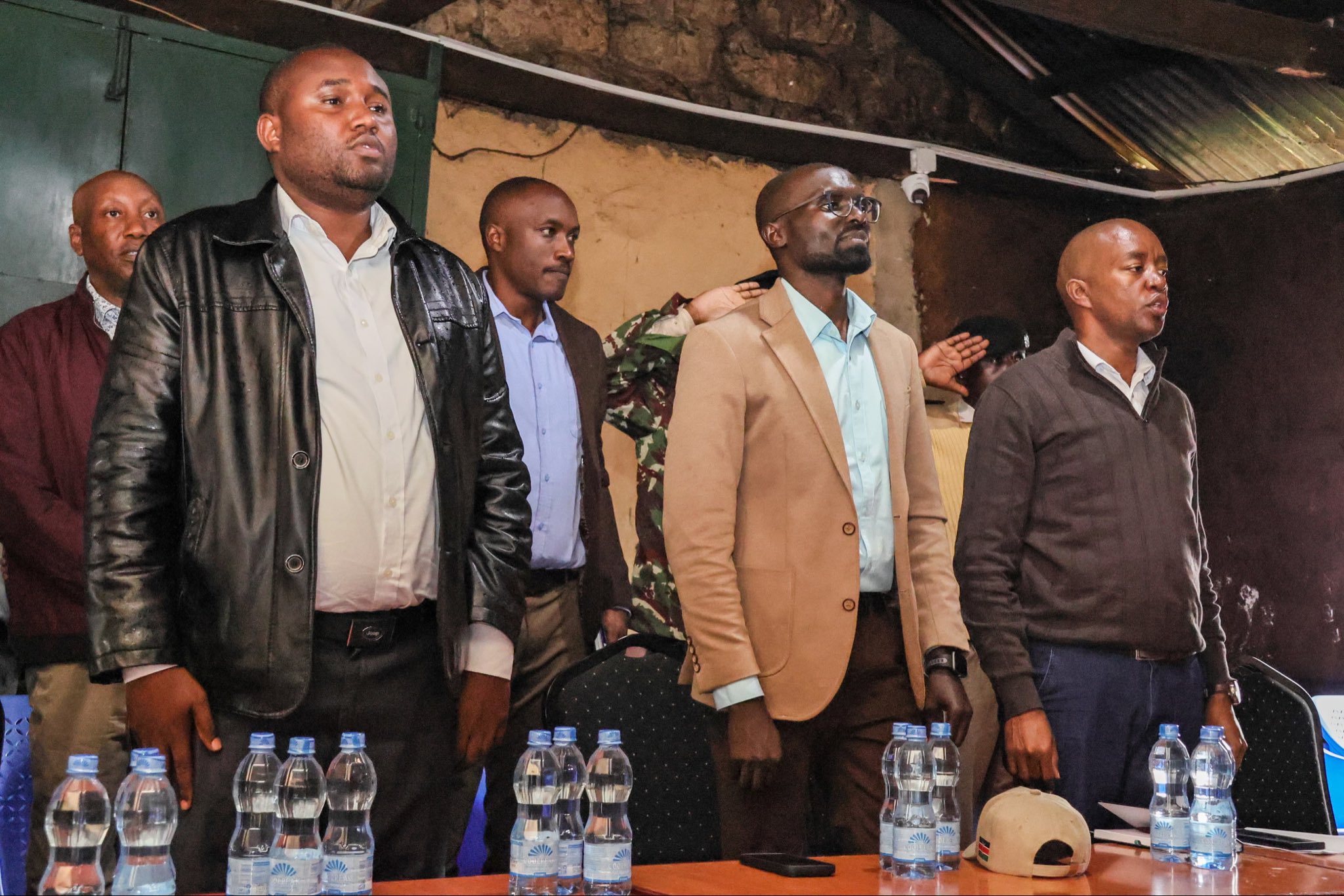
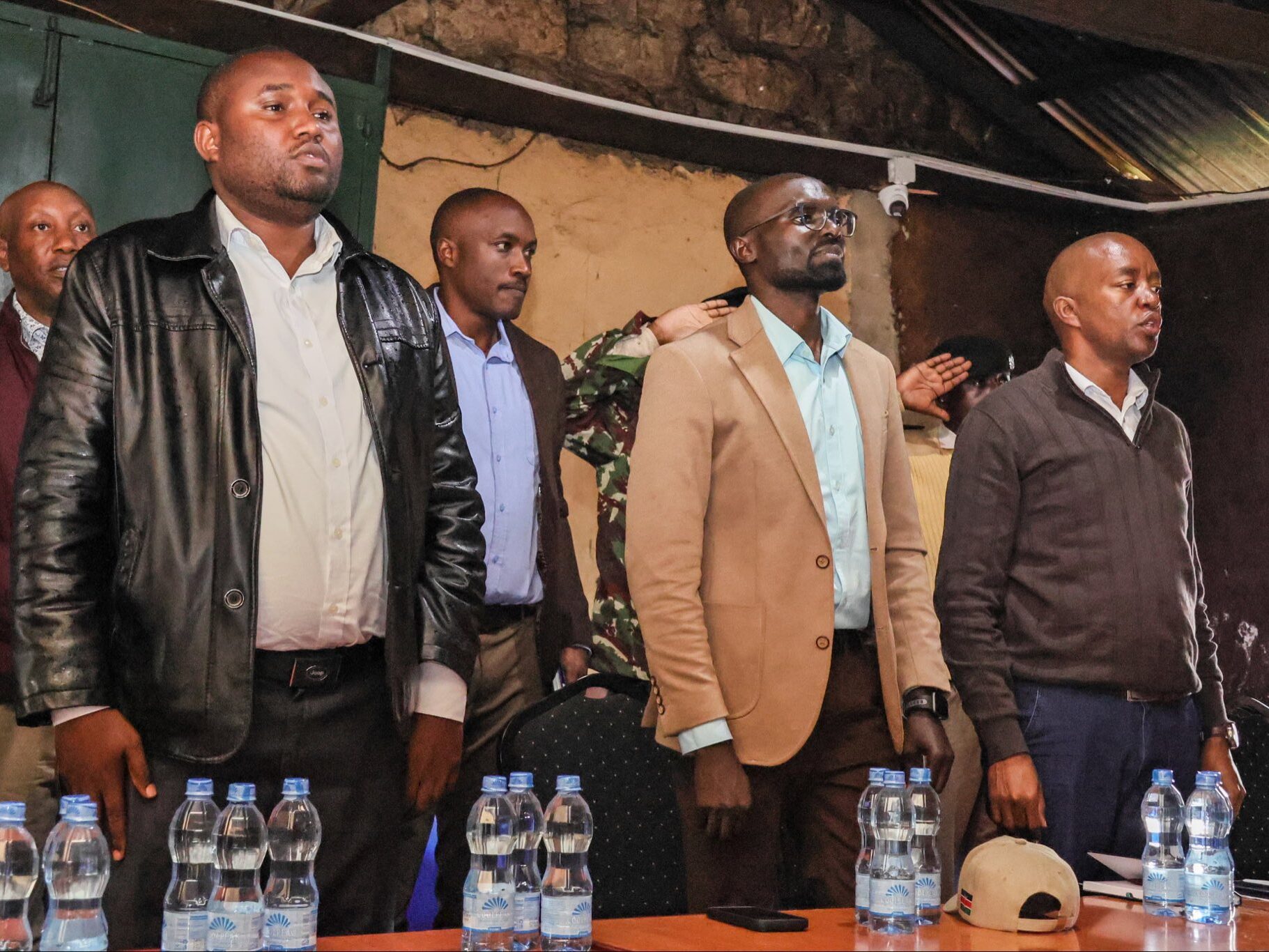
Mugaa held public participation forums on the proposed developments, allowing residents and other stakeholders to contribute to discussions about the planned infrastructure and its expected benefits.
The Cabinet Secretary said the projects would improve access to reliable water for domestic consumption while supporting agricultural production, food security and economic activities.
He was accompanied by Imenti Central Member of Parliament Moses Kirima Nguchine, nominated MP Dorothy Muthoni, National Government Administrative Officers and other local leaders.
The proposed investments form part of wider efforts to address water supply challenges across Meru County. Previous interventions have also focused on increasing available water sources, improving treatment facilities and extending distribution networks to communities experiencing shortages.
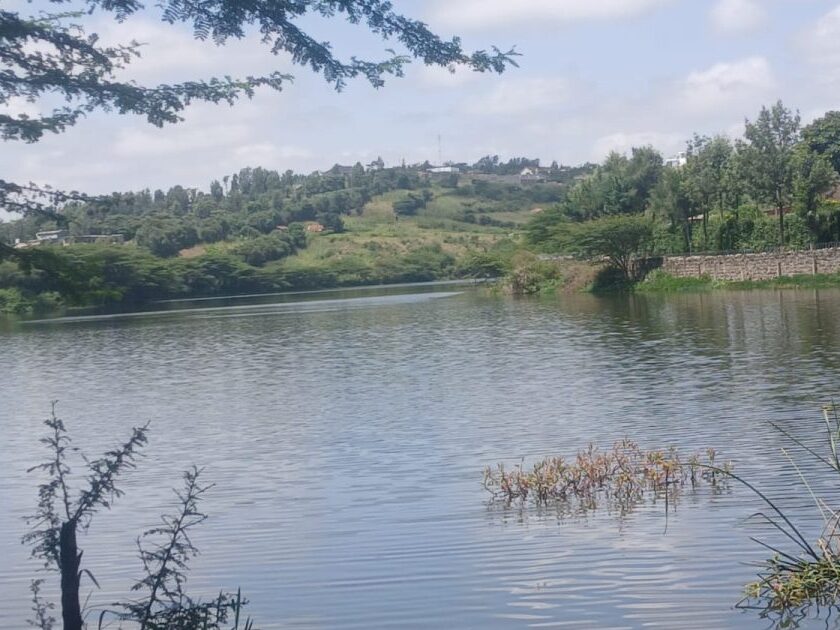
In January 2026, Governor Isaac Mutuma commissioned improvements to the Kathita River intake and a new raw water pipeline serving the Meru Water Treatment Plant.
The World Bank-backed intervention, implemented by Meru Water and Sewerage Services (MEWASS), was designed to stabilise water supply and strengthen infrastructure supporting Meru town and surrounding communities.
The project is particularly important because the Kathita River is among the water sources supporting the town’s supply system. Technical assessments for the wider Meru water supply programme have identified the need for an improved intake, an eight-kilometre raw water transmission pipeline, increased capacity at the Milimani treatment plant and additional storage facilities.
The proposed storage infrastructure includes tanks with capacities of 1,000 and 2,000 cubic metres, alongside rehabilitation of existing facilities at Irinda and Kenya Re.
These improvements are intended to strengthen the ability of the water system to handle demand and provide more consistent supplies to consumers.
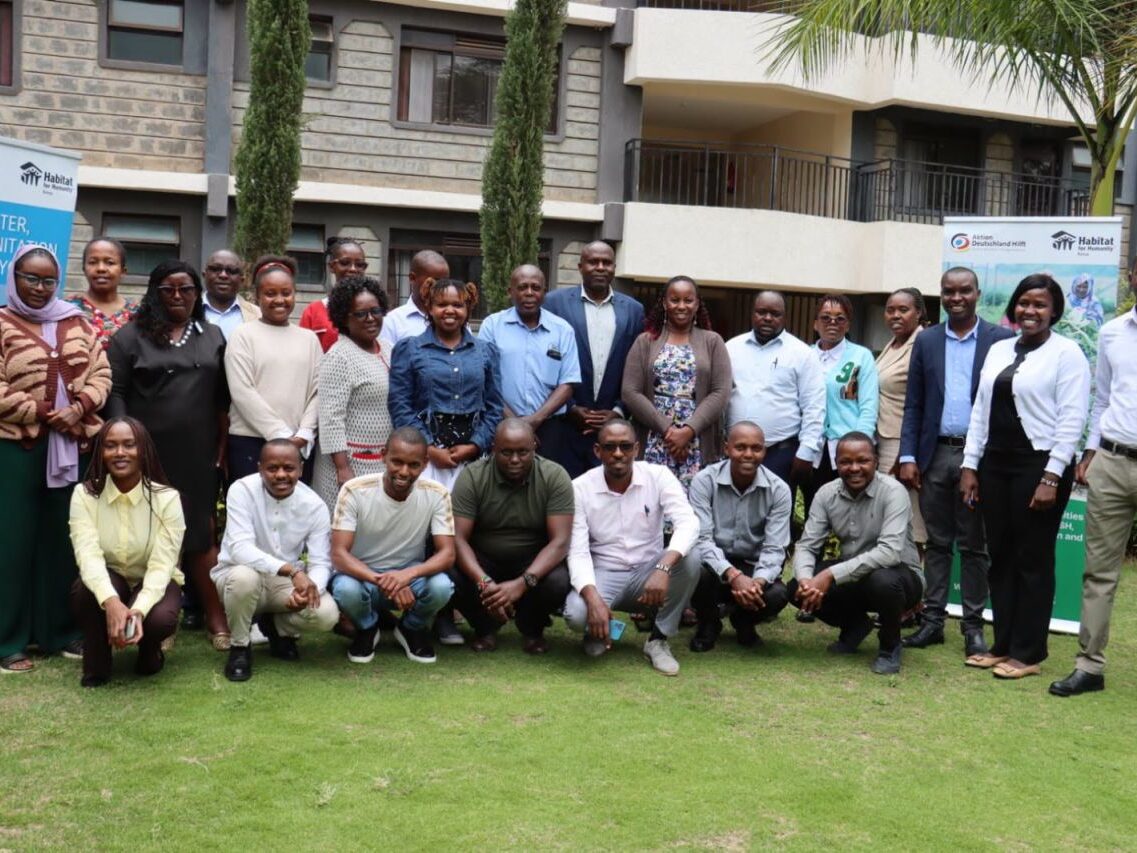
Meanwhile, TWWDA has also been pursuing the Nyambene Hills Wellfields Water Supply Project in the wider Meru region. In April 2025, the agency convened a stakeholder engagement meeting in Maua to discuss the proposed project’s scope, objectives and potential effects on surrounding communities.
The initiative is expected to improve access to safe and reliable water through the development of additional water supply infrastructure. The engagement brought together community representatives, government officials, local leaders and technical experts to discuss the proposed development.
The county’s water challenges have also prompted further interventions in other constituencies. In November 2026, residents of Igembe North welcomed plans by the national government to drill six boreholes to address persistent shortages. The proposed boreholes are expected to supplement existing sources and improve access in communities affected by inadequate supply.
However, increasing water production and constructing additional infrastructure will not be sufficient unless existing networks are properly maintained and managed.
Mugaa has identified non-revenue water as one of the biggest challenges facing Kenya’s water sector, warning that significant volumes of treated water are lost before reaching consumers or generating revenue for utilities.
According to the Water Services Regulatory Board, national non-revenue water stood at 48 per cent, up from 44 per cent in the previous reporting period, translating into estimated annual financial losses of Sh14.8 billion.
The losses arise from leaking pipelines, illegal connections, inaccurate meters and weaknesses in water billing and distribution systems.
The Cabinet Secretary said the government had established specialised Non-Revenue Water Police units at Water Works Development Agency headquarters to support counties in tackling the problem. The units are expected to strengthen enforcement and improve monitoring of water production, consumption and billing.
He challenged water sector stakeholders to take greater responsibility for reducing losses, noting that resources wasted through inefficient systems could instead support the expansion of water infrastructure and improvement of services.
The Meru County Integrated Development Plan for 2023–2027 also identifies the need to rehabilitate existing water schemes, expand distribution pipelines, improve water storage and strengthen the capacity of treatment plants. It further prioritises groundwater development, water quality monitoring and protection of water sources.
The county’s development priorities highlight the importance of combining new infrastructure with catchment conservation and better management of existing water resources.
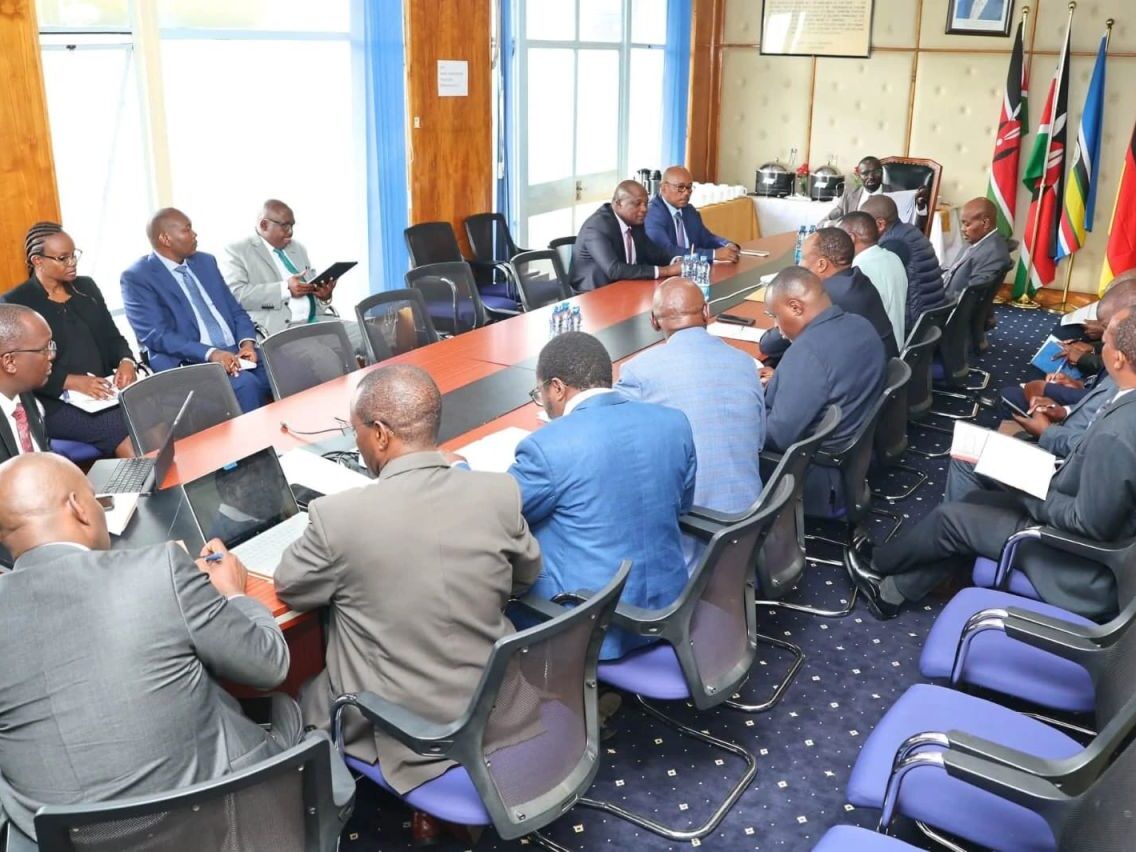
Mugaa has also called for closer cooperation between national and county governments, saying effective water service delivery requires coordinated planning, financing and implementation.
For residents of Meru Central, the immediate priority remains the completion of the Kaari project and the progression of Baraka-Kimuri, Weru and Kaathi Mutethia from proposed developments to actual construction.
The success of the investments will ultimately depend on timely implementation, adequate financing and effective management of the completed infrastructure to ensure that the expected benefits translate into reliable water supplies for households and farmers.