The water flowing from a household tap may look clean, have no unusual smell and appear safe to drink, yet still contain high levels of dissolved minerals. In some homes, water leaves white deposits on kettles, blocks showerheads with scale and makes it difficult to produce foam when washing clothes. In others, soap lathers easily and household appliances remain relatively free of mineral deposits.
These differences are often linked to water hardness, a natural characteristic of water determined mainly by the amount of dissolved calcium and magnesium it contains.
In Kenya, understanding the difference between hard and soft water is important because households obtain their supplies from different sources, including rivers, dams, boreholes, springs and groundwater aquifers. The mineral composition of water can vary depending on the rocks and soils through which it passes before reaching a treatment plant, borehole or household tap.
Water hardness is measured by the concentration of calcium and magnesium, usually expressed in milligrams per litre (mg/L) of calcium carbonate (CaCO₃). These minerals enter water naturally as it moves through rocks and soil. The longer water remains in contact with mineral-rich rocks, the more minerals it may dissolve.
Hard water contains relatively high concentrations of these minerals, while soft water contains lower concentrations. Neither type is automatically dirty or contaminated. The distinction is primarily chemical and affects how water behaves during household activities.
For example, a family using hard water may notice that soap does not produce enough foam when washing clothes, bathing or cleaning utensils. This happens because calcium and magnesium react with soap to form an insoluble substance commonly known as soap scum. As a result, households may use more soap and detergent to achieve the same cleaning effect.
Another common sign is the formation of white or chalky deposits on the inside of kettles, cooking pots, water heaters, taps and showerheads. These deposits, known as limescale, develop when dissolved minerals precipitate out of water, particularly during heating. Over time, the accumulation can reduce the efficiency of water-heating appliances, increase energy consumption and contribute to blockages in pipes and fittings.
Soft water behaves differently. It generally allows soap and detergents to produce foam more easily, meaning households may require smaller quantities of cleaning products. It also leaves fewer mineral deposits on household appliances and plumbing fixtures.
However, naturally soft water is not necessarily better in every respect. Water with very low mineral content can be more corrosive under certain chemical conditions, potentially affecting pipes and plumbing materials. This is why water treatment specialists consider several factors, including pH, alkalinity and mineral composition, rather than simply trying to remove all minerals.
In Kenya, the difference can be particularly relevant to households relying on boreholes and shallow wells. Unlike treated water supplied through municipal distribution networks, groundwater interacts directly with the geological formations beneath the surface.
A 2016 study examining groundwater quality in Garissa County found high total hardness in some of the sampled water sources, alongside elevated levels of other parameters, including fluoride, chloride and turbidity. The research examined boreholes, water pans, sections of the Tana River, shallow wells and springs.
Research in Makueni County has also demonstrated how geological conditions influence groundwater composition. A study published in 2020 examined 20 water sources, including boreholes, shallow wells, streams and tap water. It found that concentrations of hardness, calcium, magnesium and other dissolved substances exceeded drinking-water limits in some samples. The researchers identified rock weathering and evaporation as important factors influencing groundwater quality.
Along the Coast, research conducted in Kilifi County found that groundwater from sampled boreholes and shallow wells had hardness levels ranging between 50mg/L and 150mg/L. The study also identified other water-quality challenges, including salinity and bacterial contamination.
These findings do not mean that every borehole in these counties supplies hard water. Conditions can differ considerably between neighbouring water sources depending on their depth, geological setting and the surrounding environment.
In Kenya, drinking-water quality is guided by the Kenya Bureau of Standards (KEBS) through KS EAS 12:2018, which specifies requirements for potable water. The Kenyan standard sets 300mg/L as the maximum total-hardness value.
An important question for consumers is whether hard water is safe to drink. According to the World Health Organization (WHO), water hardness at the levels normally encountered in drinking water is not considered a health concern. The organisation has not established a health-based guideline value for hardness.
This is because calcium and magnesium are naturally occurring minerals that the human body needs. Drinking water can contribute to people’s daily intake of both minerals, although the amount varies depending on the source. However, the presence of these minerals does not automatically make water safe for consumption.
A household should therefore not assume that water is safe simply because it is soft, or unsafe because it is hard. Water can have low hardness and still contain disease-causing microorganisms, excessive fluoride, nitrates, arsenic or other unwanted substances. Equally, water with high hardness may be microbiologically safe if it meets the required standards for other quality parameters.
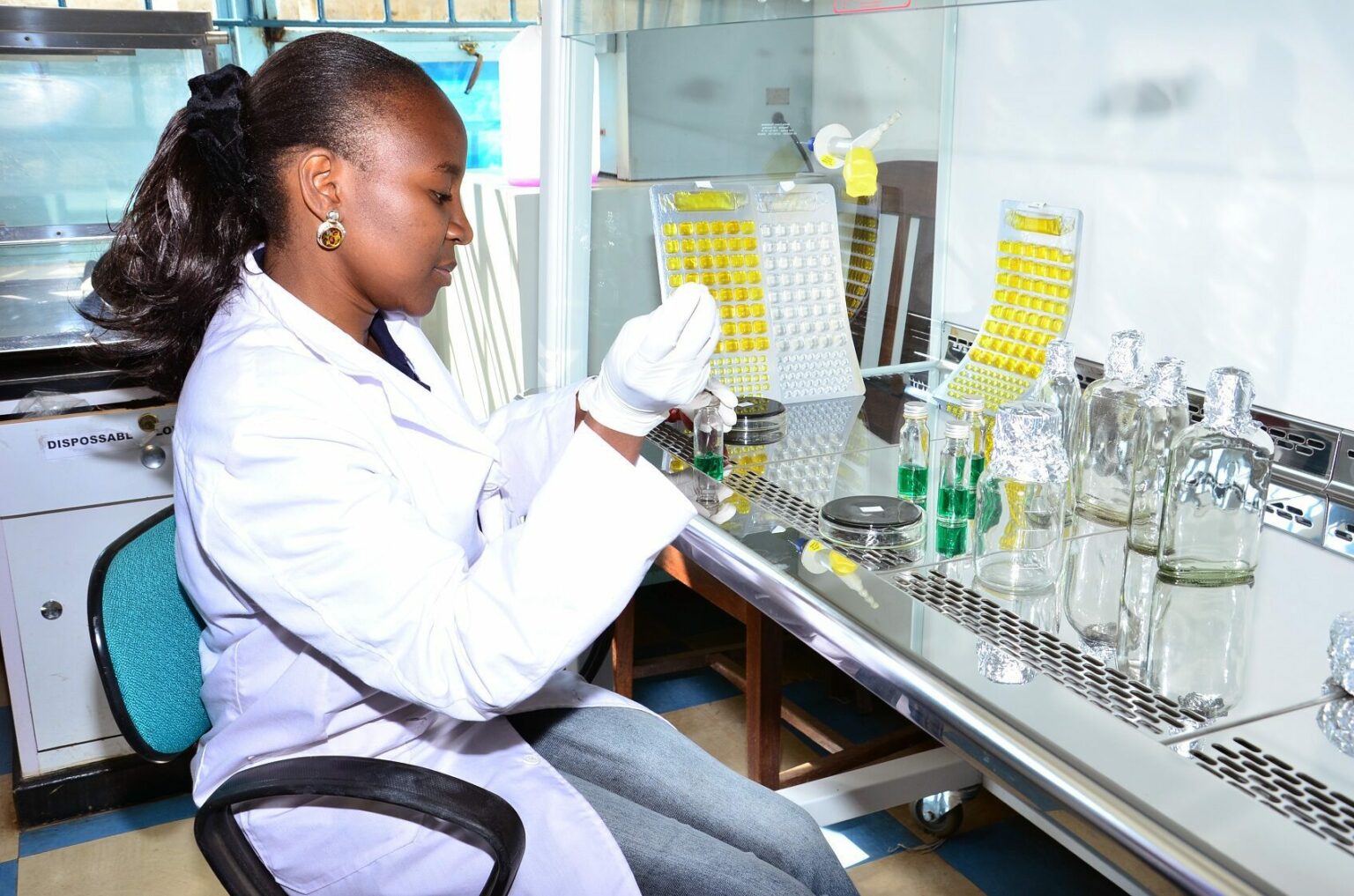
For households relying on private boreholes, water tanks and shallow wells, the most reliable way to establish water quality is through laboratory testing. Testing should examine total hardness, calcium, magnesium, pH, electrical conductivity, total dissolved solids, fluoride and microbiological indicators such as E. coli.
Consumers can also look out for practical signs of hardness, including persistent white deposits in kettles, soap that struggles to lather and scale around taps. However, these observations are not substitutes for laboratory analysis.
Where hardness is excessive, water treatment technologies can help reduce mineral concentrations. These include ion exchange, lime softening and membrane filtration, depending on the chemical composition of the water and the intended use. Treatment should be selected based on laboratory results rather than assumptions about the source.
For Kenya, the wider lesson is that water quality is not determined by appearance alone. As the country expands access to groundwater, boreholes and other alternative supplies, testing must go beyond establishing whether water is available. It must also determine what the water contains and whether its chemical and biological composition meets drinking-water requirements.
Ultimately, the difference between hard and soft water is the concentration of dissolved minerals, particularly calcium and magnesium. Understanding that distinction helps households make informed decisions about water treatment, protect their plumbing and appliances, and avoid confusing mineral content with drinking-water safety.