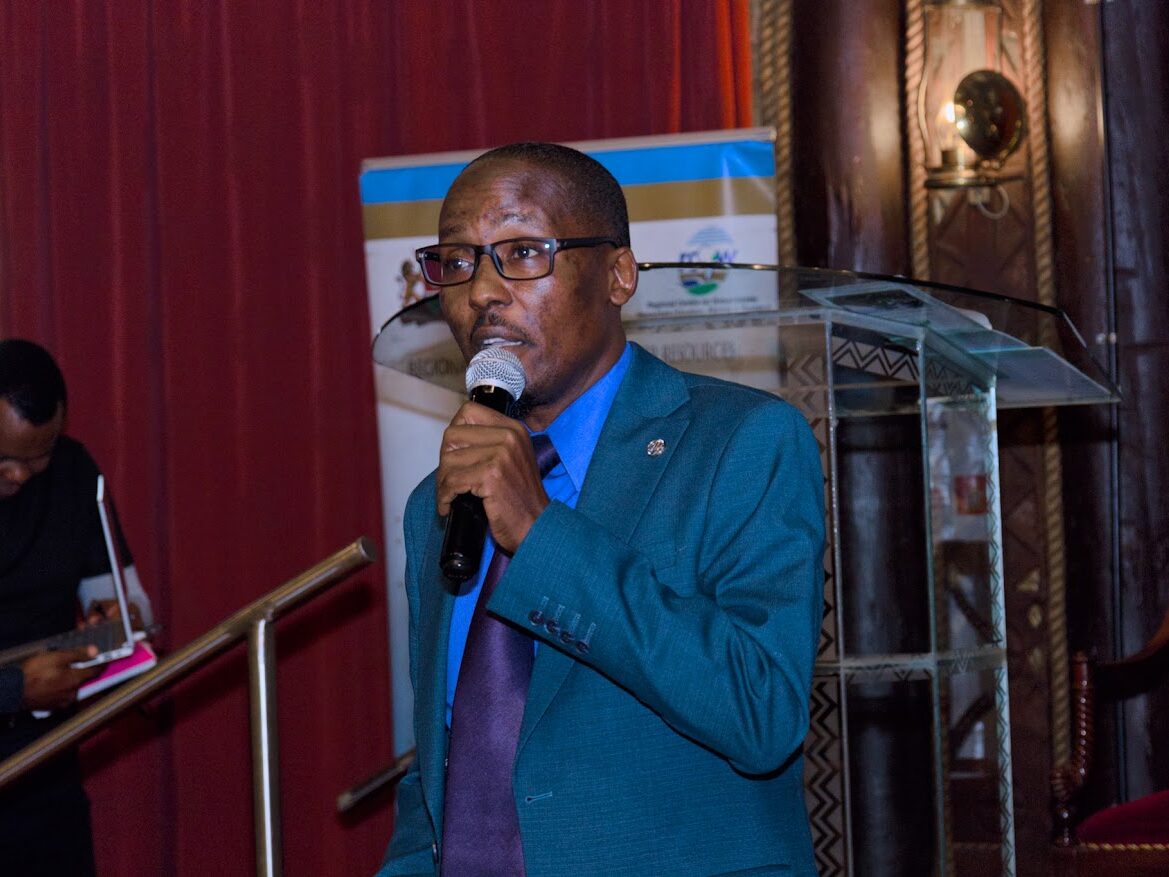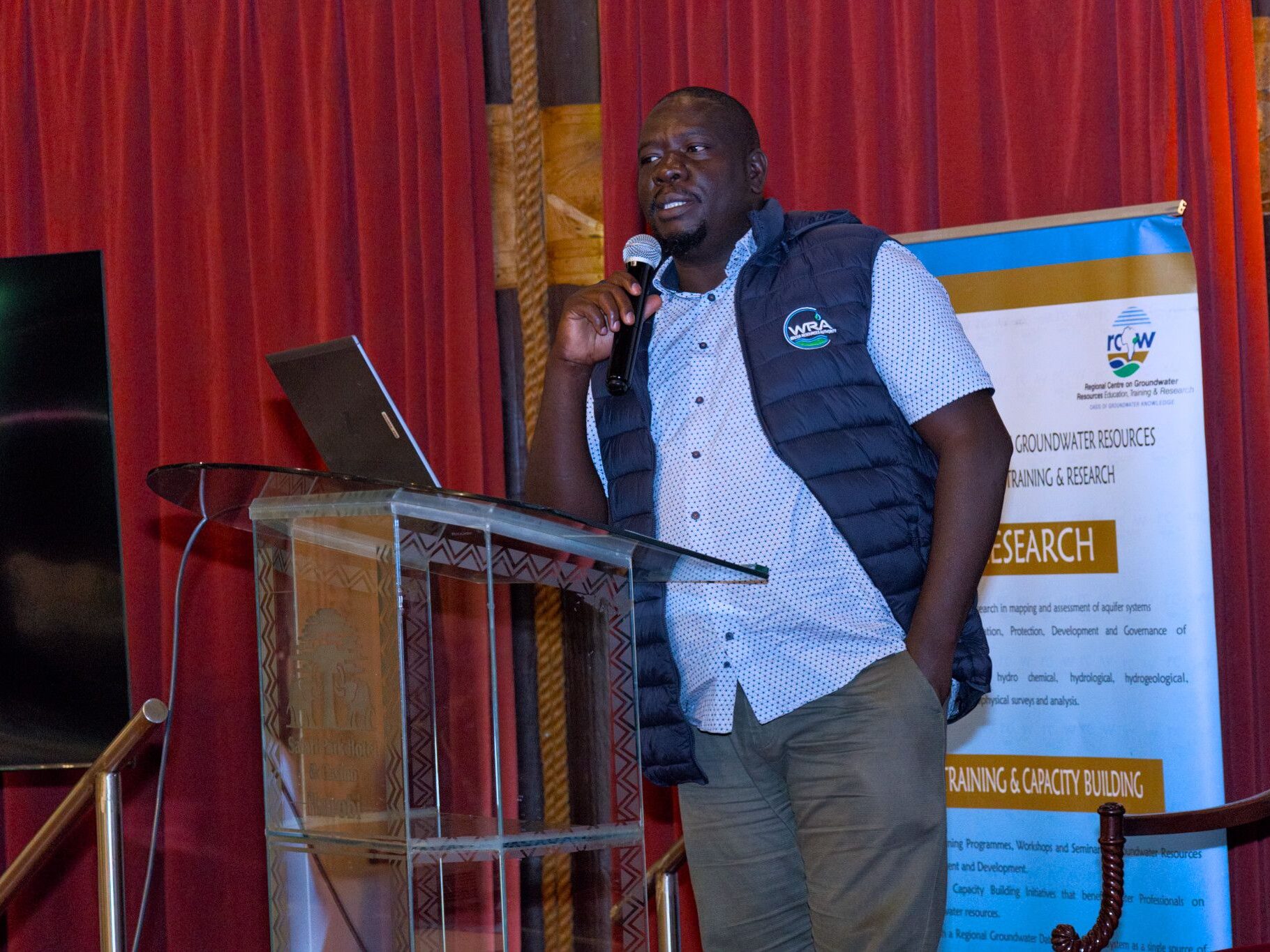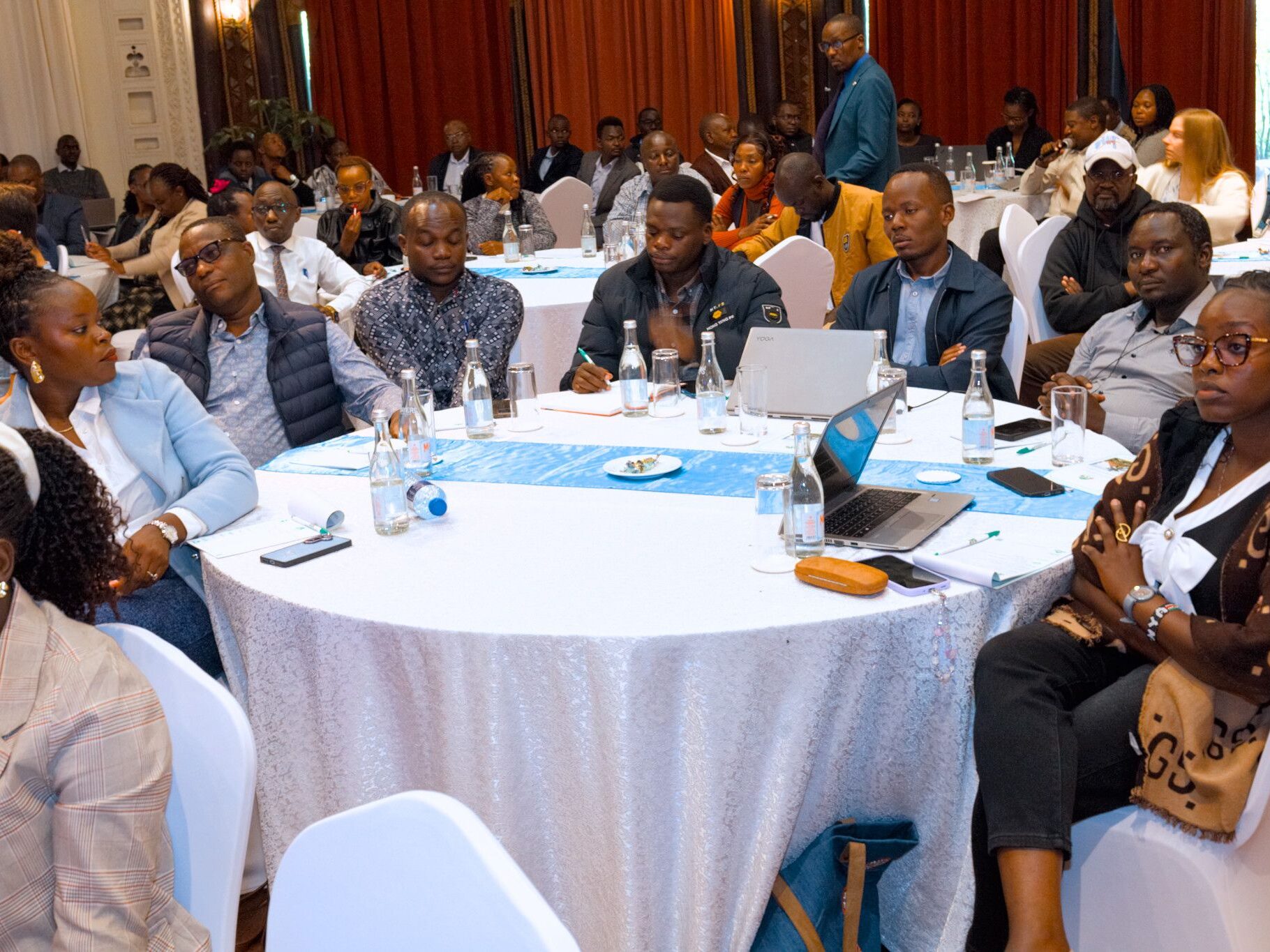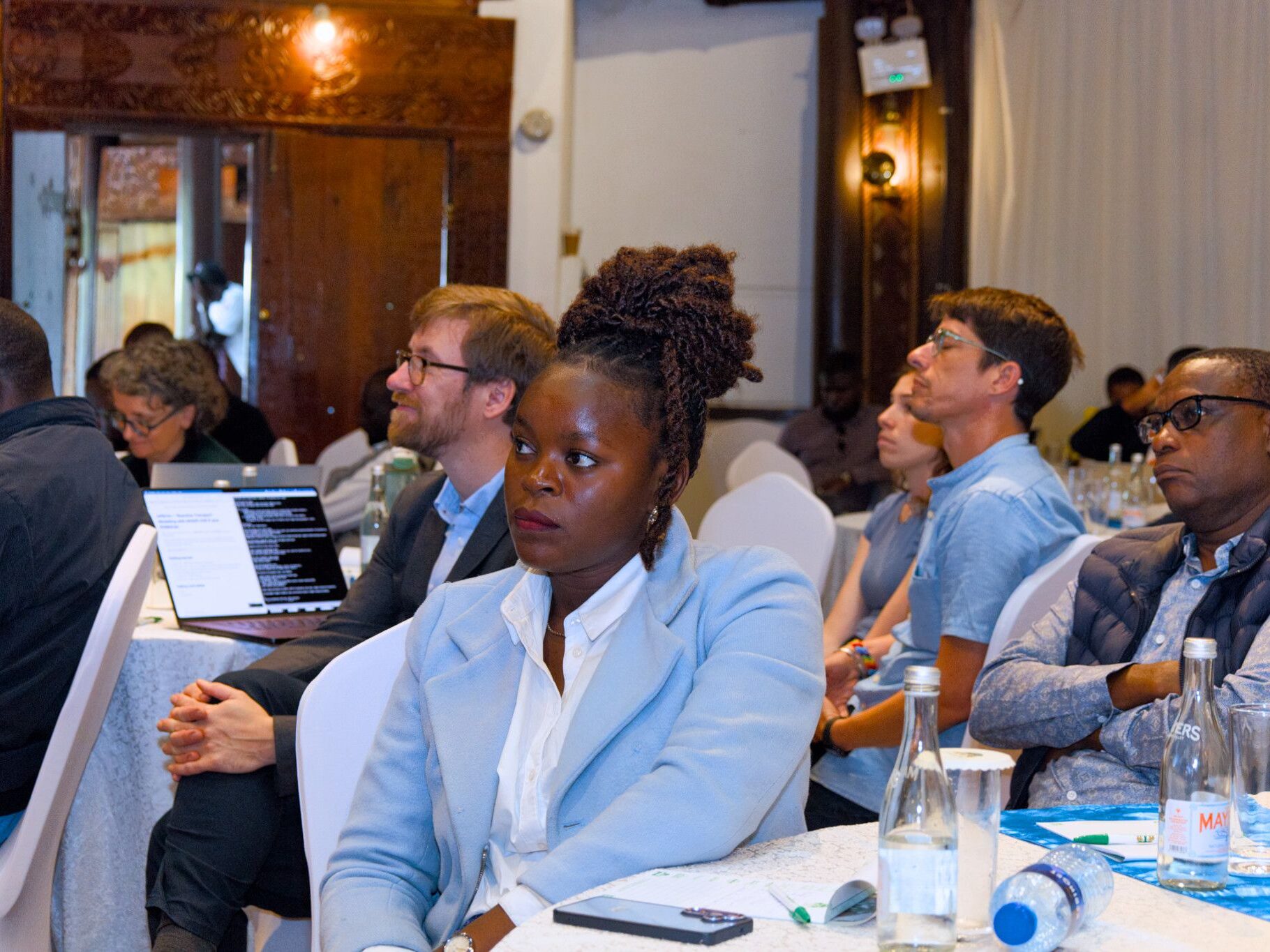
Kenya’s efforts to improve the understanding and management of underground water resources in Nairobi have come under scrutiny, with experts questioning whether new groundwater mapping interventions will adequately address challenges already documented in previous scientific studies. The concerns emerged during the GROWANA stakeholder and technical workshop held at Safari Park Hotel and Casino, where participants examined the project’s progress, the potential of Managed Aquifer Recharge (MAR) and the long-term sustainability of groundwater resources within the Nairobi Aquifer System.
Some stakeholders questioned the suitability of concentrating research activities around Nairobi, arguing that previous investigations had already identified significant groundwater challenges without necessarily providing encouraging results for sustainable resource development. They cited research involving the Kenyatta International Convention Centre (KICC) monitoring area and raised concerns about environmental pollution, including the condition of Kiserian Dam in neighbouring Kajiado County. One participant suggested that the project should consider extending its investigations to other counties instead of concentrating on Nairobi, arguing that groundwater research should explore opportunities across a wider geographical area.
However, GROWANA Acting official Patrick Murunga defended the project’s geographical approach, explaining that its activities were not restricted by administrative boundaries. “We are not limited to our geological boundaries,” Murunga said. His response highlighted the importance of approaching groundwater management according to geological formations and aquifer systems, which do not necessarily follow county or national administrative boundaries. This means that investigations can extend beyond Nairobi where geological evidence establishes connections with other groundwater-bearing formations.
The concerns raised at the workshop come against the background of scientific research showing that Nairobi’s underground water reserves are facing increasing pressure from urbanisation and rising abstraction. A study published in the Hydrogeology Journal in 2020 by researchers Samson Oiro, Jean-Christophe Comte, Chris Soulsby, Alan MacDonald and Canute Mwakamba found that groundwater abstraction in the Nairobi Aquifer System increased approximately tenfold between the mid-1970s and 2017. The researchers also established that groundwater levels beneath Nairobi had declined at a median rate of approximately six metres per decade since 1950, pointing to the growing pressure placed on underground reserves by increasing demand.
The study warned that continued groundwater extraction could further reduce underground reserves and affect rivers and springs that depend on groundwater discharge. Its findings reinforced the need for integrated management of surface water and groundwater, including improved monitoring and more effective control of abstraction. These findings provide important context for the questions raised during the GROWANA workshop, particularly on whether new investigations will translate into practical measures that protect existing reserves while addressing the city’s growing water requirements.
The GROWANA initiative is seeking to improve scientific understanding of underground geological formations through advanced mapping technologies and technical cooperation between Kenyan and Danish institutions. The partnership involves the Regional Centre on Groundwater Resources Education, Training and Research (RCGW) and international technical partners, including the Geological Survey of Denmark and Greenland (GEUS). One of its major components involves SkyTEM airborne electromagnetic technology, which uses sensors mounted on aircraft to investigate underground geological structures and identify formations that may contain groundwater. Information collected through these investigations is expected to support the development of detailed three-dimensional models that can improve understanding of aquifer formations and groundwater movement.
The resulting information is expected to support decisions on borehole drilling, groundwater monitoring, abstraction management and the identification of suitable locations for groundwater recharge. This is particularly important in Nairobi, where rapid urban expansion has increased pressure on water resources while construction and changes in land use have affected the natural environment. Improved geological information could help authorities identify areas with groundwater potential, but the availability of underground water alone does not guarantee that it can be sustainably extracted or safely used without proper assessment.
Managed Aquifer Recharge is another important component of the initiative. The approach involves directing suitable water into underground geological formations for storage and possible recovery during periods of increased demand or reduced rainfall. For Nairobi, the intervention could provide an additional way of managing stormwater while improving groundwater replenishment, provided suitable geological conditions, water quality and environmental safeguards are established. Its application would therefore require detailed investigations to determine which locations can accommodate recharge and whether the water being introduced meets the necessary quality standards.
A separate 2022 study examining groundwater recharge, abstraction and water quality in the Nairobi Aquifer System analysed samples from 100 boreholes alongside monitoring information from the Water Resources Authority. Its findings reinforced the importance of considering groundwater abstraction and recharge together when managing the availability and quality of underground water. Such research demonstrates that groundwater management requires more than identifying underground reserves, as the sustainability of the resource also depends on extraction rates, natural replenishment and protection against contamination.
The discussions at Safari Park therefore highlighted a central challenge facing GROWANA: translating improved geological information into practical measures that protect existing groundwater reserves rather than simply identifying additional locations for extraction. Stakeholders’ concerns also placed emphasis on the need to demonstrate how the project will build on previous investigations, address existing research gaps and extend its benefits to other areas where geological conditions present opportunities for sustainable groundwater management.
As Nairobi continues to expand and demand for water increases, the long-term success of groundwater interventions will depend on reliable monitoring, control of excessive abstraction, protection of recharge areas and stronger coordination among institutions responsible for water resources and urban development. The project’s ability to respond to the questions raised by stakeholders will be important in demonstrating how advanced groundwater mapping and recharge interventions can contribute to more sustainable water security in Nairobi and beyond.