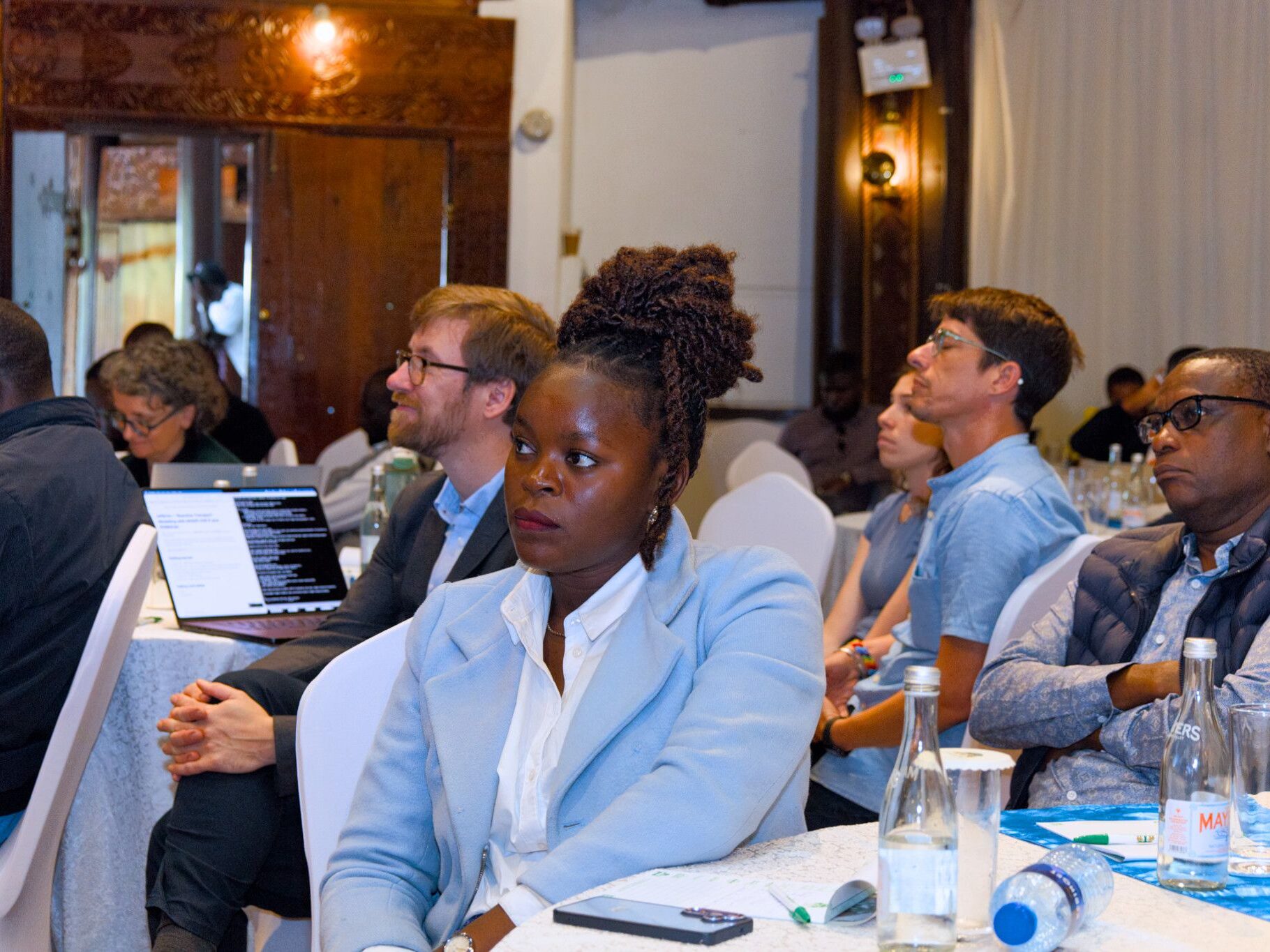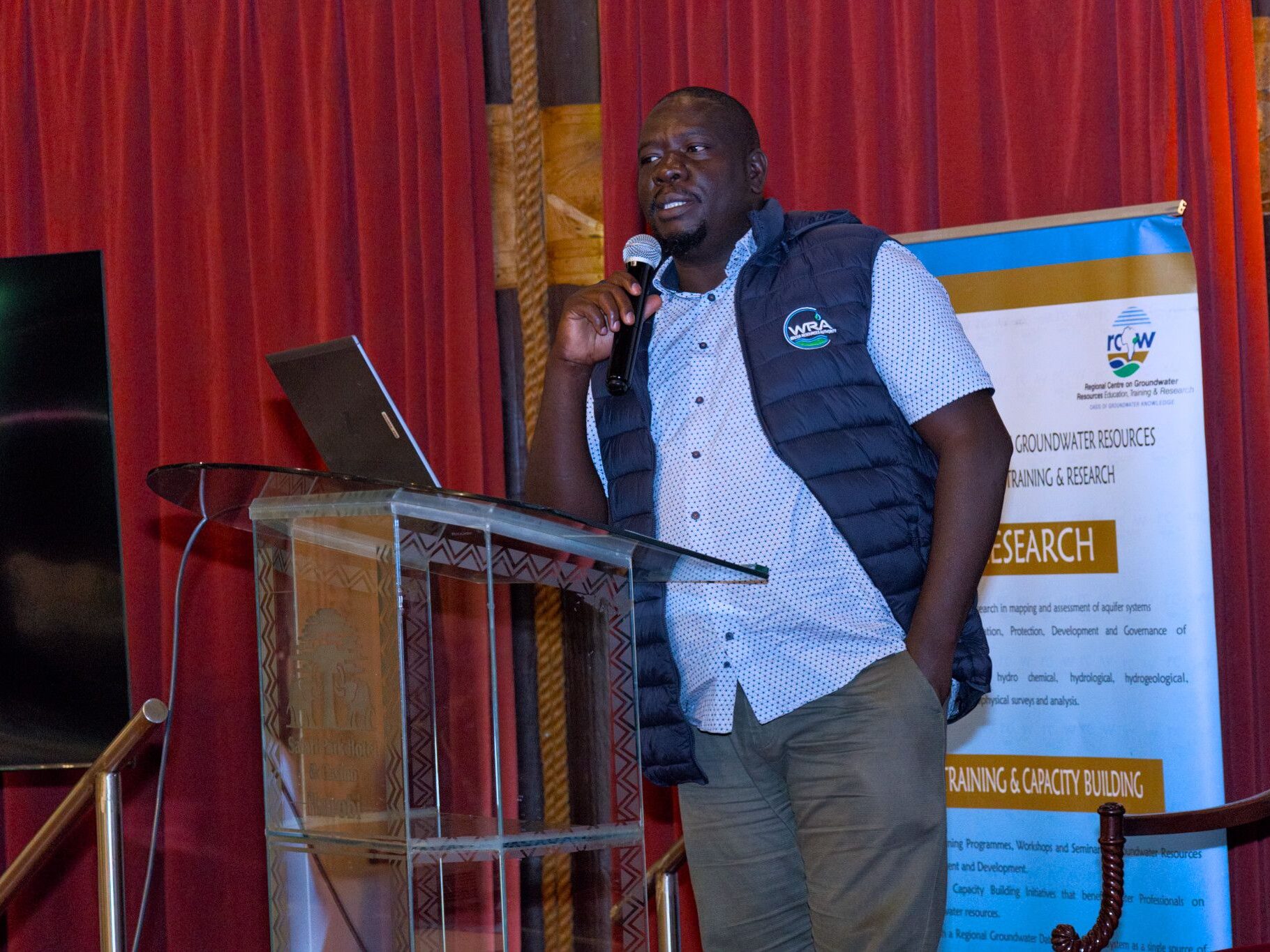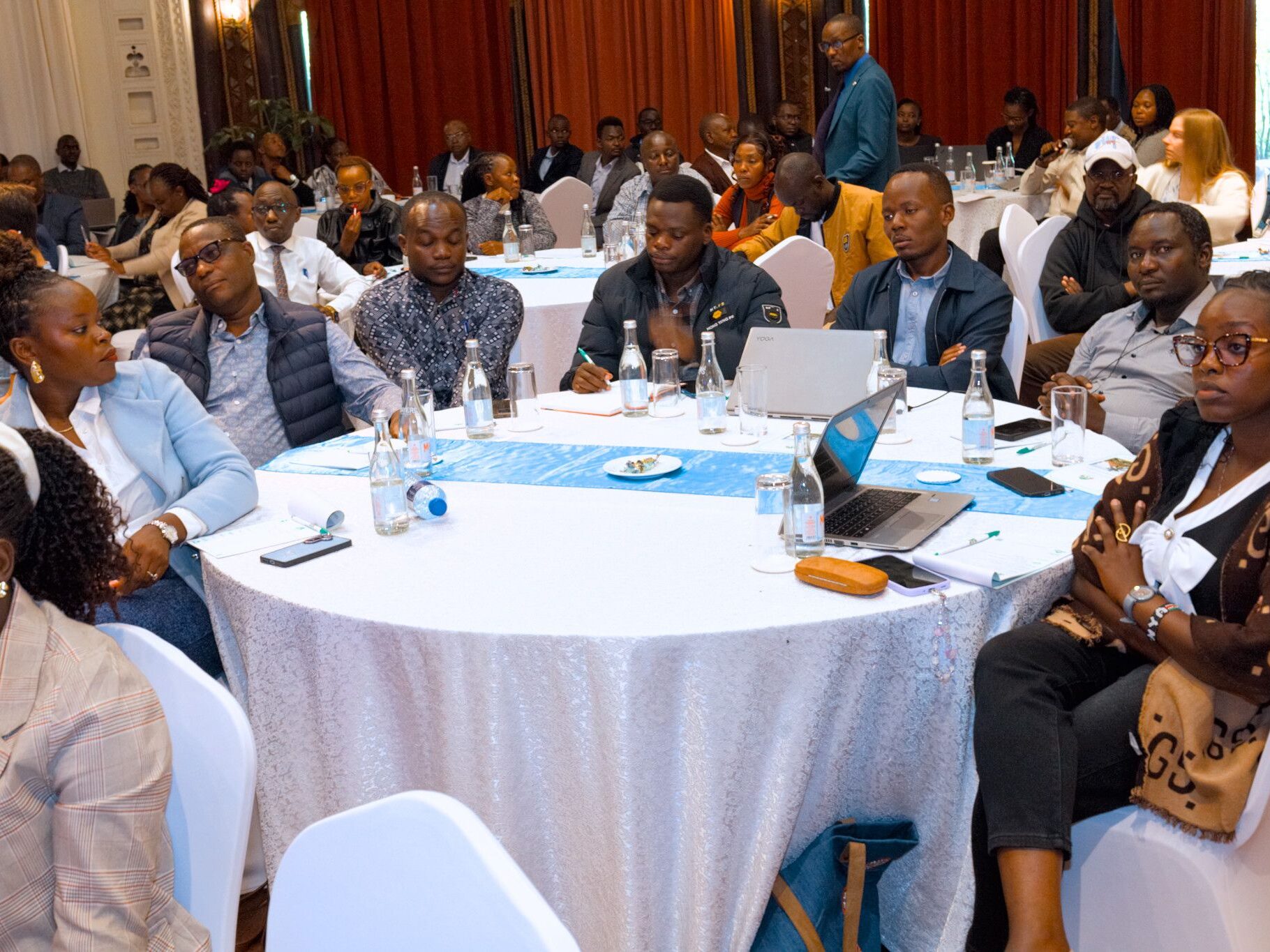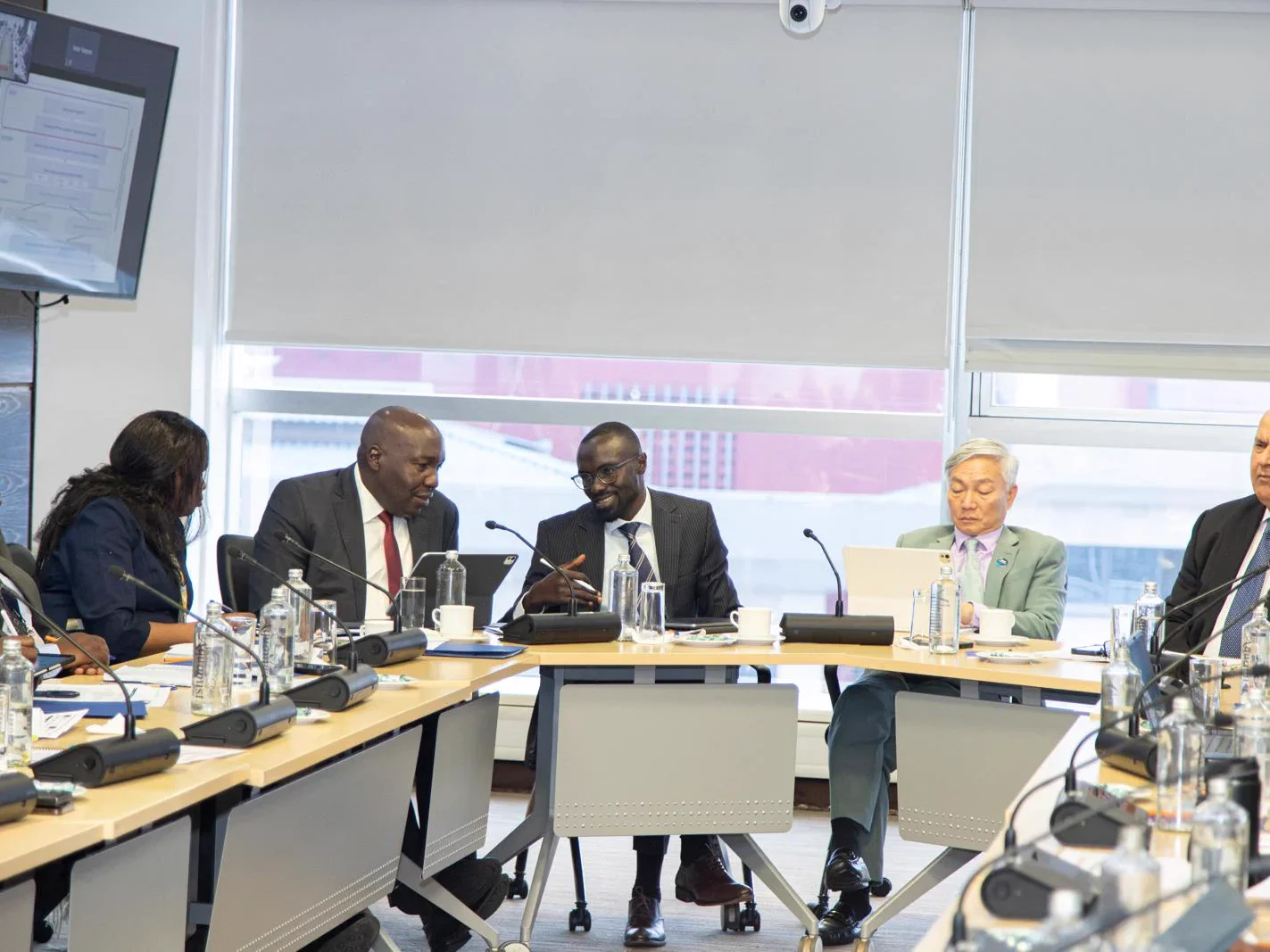









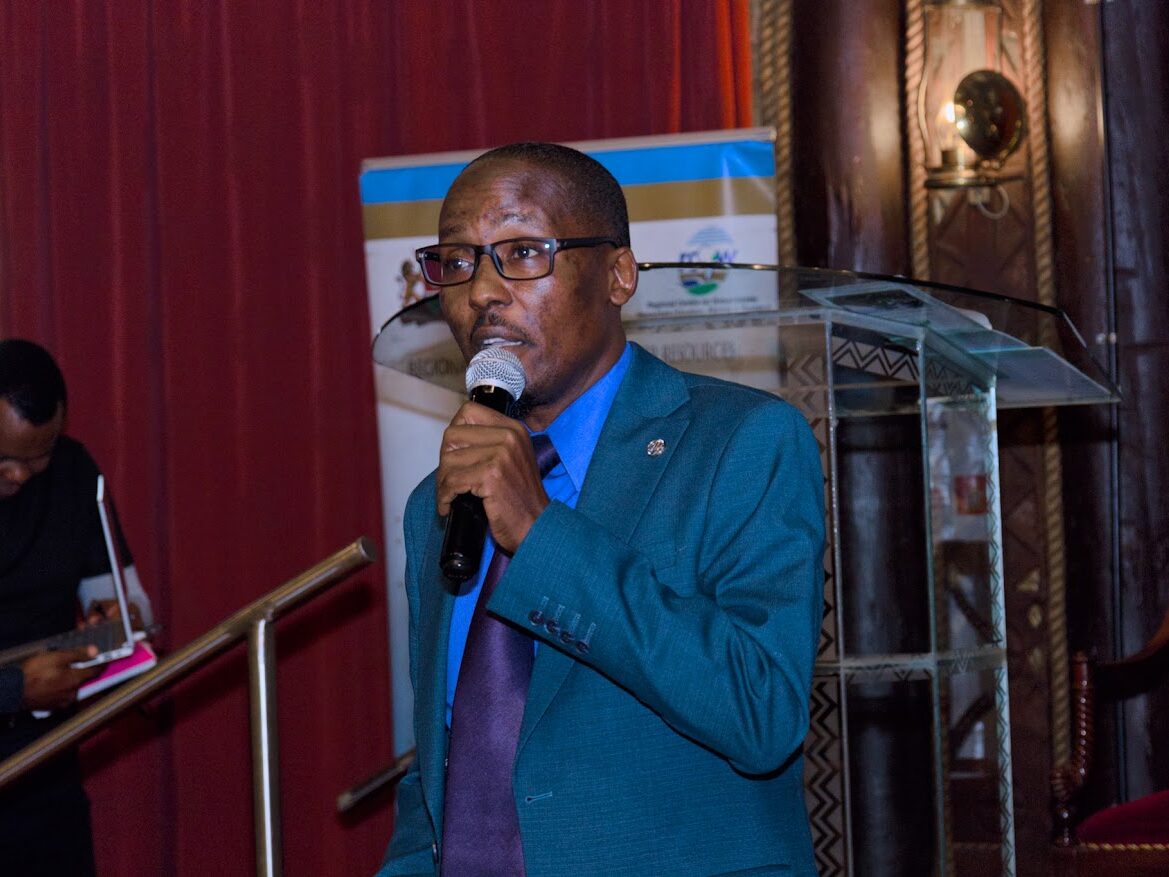
Patrick Murunga CEO Regional Centre on Groundwater Resources Education, Training & Research (RCGW) speaking during stakeholder workshop at Safari Park Hotel and Casino on 17.11.2026
Kenya’s efforts to embrace artificial intelligence (AI) in water management are facing a major challenge, with limited availability of reliable data emerging as a significant obstacle to the adoption of technologies that could improve water supply, groundwater monitoring, irrigation and water-resource planning.
The challenge was highlighted by Prof. Zacharia Kuria during the GROWANA stakeholder workshop held on November 17, 2026, at Safari Park Hotel and Casino in Nairobi, where researchers, government representatives, water experts and development partners discussed scientific innovation and sustainable groundwater management.
Prof. Kuria observed that the water sector still has limited data to support the effective application of artificial intelligence, pointing to the need for stronger information collection, management and sharing systems before institutions can fully benefit from emerging technologies.
His observation raises an important question about Kenya’s readiness to adopt advanced digital solutions when some institutions are still struggling to establish comprehensive databases and monitoring systems. Although AI can analyse large volumes of information, identify patterns and generate predictions, its effectiveness depends on the availability of accurate, consistent and regularly updated data.
In water management, such information includes groundwater levels, borehole yields, rainfall patterns, river flows, reservoir storage, water quality, consumption levels and infrastructure performance. Without comprehensive records, AI systems may struggle to generate reliable forecasts or recommendations for planning and operational decisions.
The challenge is particularly significant for water utilities, which could use AI to identify pipeline leakages, predict equipment failures, forecast consumer demand and improve revenue collection. Smart monitoring systems can analyse changes in water pressure and consumption to identify unusual patterns that may indicate leakages or illegal connections. However, these applications require reliable information from water meters, distribution networks and operational databases.
Kenya continues to experience substantial water losses across its distribution systems. The Water Services Regulatory Board’s Impact Report 18, covering the 2024/2025 financial year, placed national non-revenue water at approximately 48 per cent, meaning nearly half of the water produced by utilities was not billed. The losses are associated with physical leakages, illegal connections, meter inaccuracies and weaknesses in commercial controls.
Artificial intelligence could help utilities analyse production and consumption records to identify areas experiencing unusually high losses and prioritise repairs. It could also support predictive maintenance by identifying equipment performance patterns that indicate potential failures before they cause major service interruptions. However, without reliable operational data, the potential benefits remain difficult to realise.
The data challenge also affects groundwater management, where scientific information is essential for understanding the availability, distribution and sustainability of underground water resources. Kenya increasingly depends on groundwater to supplement surface water supplies, particularly in arid and semi-arid regions where rainfall is unreliable and communities rely heavily on boreholes.
Monitoring groundwater requires information on aquifer characteristics, water levels, abstraction rates, recharge patterns and water quality. Such records help authorities determine how much water can be extracted without undermining the long-term sustainability of underground reserves.
The GROWANA project is among the initiatives seeking to strengthen this scientific foundation through advanced groundwater investigations. The two-year Kenya-Denmark partnership, running from October 2025 to October 2027, is undertaking research on the Nairobi Aquifer System using SkyTEM airborne electromagnetic technology to improve understanding of underground geological formations.
An airborne survey conducted between March 5 and March 31, 2026, is expected to support the development of detailed two-dimensional and three-dimensional hydrogeological models. The information will help researchers identify groundwater-bearing formations and improve understanding of the structure and characteristics of the aquifer system.
During the November 17 workshop, experts also examined the potential of Managed Aquifer Recharge (MAR) as a way of improving groundwater sustainability. MAR involves directing suitable water into underground formations for storage and future use, helping replenish aquifers and strengthen water availability.
Dr Samson Oiro of the Water Resources Authority presented on whether Managed Aquifer Recharge could support sustainable groundwater use in Nairobi, while Philip Emekwi presented six proposed MAR pilot sites within the Nairobi Aquifer System.
The discussions demonstrated how better scientific information can support decisions on groundwater recharge, site selection and sustainable abstraction. They also highlighted the importance of maintaining reliable monitoring records to assess changes in groundwater levels and determine whether recharge interventions are producing the intended results.
Such information could eventually support AI applications capable of analysing groundwater trends, identifying areas experiencing declining water levels and helping authorities anticipate periods of water stress. Combining geological models with continuous monitoring data could also improve assessments of groundwater availability and guide investment in boreholes and recharge infrastructure.
However, the adoption of AI in the water sector faces challenges beyond data availability. The cost of acquiring smart meters, sensors, communication networks, data storage facilities and specialised software remains a concern for institutions operating under financial pressure.
Water utilities must also invest in personnel capable of operating digital systems and interpreting the information generated. This requires collaboration between water engineers, hydrologists, data scientists and technology specialists to ensure that AI applications address actual operational and resource-management needs.
Fragmented information systems across government agencies, county governments, regulators, research institutions and water service providers further complicate the situation. Different organisations collect information for different purposes, making it difficult to combine datasets into comprehensive systems that support decision-making across the water sector.
Kenya’s National Artificial Intelligence Strategy 2025–2030, launched in March 2025, provides a broader framework for developing the country’s AI capabilities. The strategy identifies digital infrastructure, data ecosystems, and AI research, innovation and commercialisation as its three main pillars. Its implementation provides an opportunity for water institutions to develop practical applications addressing challenges such as water losses, drought forecasting, groundwater monitoring and irrigation management.
For the water sector, translating this ambition into practical results will require investment in digital monitoring infrastructure, improved data collection and stronger cooperation among institutions. Water agencies will also need to establish systems that allow information to be shared securely and consistently while supporting research and the development of locally relevant technologies.
Universities and research institutions could contribute by developing AI models suited to Kenya’s hydrological conditions, while development partners and technology companies could support the financing and deployment of monitoring systems. Training water-sector professionals will also be essential to ensure that institutions can maintain and use these technologies beyond individual projects.
The discussions at the GROWANA workshop therefore highlighted an important foundation for technological transformation: Kenya must first strengthen the quality and availability of its water data before expecting artificial intelligence to deliver significant improvements.
As the country faces growing pressure to secure water supplies, reduce distribution losses and manage groundwater sustainably, AI offers opportunities to improve planning and operational efficiency. However, its success will depend not simply on acquiring advanced technology, but on the ability of water institutions to collect reliable information, interpret it and translate scientific insights into practical decisions.