






Homa Bay County Water and Sanitation Company (HOMAWASCO) has reviewed the implementation of eight water and sanitation improvement programmes supported by Dutch development partners as part of efforts to strengthen operational efficiency, reduce water losses and improve service delivery.
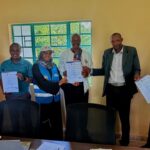
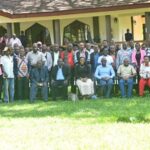
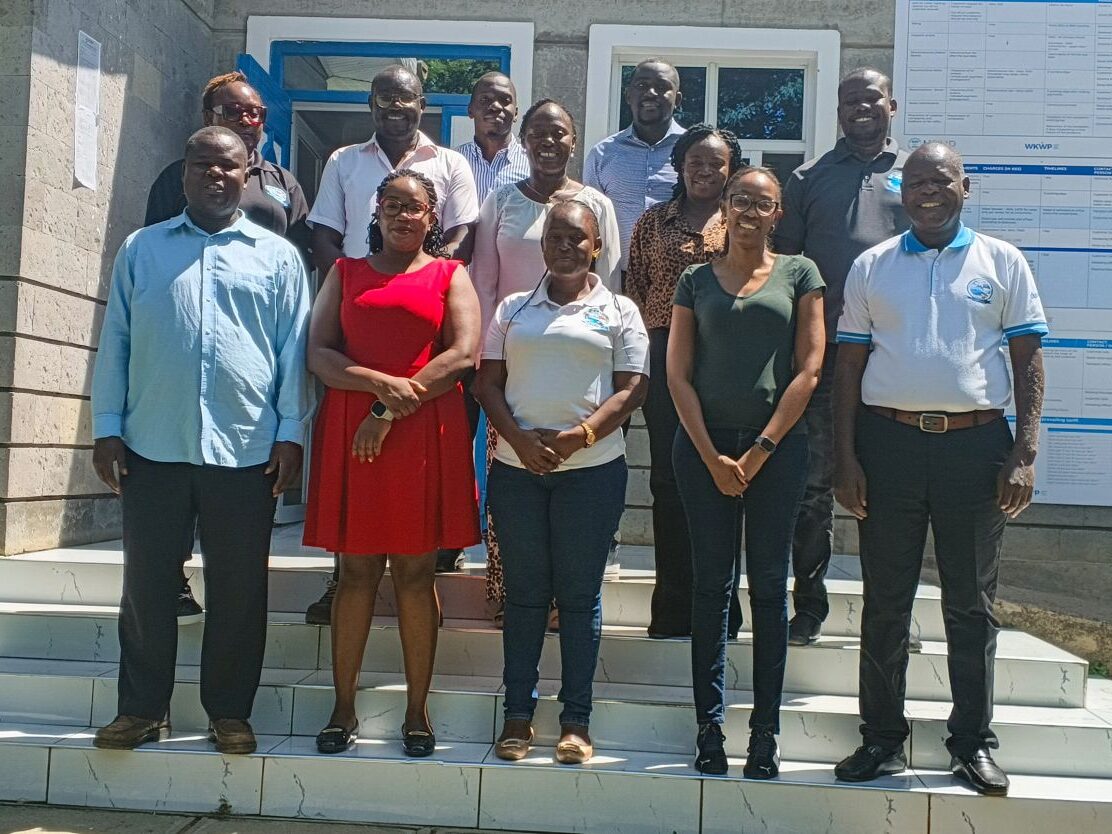
The company’s management, led by Managing Director Thomas Nyonje, held a consultative meeting with the VEI team to assess progress under the ongoing Dunea/VEI-supported work packages, identify outstanding activities and address challenges affecting implementation.
The meeting focused on evaluating achievements made so far and agreeing on measures to accelerate pending activities to ensure the programme is completed within the agreed timelines.
The eight work packages cover non-revenue water reduction, information and communication technology, institutional policies and strategies, wastewater and sanitation, asset management, water safety plans and climate resilience, water quality, and geographic information systems.
Reducing non-revenue water (NRW) was among the key areas under review, reflecting the importance of addressing water losses that affect the amount of treated water reaching consumers and the revenue collected by utilities.
Improving water accounting, identifying leakages, strengthening metering and enhancing network management are important interventions for utilities seeking to increase efficiency without necessarily expanding production capacity.
The ICT and geographic information systems components are also expected to strengthen the company’s ability to manage operational information, map water infrastructure and make informed decisions when planning maintenance and network expansion.
The asset management work package focuses on improving how the utility manages its infrastructure, including pipelines, treatment facilities and other critical installations. Effective asset management helps water companies identify maintenance priorities, reduce breakdowns and extend the useful life of infrastructure.
On sanitation, the programme includes wastewater management interventions aimed at strengthening services and improving environmental protection. Proper wastewater collection and treatment are essential in reducing pollution risks and protecting rivers and other water resources.
The water quality and safety components are equally important in ensuring that consumers receive safe water. Water Safety Plans provide a framework for identifying potential contamination risks throughout the supply chain, from water sources and treatment facilities to distribution networks.
The inclusion of climate resilience in the programme also highlights the need for water utilities to prepare for climate-related pressures such as droughts, flooding and changing water availability, which can disrupt supply systems and affect infrastructure.
Following the discussions, HOMAWASCO and the VEI team reaffirmed their commitment to strengthening collaboration, improving implementation efficiency and resolving outstanding issues within the agreed timelines.
The review provides an opportunity to align technical support with the utility’s operational priorities while ensuring that the different work packages contribute towards measurable improvements in water and sanitation services.
For Homa Bay residents, the success of the programme will depend on how effectively the interventions translate into reduced water losses, improved infrastructure management, safer drinking water and more reliable sanitation services.
HOMAWASCO said it would continue working with its development partners to strengthen institutional capacity and improve the sustainability of water and sanitation services across Homa Bay County.