






African water sector leaders are calling for stronger partnerships, improved utility management and increased investment in water infrastructure as governments and service providers seek to address persistent water supply challenges across the continent.
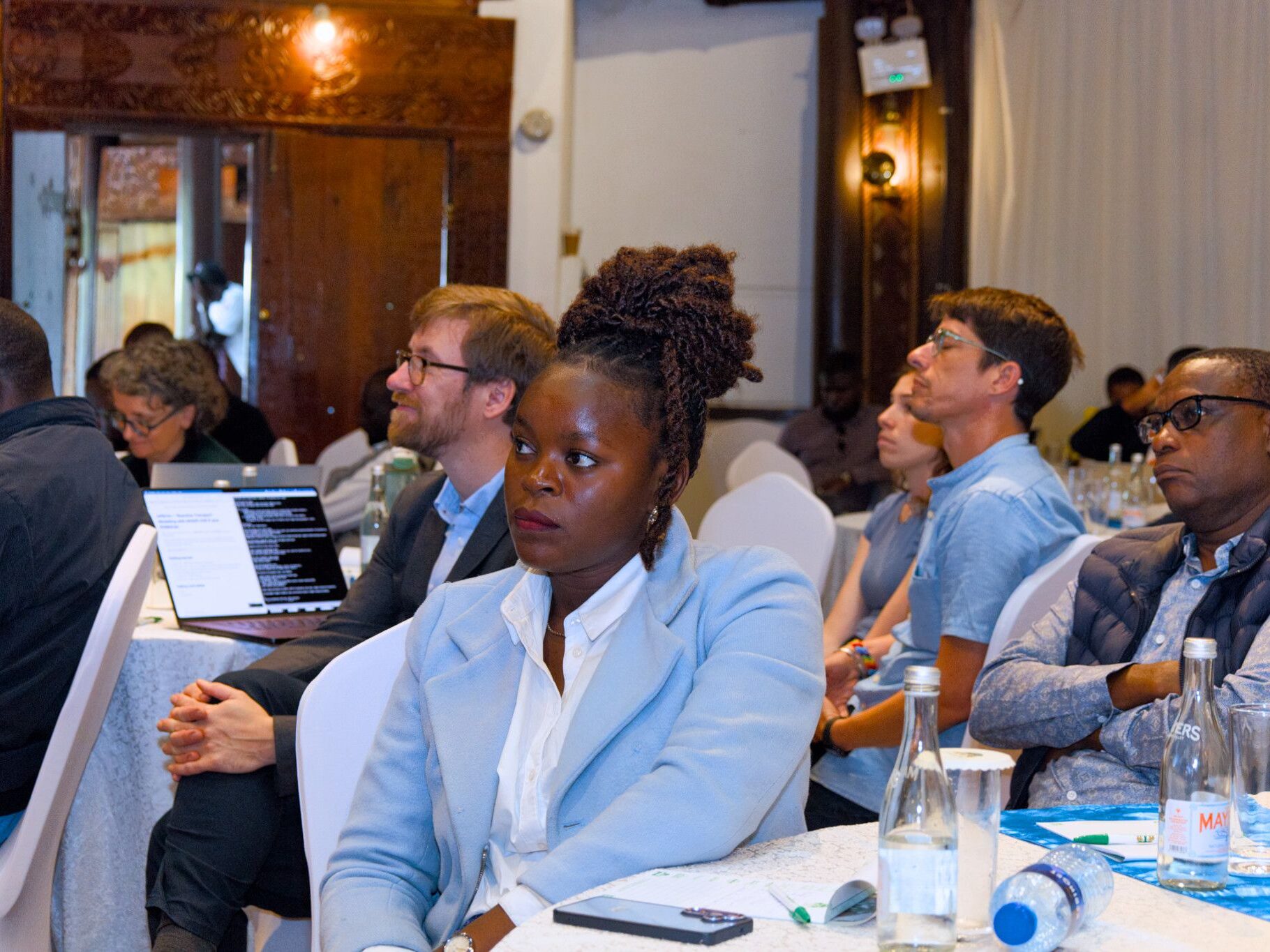
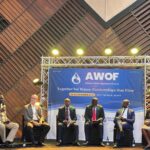
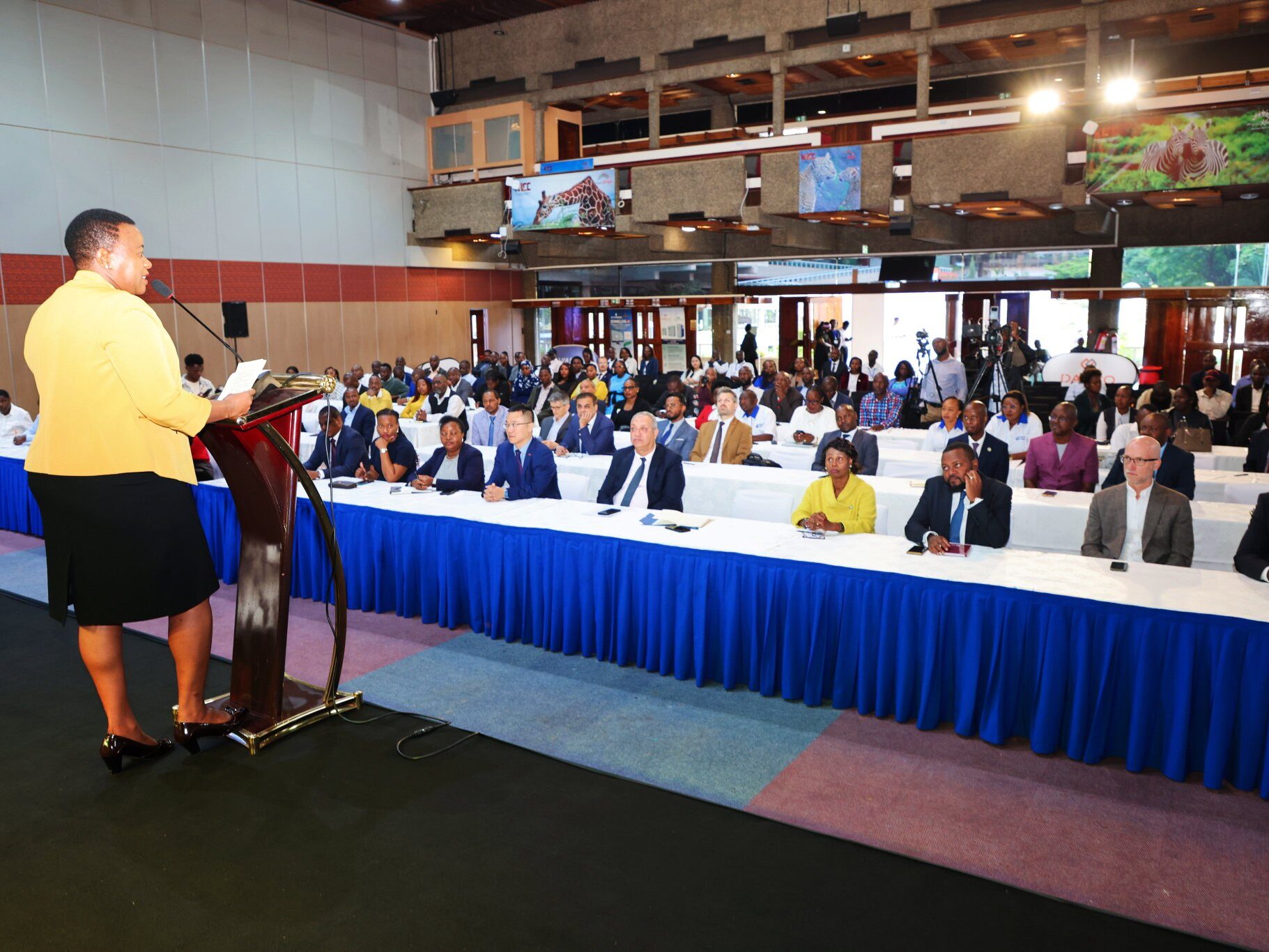
The call featured prominently during the inaugural African Water Operators’ Forum, which opened in Nairobi on November 24, bringing together water utilities, policymakers, regulators, county governments, development partners and industry experts from different African countries.
The three-day meeting, convened by the Global Institute for Water, Environment and Health (GIWEH) in partnership with Nairobi City Water and Sewerage Company (NCWSC), is being held under the theme “Together for Water: Partnerships that Flow.”
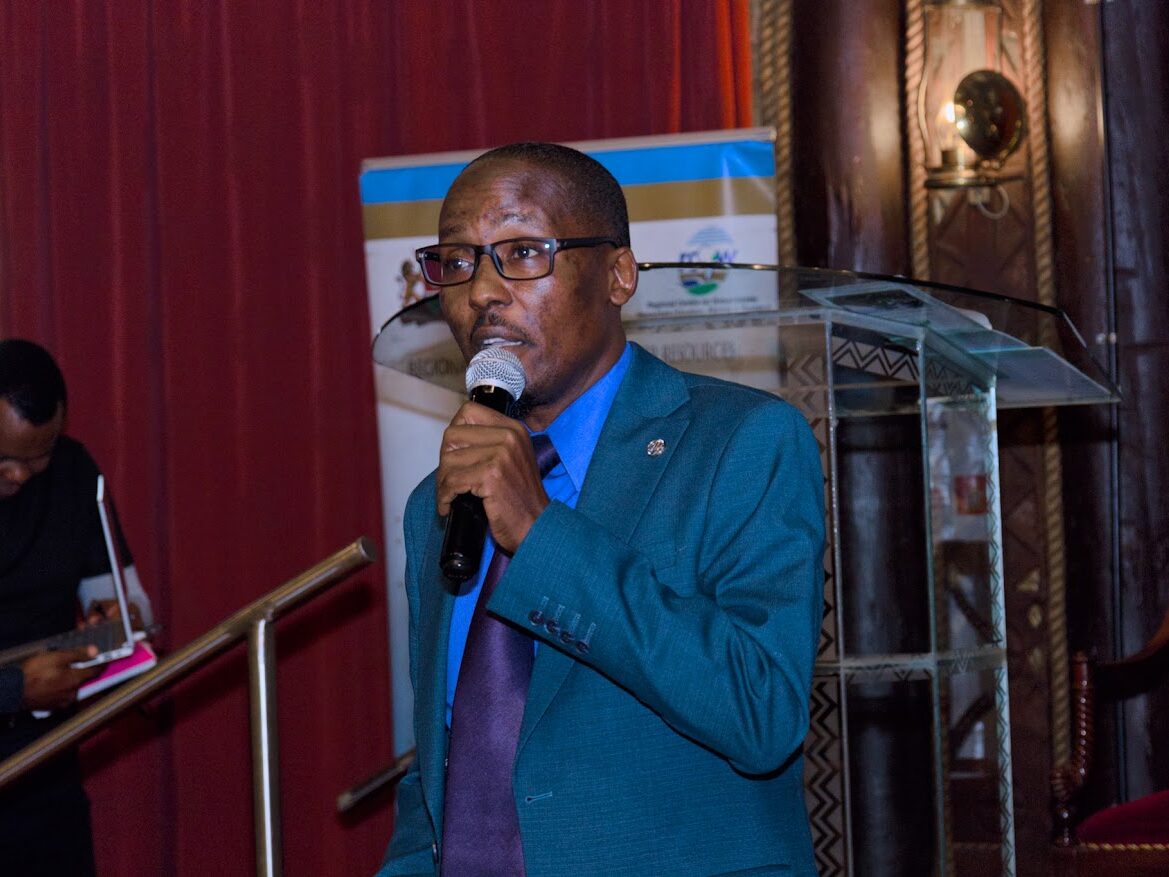
During the opening ceremony, Principal Secretary in the State Department for Parliamentary Affairs Dr Aurelia Rono, representing Prime Cabinet Secretary Musalia Mudavadi, highlighted the need for African countries to move beyond policy commitments and prioritise practical interventions that improve water service delivery.
She pointed to Kenya’s non-revenue water levels, estimated at approximately 48 per cent, warning that the losses translate into about Sh13.7 billion annually in potential revenue.
Non-revenue water refers to treated water that is produced and supplied into distribution networks but does not generate revenue for utilities because of physical leakages, illegal connections, meter inaccuracies and other commercial losses.
The high losses present a major challenge for water service providers, particularly at a time when population growth, urbanisation and climate variability are increasing pressure on available water resources and existing infrastructure.
Reducing water losses could enable utilities to recover significant volumes of treated water, improve revenue collection and extend services to more households without relying entirely on developing additional water sources.
The discussions at the forum are therefore focusing on the need for utilities to embrace modern technologies, strengthen operational management and improve accountability in the delivery of water services.
Participants are also examining opportunities for digitalisation, smart metering, artificial intelligence and improved monitoring systems to enhance efficiency and identify weaknesses within water distribution networks.
Financing has emerged as another major issue, with African countries facing substantial investment requirements to expand water and sanitation infrastructure and achieve universal access.
The forum highlighted an estimated annual financing requirement of approximately US$30 billion to support Africa’s ambition of achieving universal water access by 2030.
The funding gap has increased the need for stronger partnerships between governments, water utilities, development institutions, private investors and financial organisations to mobilise resources for infrastructure development.
Discussions are also addressing public-private partnerships, climate-resilient infrastructure, water reuse and circular economy approaches as potential avenues for improving the sustainability of water services.
The meeting has attracted participation from several Kenyan water sector institutions, including Nyeri Water and Sewerage Company (NYEWASCO), Water Services Providers Association (WASPA), Water Services Regulatory Board (WASREB), Water Sector Trust Fund and Kenya Water Institute.
NYEWASCO’s participation provides an opportunity for the utility to exchange experiences with other African water operators, explore emerging industry practices and identify partnerships that could strengthen service delivery.
The gathering is also expected to produce the Nairobi Water Operators Declaration and Nairobi Water Operators Commitment, which will provide a framework for strengthening cooperation among African water and sanitation utilities.
The proposed commitments are expected to address shared priorities, including sustainable financing, improved governance, accountability, institutional capacity and expanded access to reliable water and sanitation services.
The forum runs until November 26, with further discussions expected to explore how African utilities can work together to address common operational and infrastructure challenges.
The meeting marks an important step towards strengthening continental cooperation in the water sector, particularly as African countries seek sustainable ways to meet growing demand while building more efficient and climate-resilient water systems.