







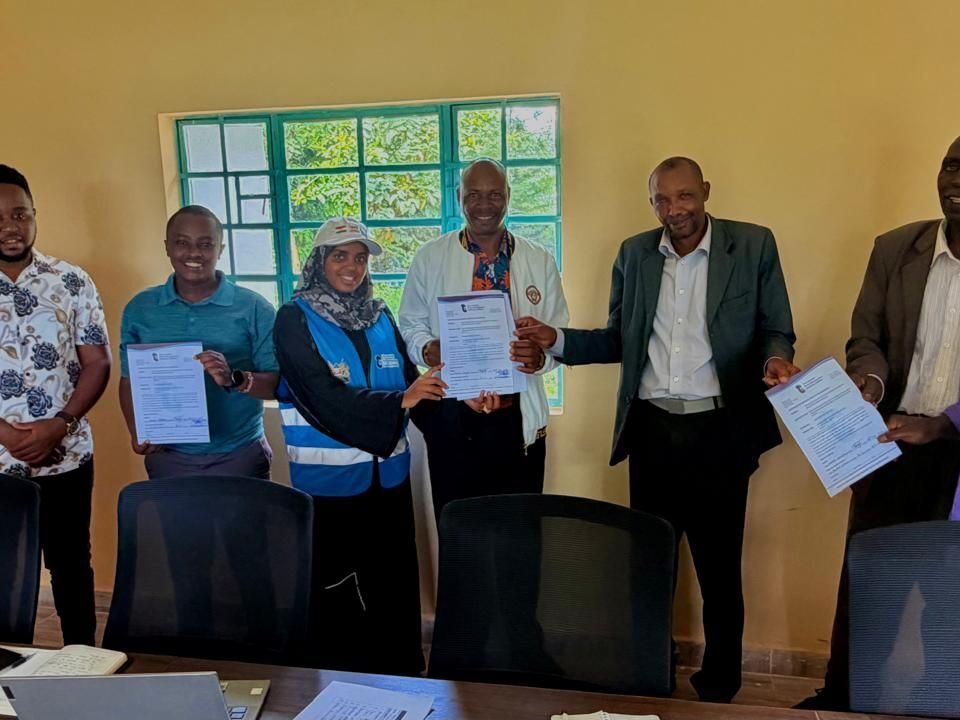
The Tana and Athi Rivers Development Authority (TARDA) has handed over the expanded and rehabilitated Thiha-Kiruka Smallholder Irrigation Project to the beneficiary community in Mukurwe-ini Sub-County, Nyeri County, in a move expected to strengthen agricultural production and improve farmers’ resilience to changing weather patterns.
The handover marks the transition from infrastructure development to community management, with local farmers expected to take responsibility for operating and maintaining the irrigation scheme to ensure its long-term sustainability.
The project is designed to expand irrigation coverage to approximately 65 hectares and benefit 500 farming households, with an estimated 2,500 people expected to benefit indirectly through improved agricultural production and economic activities.
By drawing water from the perennial Thiha River, the scheme uses a gravity-fed pipeline and sprinkler irrigation system to provide farmers with a more dependable water supply for crop production.
The investment is expected to reduce farmers’ dependence on seasonal rainfall, which has increasingly become unreliable due to prolonged dry spells and changing weather conditions affecting agricultural activities in different parts of the country.
Reliable irrigation water will enable farmers to plan their planting seasons more effectively, maintain production during dry periods and diversify into high-value horticultural crops.
Among the crops expected to benefit from improved water availability are tomatoes, cabbages, kale and carrots, which provide opportunities for farmers to increase production and earn more consistent incomes.
The scheme is also expected to create additional economic opportunities for women and young people by supporting their participation in farming, agricultural enterprises and related activities along the local food value chain.
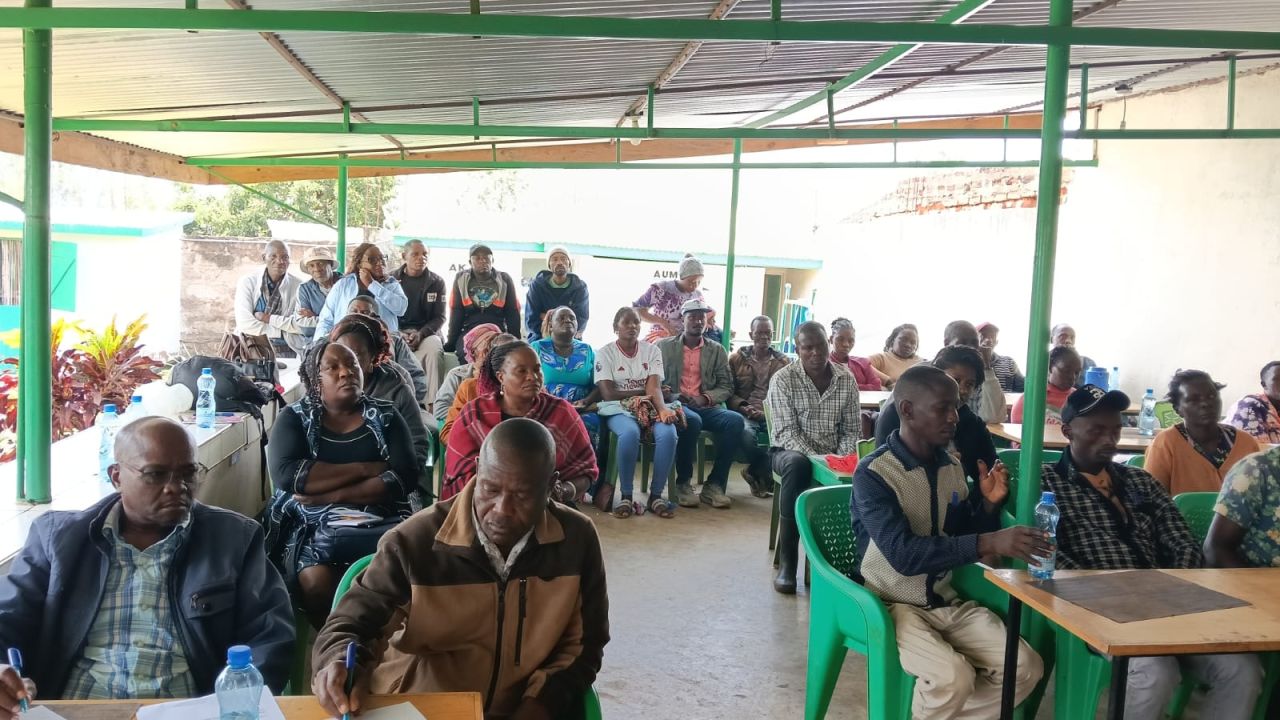
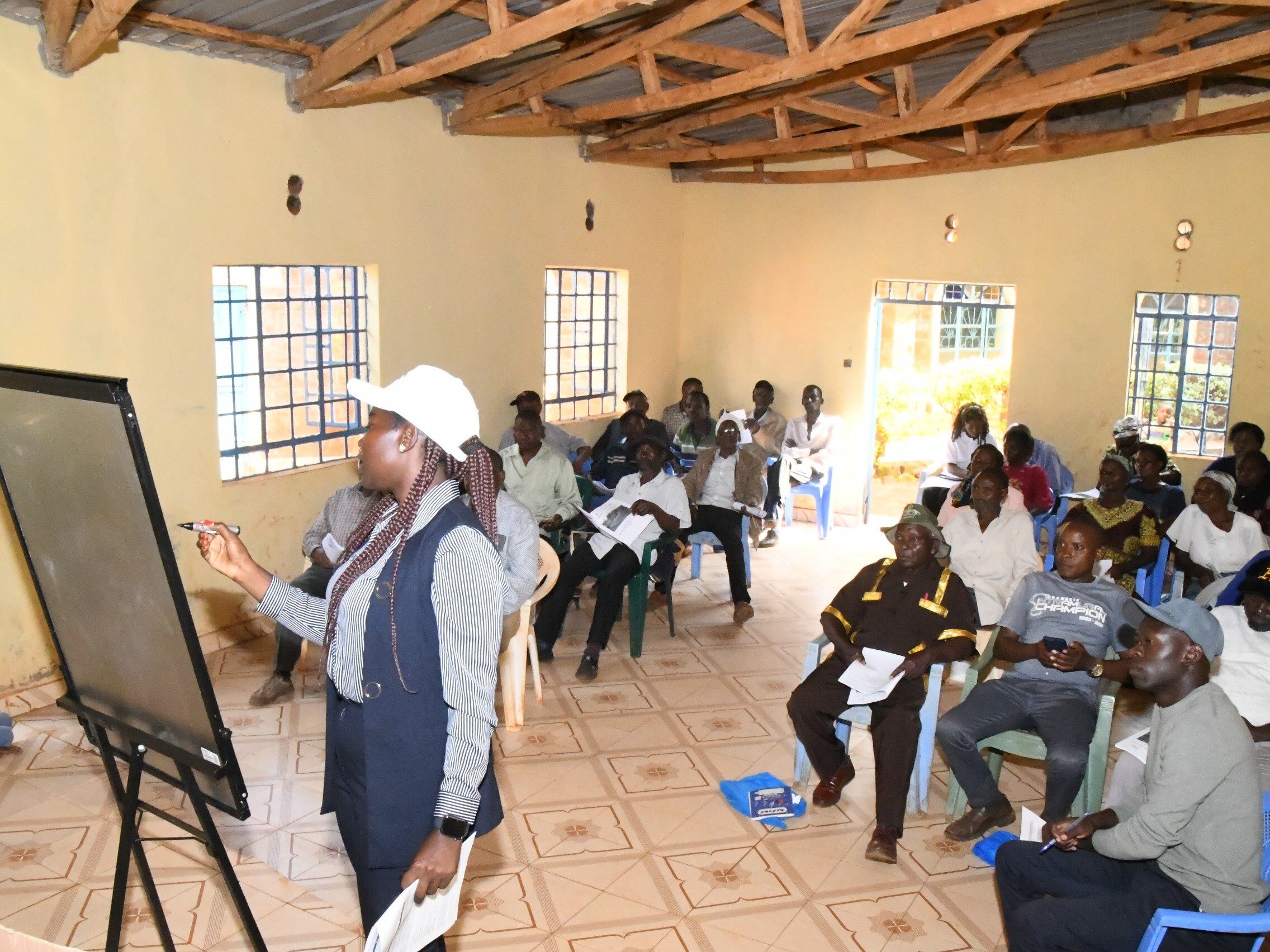
A key component of the handover was the training of the Project Management Committee, which will oversee the operation and management of the irrigation facility.
The committee received guidance on managing the infrastructure, coordinating irrigation activities, distributing water among registered farmers and promoting responsible utilisation of available water resources.
The training is intended to strengthen local management capacity and minimise the risk of infrastructure deterioration arising from poor maintenance, inefficient water distribution or weak institutional arrangements.
Community participation is considered essential to the sustainability of smallholder irrigation schemes because beneficiaries are directly involved in decisions affecting water allocation, infrastructure maintenance and the management of shared resources.
Through the handover, TARDA is seeking to ensure that the investment continues delivering agricultural and economic benefits beyond the construction and rehabilitation phase.
The authority’s approach recognises that successful irrigation development requires more than the installation of pipelines and water distribution systems. Farmers must also have the organisational capacity and technical knowledge to operate the facilities and maintain them over time.
The Thiha-Kiruka project is expected to contribute to climate resilience by providing a more reliable water source for agricultural production, particularly during periods when rainfall is insufficient to support crop growth.
Improved irrigation access could also help stabilise household food supplies, increase agricultural productivity and strengthen incomes among participating farming families.
The project further demonstrates the role of community-managed irrigation infrastructure in supporting agricultural transformation, particularly in rural areas where smallholder farmers remain vulnerable to rainfall variability.
With responsibility for the scheme now transferred to the beneficiary community, its long-term success will depend on effective management, equitable water distribution and regular maintenance of the infrastructure.
The expected benefits extend beyond the 65 hectares under irrigation, as improved farm productivity could stimulate local trade, create employment opportunities and strengthen economic activity within Mukurwe-ini and surrounding areas.
The handover therefore places farmers at the centre of sustaining the investment, with the community expected to protect and manage the facility as a shared resource supporting livelihoods and future agricultural development.