








The Tana-Athi Water Works Development Agency (TAWWDA) is moving towards taking over the management of the Nolturesh Water Scheme in a planned transition aimed at addressing persistent water supply challenges, reducing water losses and rehabilitating ageing infrastructure serving parts of southern Kenya.
The proposed takeover comes amid growing concerns over the condition and operational efficiency of the bulk water supply system, which serves communities across Kajiado, Machakos, Makueni and Kitui counties.
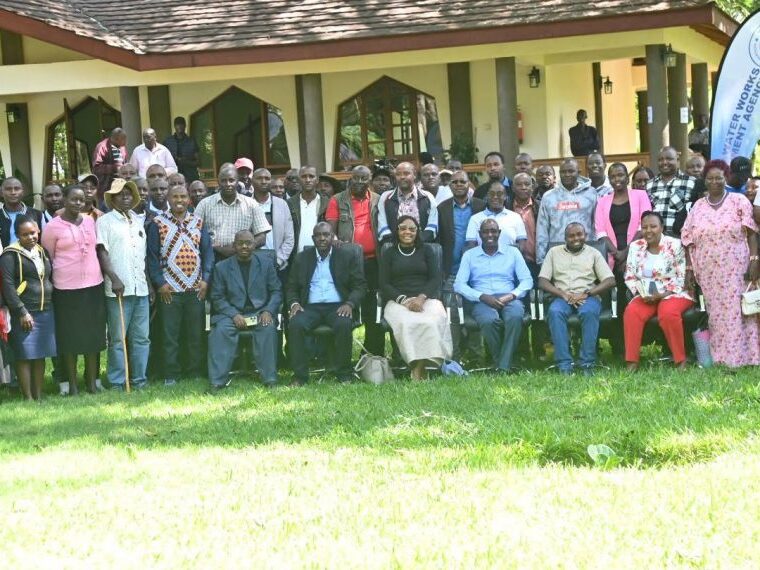
The agency held a stakeholder consultation forum on November 20, 2026, bringing together representatives from the national government, county administrations, water sector institutions and other stakeholders to discuss the proposed transition and the future management of the scheme.
Discussions focused on the operational challenges affecting the system, including deteriorating pipelines, high levels of non-revenue water, maintenance backlogs, rising demand and the need for better coordination between bulk water suppliers, county governments and water service providers.
The proposed transition is expected to place greater emphasis on strengthening infrastructure management, improving operational efficiency and ensuring a more reliable supply of bulk water to the communities and institutions that depend on the scheme.
The Nolturesh Water Supply System is one of the important regional water infrastructure networks in the area. However, its ability to meet growing demand has been undermined by ageing infrastructure, illegal connections, vandalism and significant water losses.
Government figures indicate that nearly 80 per cent of treated water has been lost before reaching consumers, leaving only a fraction of the water produced available for distribution and consumption.
The scale of the losses has raised concerns about the sustainability of the system, particularly as population growth, urbanisation and changing economic activities continue to increase demand for water across the supply corridor.
The government launched a rehabilitation programme for the Nolturesh system in August 2026, targeting improvements in infrastructure and the restoration of reliable water services to more than 260,000 residents across the four counties.
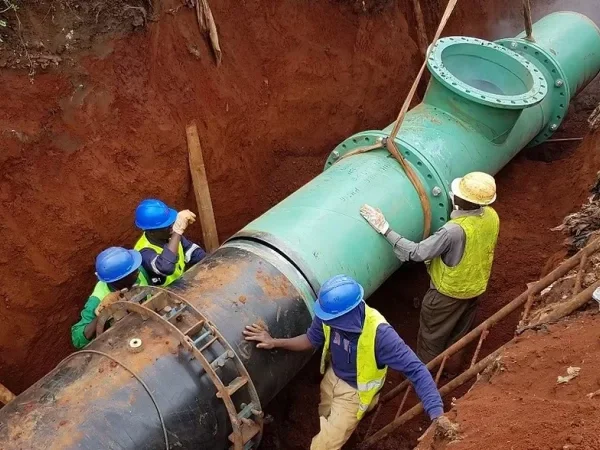
The proposed rehabilitation includes laying approximately 150 kilometres of new water mains and constructing storage facilities with a combined capacity of 9,000 cubic metres. Existing pipelines, storage tanks and pumping stations are also earmarked for rehabilitation to improve the movement and distribution of treated water.
Other planned interventions include developing water pans, drilling and equipping boreholes, protecting existing springs and improving water distribution infrastructure.
The rehabilitation programme, estimated to cost KSh7.5 billion, is also expected to strengthen the system’s capacity to serve communities that have experienced unreliable supplies and prolonged water shortages.
Beyond infrastructure upgrades, addressing illegal connections and improving metering will be critical to reducing losses and ensuring that water supplied through the network is properly accounted for.
The Ministry of Water has previously indicated that technical assessments of the pipeline would help identify priority areas requiring immediate intervention, while measures to protect the infrastructure would target vandalism and unauthorised connections.
The proposed takeover by TAWWDA therefore presents an opportunity to address both the physical deterioration of the network and the operational weaknesses that have affected its performance.
For residents, the success of the transition will ultimately depend on whether the proposed management changes and rehabilitation investments translate into more consistent water supplies, reduced interruptions and improved access to safe water.
As consultations continue, coordination between the national government, county administrations and water service providers will remain important in ensuring that the scheme operates sustainably and responds to the needs of the growing population along its supply corridor.