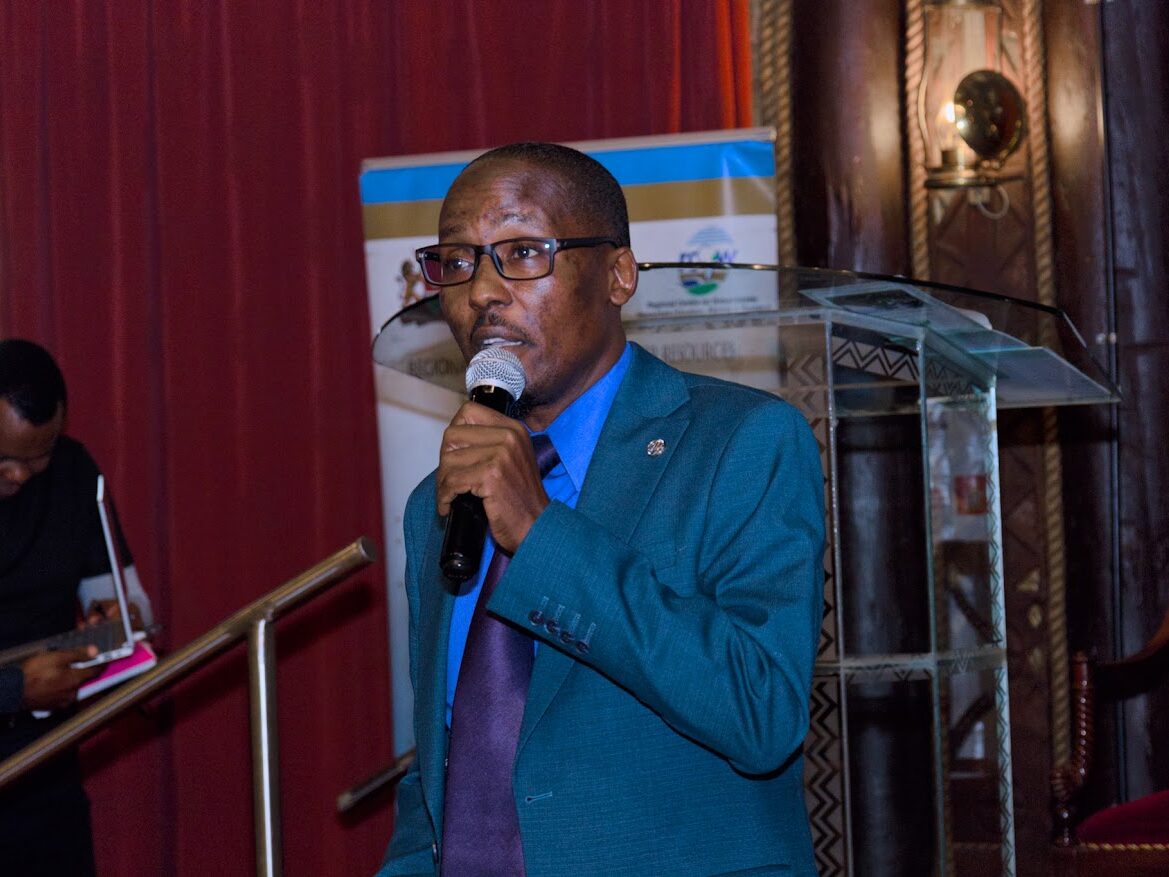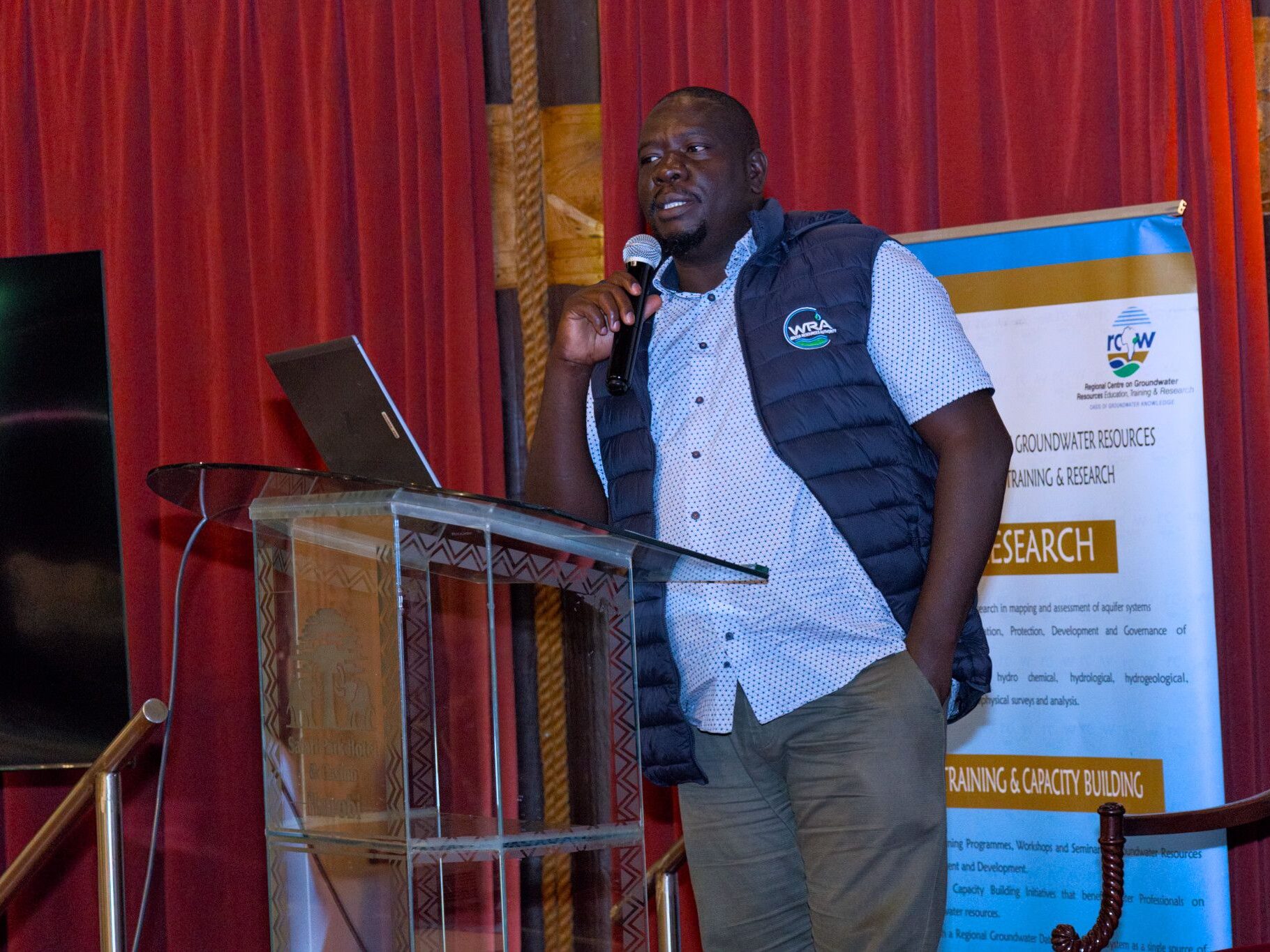







A new study has drawn attention to the growing challenge of non-revenue water in Kenya, highlighting the financial and operational losses that occur when treated water fails to reach consumers.
The research, conducted under the Strathmore University Water Governance and Innovation Hub, examines how water utilities and community water systems can improve efficiency by reducing the amount of water lost before it reaches the tap.
Kenya has continued to invest in expanding access to water services, but the study suggests that improving supply should also involve reducing losses within existing systems. Non-revenue water refers to water that has been produced and is available for distribution but is lost through leakages, inaccurate meters, unauthorised consumption, inefficient billing and other operational challenges.
National estimates indicate that non-revenue water accounts for about 44 per cent of water produced, more than twice the sector benchmark of 20 per cent. The losses are estimated to translate into approximately KSh12.37 billion in financial losses each year, putting additional pressure on water service providers and limiting resources available for improving infrastructure and expanding services.
The situation is particularly significant at the Sirembe Community Water and Sanitation Project (SICOWAP) in Siaya County. The community-managed system is estimated to experience water losses of about 75 per cent.
SICOWAP serves an estimated population of 4,862 people through 661 household connections and six water kiosks. The high level of losses presents challenges for the sustainability of the system and its ability to provide reliable services to the communities it serves.
However, researchers caution against viewing non-revenue water solely as a problem of leaking pipes. The study identifies a wider range of factors that contribute to water losses, including weaknesses in data management, governance, financing, metering, maintenance, accountability and institutional capacity.
According to the research, addressing these challenges requires coordinated interventions that go beyond infrastructure repairs. Accurate data and effective monitoring can help water providers identify where losses occur, while improved metering can strengthen accountability and ensure that water consumption is properly recorded.
The study proposes a hybrid governance model that maintains community participation while increasing support from county governments and technical service providers. Such an approach could strengthen the ability of community water systems to manage their operations and respond to technical and financial challenges.
Researchers also recommend stronger preventive maintenance, improved monitoring systems, better metering and tighter financial controls as part of efforts to reduce water losses.
The findings underline the importance of improving the efficiency of existing water systems alongside investments in new infrastructure. Reducing non-revenue water could help water providers protect existing resources, improve financial performance and ensure that more of the water already produced reaches households and other consumers.