


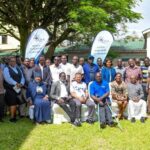


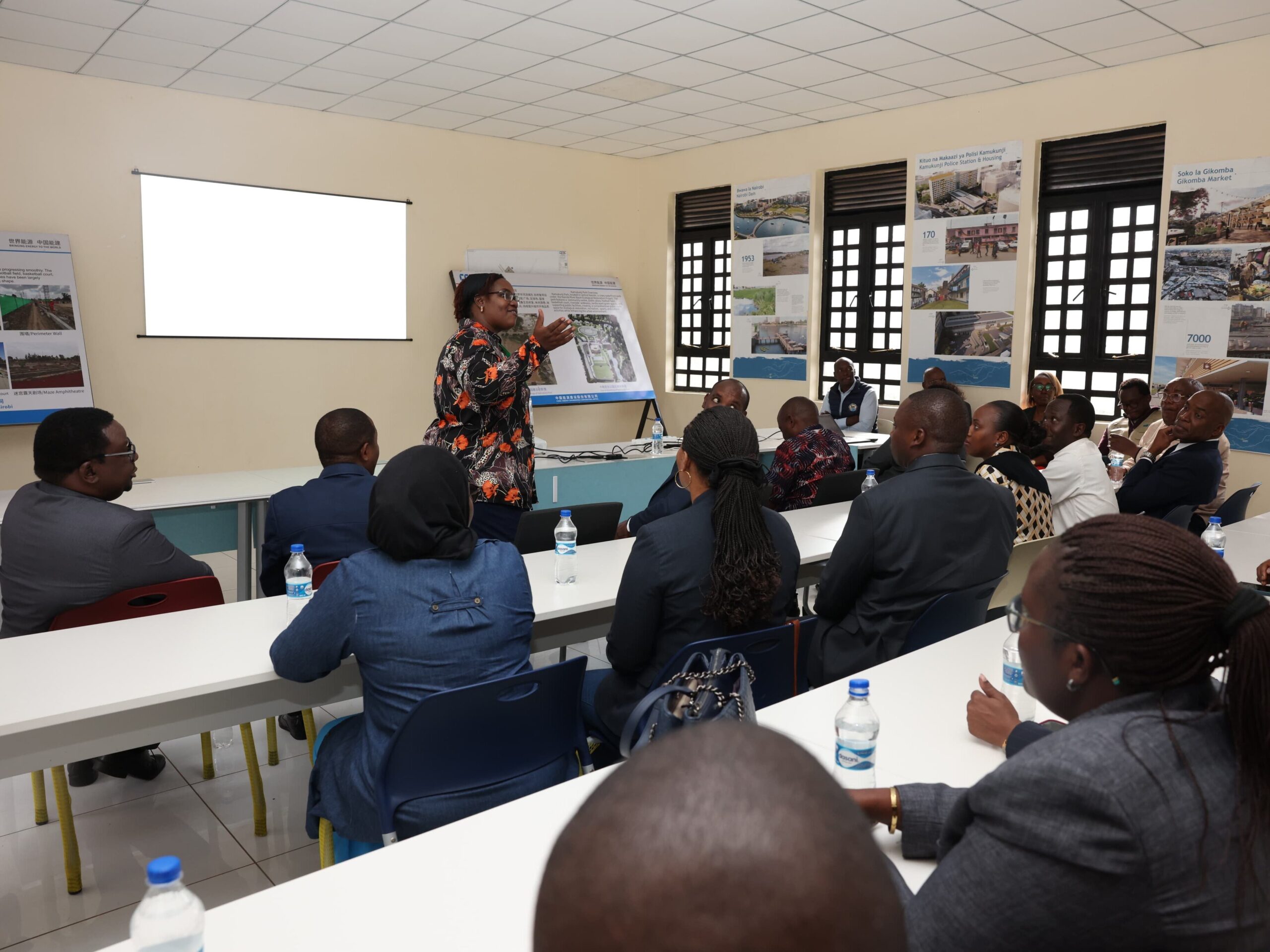
Kenya’s efforts to restore the Nairobi River Basin are attracting regional attention, with representatives from Rwanda, Uganda, Tanzania and Burundi visiting the capital to learn about the country’s approach to urban river rehabilitation, waste management and sustainable water resource protection.
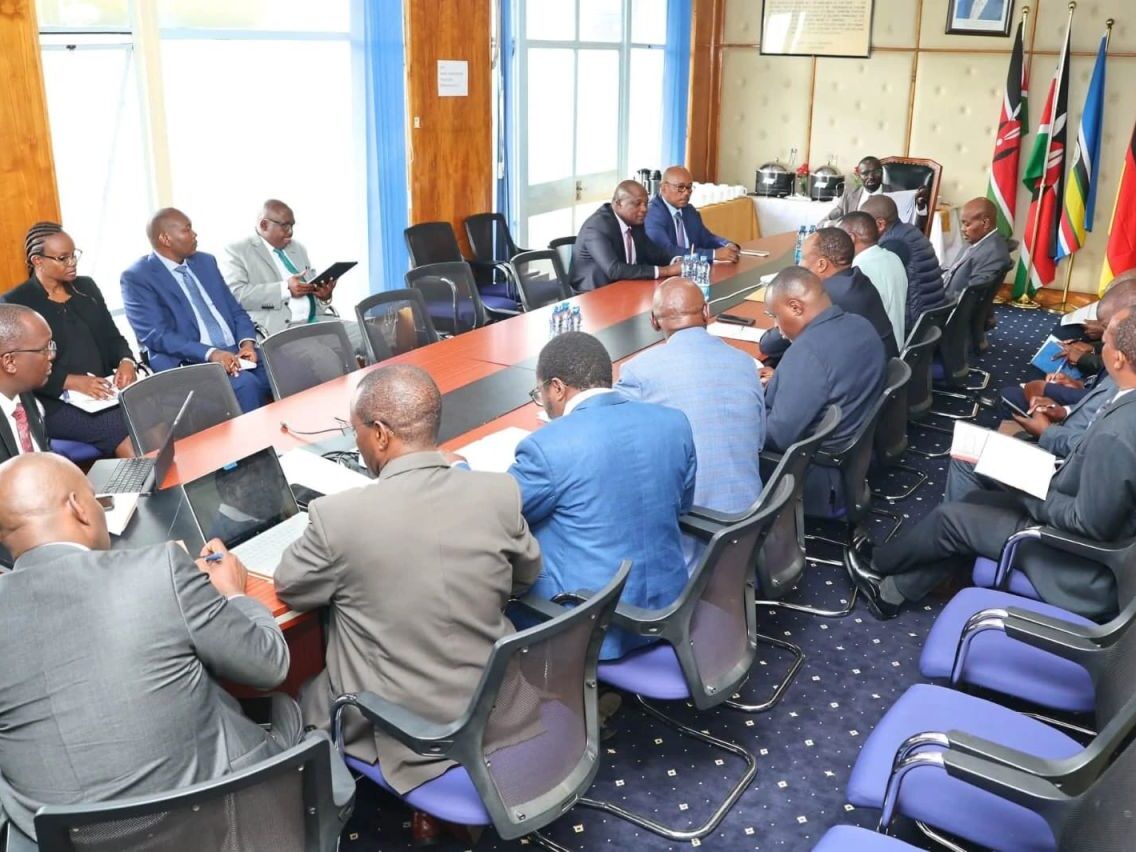
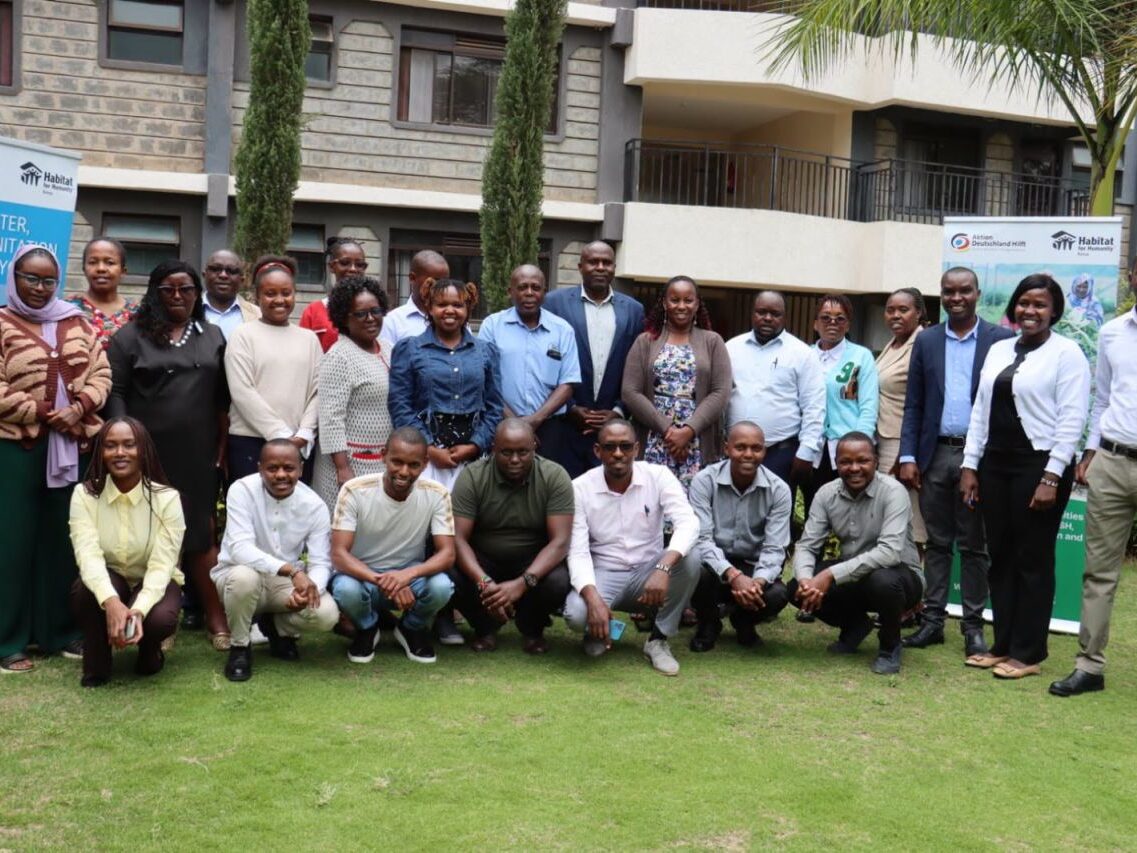
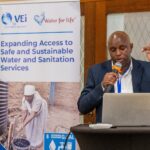
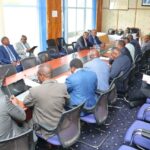
The delegation was hosted by the Nairobi Rivers Commission during the East African Country and Local Government Forum at Kamukunji Community Centre, where officials were briefed on the Nairobi River Regeneration Project, its interventions and implementation framework.
The meeting, led by Nairobi Rivers Commission Chairman Dr Nelson Marwa, also brought together Chief Executive Officer Brigadier (Rtd) Joseph Muracia and commissioners Musuva and Eva Muhia.
Discussions focused on financing river restoration projects, improving waste management systems, strengthening regional cooperation and ensuring the long-term sustainability of urban river rehabilitation programmes.
The engagement comes as Kenya advances a major initiative to address pollution affecting the Nairobi River and its tributaries, which have faced increasing environmental pressure from untreated sewage, industrial discharge, solid waste disposal and encroachment along riparian reserves.
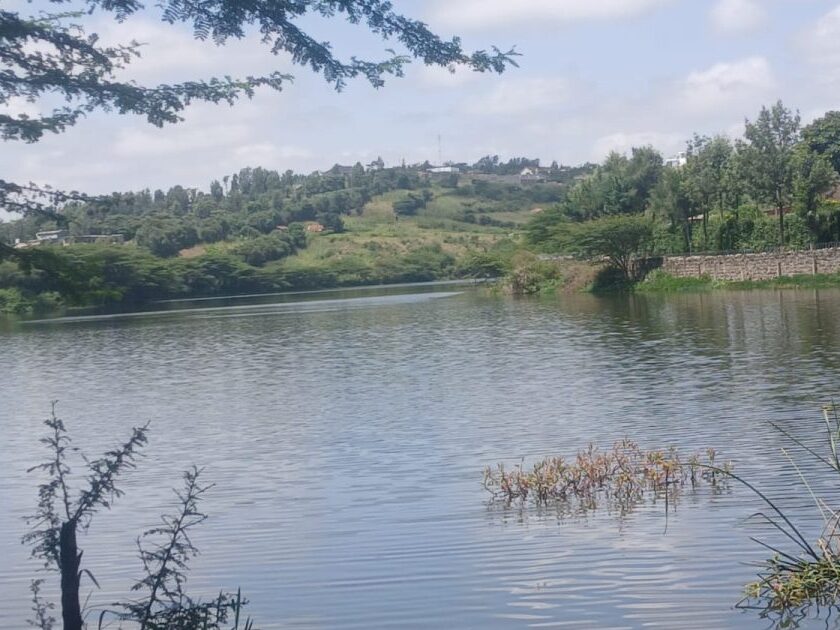
The Nairobi River Basin is made up of three major river systems: Nairobi, Ngong and Mathare, alongside several smaller tributaries. These waterways form an important drainage network for the capital before flowing downstream into the Athi River system and eventually towards the Indian Ocean.
However, rapid urbanisation and inadequate wastewater and solid waste management infrastructure have contributed to the deterioration of the river ecosystem, creating environmental and public health concerns for communities living along the waterways.
Kenya’s regeneration programme seeks to address these challenges through coordinated investments in sewerage infrastructure, riverbank restoration, drainage improvements, waste management and protection of riparian areas.
The Nairobi Rivers Basin Regeneration Programme (NaBREP), coordinated by the Nairobi Rivers Commission, provides the framework for these interventions. It covers approximately 175 kilometres of river corridors, including the Nairobi, Ngong and Mathare rivers, as well as sections of the wider Athi River system.
The programme adopts a basin-wide approach that combines environmental restoration with infrastructure development and improved urban planning. Its interventions include expanding sewer networks, upgrading wastewater treatment facilities, rehabilitating riverbanks, protecting wetlands and improving solid waste collection.
One of the major infrastructure components involves constructing trunk sewer lines to intercept wastewater that would otherwise flow directly into the rivers. The expansion of sewerage infrastructure is particularly important in densely populated settlements where inadequate sanitation facilities contribute to water pollution.
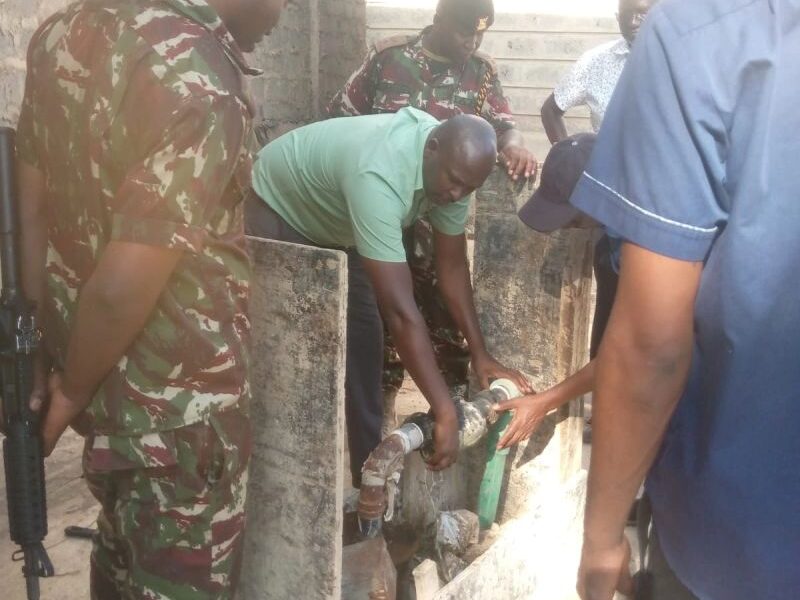
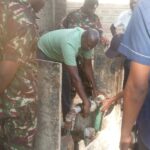
In February 2026, a government inspection of the regeneration project highlighted ongoing construction of trunk sewer lines around Lucky Summer in Ruaraka, alongside rehabilitation activities at the Dandora dumpsite and riverbank restoration works around Korogocho. These interventions are intended to reduce pollution entering the river system while improving sanitation and environmental conditions in surrounding communities.
Waste management is another critical component because improperly disposed plastics, household refuse and industrial waste frequently find their way into drainage channels and waterways. Improving waste collection, recycling and disposal systems is therefore necessary to prevent renewed pollution after river clean-up activities.
The programme also recognises the importance of protecting riparian land and wetlands, which play a significant role in regulating water flows, filtering pollutants and supporting biodiversity. Community participation and enforcement of environmental regulations are expected to complement physical restoration works.
The regional engagement provides an opportunity for Kenya to exchange experiences with neighbouring countries facing similar challenges associated with urban growth, inadequate sanitation infrastructure and pollution of river systems.
For Kenya, the importance of restoring Nairobi’s rivers extends beyond improving the appearance of the capital. The river network connects several counties, including Nairobi, Kiambu, Machakos, Kajiado and Makueni, making its rehabilitation relevant to water quality and environmental management downstream.
Pollution entering the Nairobi River system can travel beyond the capital through the Athi-Galana-Sabaki drainage network, eventually reaching the Indian Ocean. This makes effective pollution control important not only for Nairobi residents but also for communities and ecosystems along the wider river basin.
The regeneration initiative is also linked to climate resilience, particularly through improved drainage, flood management and protection of natural river corridors. Restored waterways and properly managed riparian areas can help reduce the effects of urban flooding while supporting healthier ecosystems.
The Nairobi Rivers Commission has identified resource mobilisation, technical cooperation, monitoring and stakeholder participation as important areas in implementing the regeneration programme.
The East African forum therefore provides a platform for examining how financing arrangements, institutional coordination and effective waste management can support long-term urban river restoration.
As Kenya continues implementing the Nairobi River Regeneration Project, the challenge will be ensuring that clean-up activities are matched by permanent improvements in sewerage infrastructure, waste disposal and pollution control.
The long-term success of the initiative will depend on maintaining these investments and ensuring that communities, businesses, county governments and national institutions share responsibility for protecting the river system.