








Kenya’s progress in expanding access to clean water is increasingly facing another challenge: ensuring that water remains safe for consumption from treatment plants to household taps. While investments in dams, treatment facilities and distribution networks have improved water infrastructure, concerns over contamination, inadequate monitoring and unsafe household storage continue to raise questions about the quality of water reaching consumers.
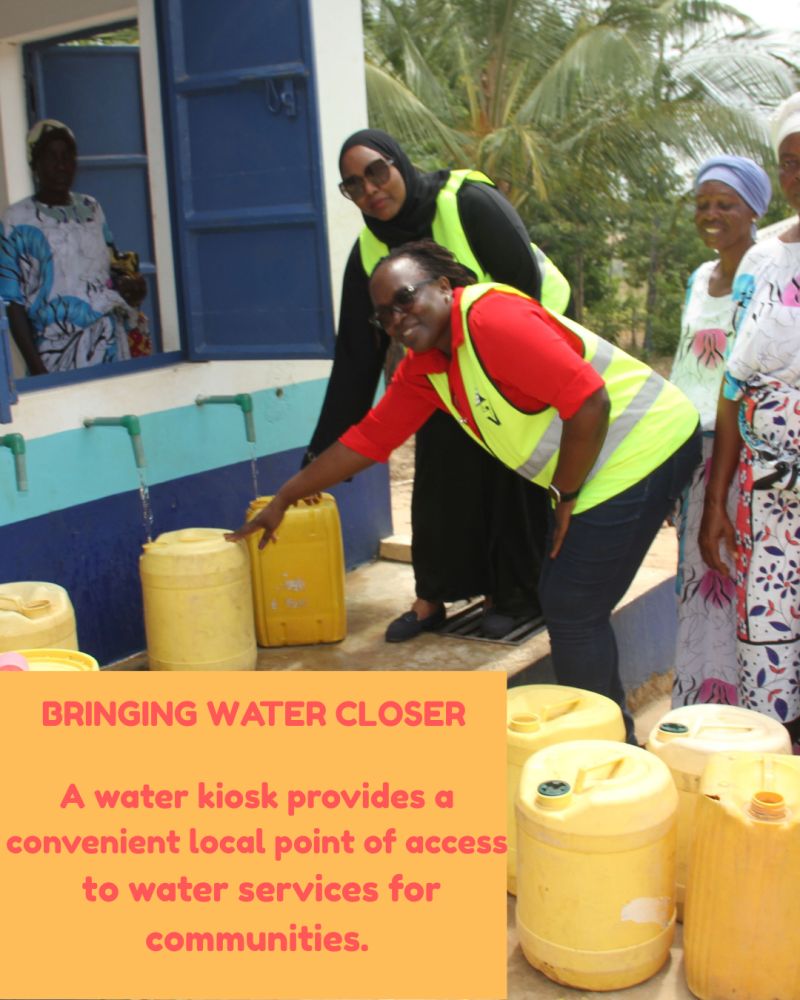
Water quality is a critical component of public health, particularly in densely populated urban settlements where households depend on communal water points, kiosks and storage containers. Contamination can occur at different stages of the supply chain, including at the source, during treatment, through damaged distribution networks or when water is stored under unhygienic conditions.
Research published in July 2026 in the journal PLOS Water highlights some of these challenges. The study, which examined drinking-water quality and household water-handling practices in Kibera, Nairobi, assessed 262 households and found evidence of microbial contamination in household water samples.
The findings showed that 56 per cent of the samples tested positive for total coliform bacteria, while 15 per cent contained Escherichia coli (E. coli), an indicator of possible faecal contamination. The research also established that 84 per cent of households had free chlorine residual levels below the recommended 0.2 milligrams per litre, while only 42 per cent treated their drinking water at home.
Although the samples were collected in December 2022, the findings demonstrate the importance of monitoring water quality beyond treatment facilities and examining the conditions under which households handle and store drinking water.
At the national level, the Water Services Regulatory Board (WASREB) has reported improvements in drinking-water quality performance among regulated water service providers. Its 2024/2025 sector performance report placed the national drinking-water quality indicator at 96 per cent, compared with 89 per cent in the previous reporting period. Nairobi City Water and Sewerage Company recorded 95 per cent.
However, these performance figures should be distinguished from household-level water quality. Utility compliance indicators do not necessarily establish that every household receives water that meets drinking-water standards, particularly where distribution systems, storage facilities and handling practices introduce additional risks.
The challenge therefore extends beyond the capacity of treatment plants to produce safe water. Maintaining quality throughout distribution requires regular sampling, effective disinfection, properly maintained pipelines and prompt responses to contamination incidents.
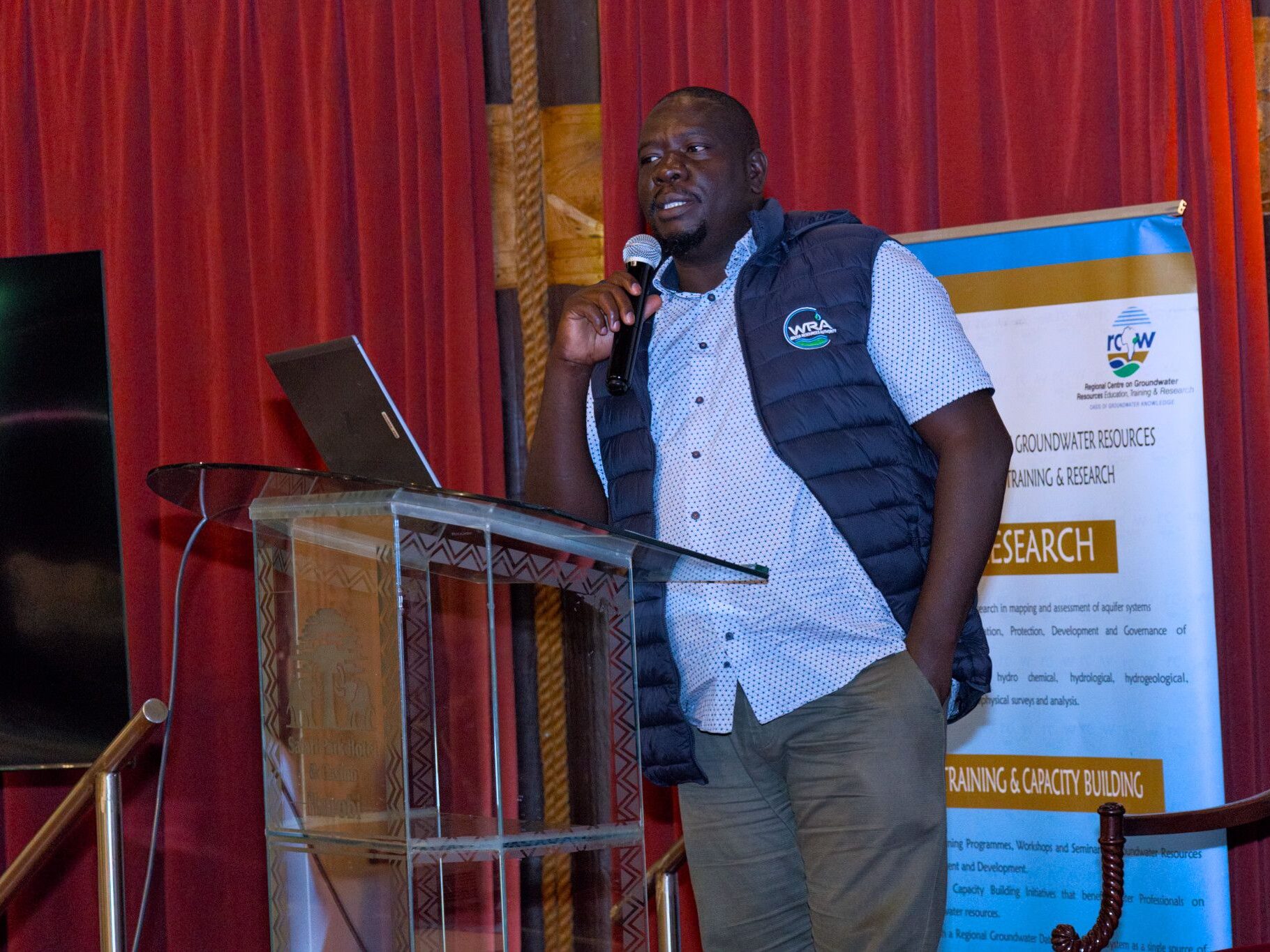
The Water Resources Authority (WRA) also plays an important role through monitoring the quality of rivers, groundwater and other water resources that supply treatment facilities. Monitoring raw water sources helps identify pollution threats before water enters treatment systems, including contamination from untreated sewage, agricultural activities, industrial discharge and poorly managed waste.
Meanwhile, the Kenya Bureau of Standards provides the standards against which drinking-water quality is assessed, while public health authorities have responsibilities in preventing and responding to risks associated with unsafe water.
For consumers, household storage remains another important consideration. Water kept in uncovered containers, poorly maintained tanks or vessels that are regularly handled without proper hygiene can become contaminated even when it was initially treated. This makes public awareness, safe storage practices and access to appropriate household treatment methods important components of drinking-water safety.
Strengthening water-quality surveillance will require closer coordination between regulators, water utilities, laboratories and public health institutions. Regular publication of testing results, transparent reporting of failed samples and timely corrective action could also help consumers understand the quality of their water supply.
As Kenya continues to expand water infrastructure, the measure of progress must increasingly include not only the volume of water produced and the number of households connected to supply networks, but also whether the water remains safe when it reaches the people who depend on it.