
Kenya’s regional water agencies are set to play a bigger role in the country’s water supply system following legal reforms allowing Water Works Development Agencies (WWDAs) to operate as bulk water service providers.
The change, introduced through the Water (Amendment) Act No. 13 of 2024, expands the mandate of the agencies beyond infrastructure development to include the operation of waterworks and the supply of treated water in bulk to licensed water service providers.
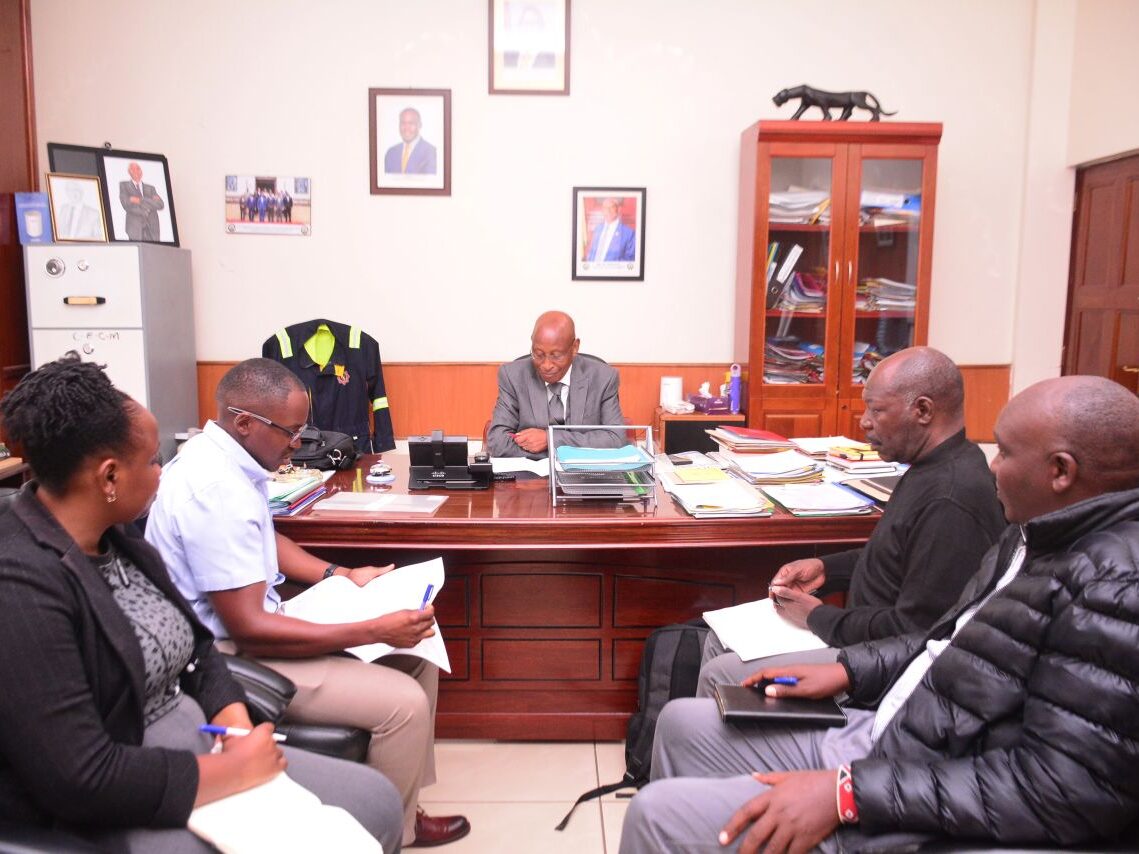
Water, Sanitation and Irrigation Cabinet Secretary Eng. Eric Mugaa highlighted the development while outlining the government’s approach to strengthening regional bulk water supply systems.
Under the revised legal framework, WWDAs can operate waterworks and enter into bulk water supply agreements with water service providers and private investors through Public-Private Partnerships (PPPs). The arrangements are intended to strengthen investment in major water infrastructure and improve the financial sustainability of regional supply systems.
The agencies are responsible for developing major infrastructure such as dams, water treatment plants, storage facilities and transmission pipelines. Their expanded operational role is expected to improve coordination between water production and distribution, particularly where infrastructure serves several counties.
The reforms also provide an opportunity to mobilise private capital for large-scale water projects at a time when government resources alone remain insufficient to meet the country’s growing water infrastructure requirements.
Under the PPP framework, WWDAs and the National Water Harvesting and Storage Authority can enter into bulk water purchase agreements with investors, subject to regulatory and legal requirements. Such arrangements are expected to create additional financing opportunities for projects that require substantial capital investment.
The Water Services Regulatory Board (WASREB) retains an important oversight role in the new arrangement. WWDAs must obtain the necessary licences to undertake bulk water supply functions, while bulk water tariffs are subject to regulatory scrutiny and consumer protection requirements.
The changes are also intended to clarify responsibilities between national government agencies and county-level water service providers.
While regional agencies can supply water in bulk, local water service providers remain responsible for distributing water to households, businesses and institutions through their respective networks. This means the reforms do not transfer the entire retail water distribution function to the regional agencies.
Another important aspect of the amendment concerns completed water infrastructure. It provides for arrangements through which WWDAs can transfer responsibility for operating and managing waterworks to the relevant county governments or water service providers, in accordance with the law.
The government expects the expanded mandate to support the development of interconnected regional water systems, improve investment planning and strengthen the delivery of water to areas facing persistent shortages.
However, the success of the reforms will depend on effective regulation, clear agreements between bulk suppliers and local utilities, reliable revenue collection and the ability of water providers to meet their financial obligations.
The changes represent a significant development in Kenya’s water sector governance, shifting regional agencies towards a more direct role in the production and commercial supply of water while maintaining the distinction between bulk supply and retail distribution.