Meru County is among 12 counties set to benefit from a five-year World Bank-supported programme targeting the restoration of degraded landscapes, protection of water catchments and improvement of community livelihoods.
The Kenya Watershed Services Improvement Project (KEWASIP) is seeking to strengthen the management of critical watersheds while promoting sustainable land-use practices to address environmental degradation, improve water security and build resilience to climate change.
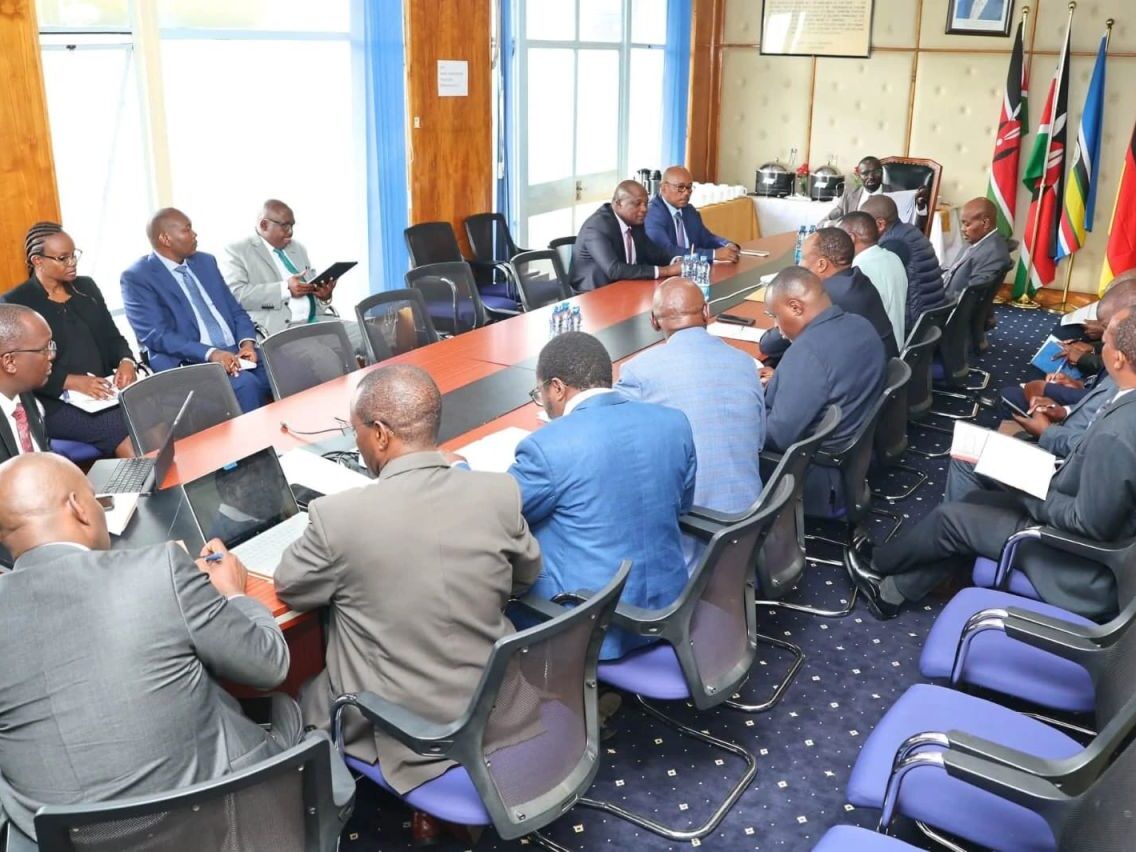
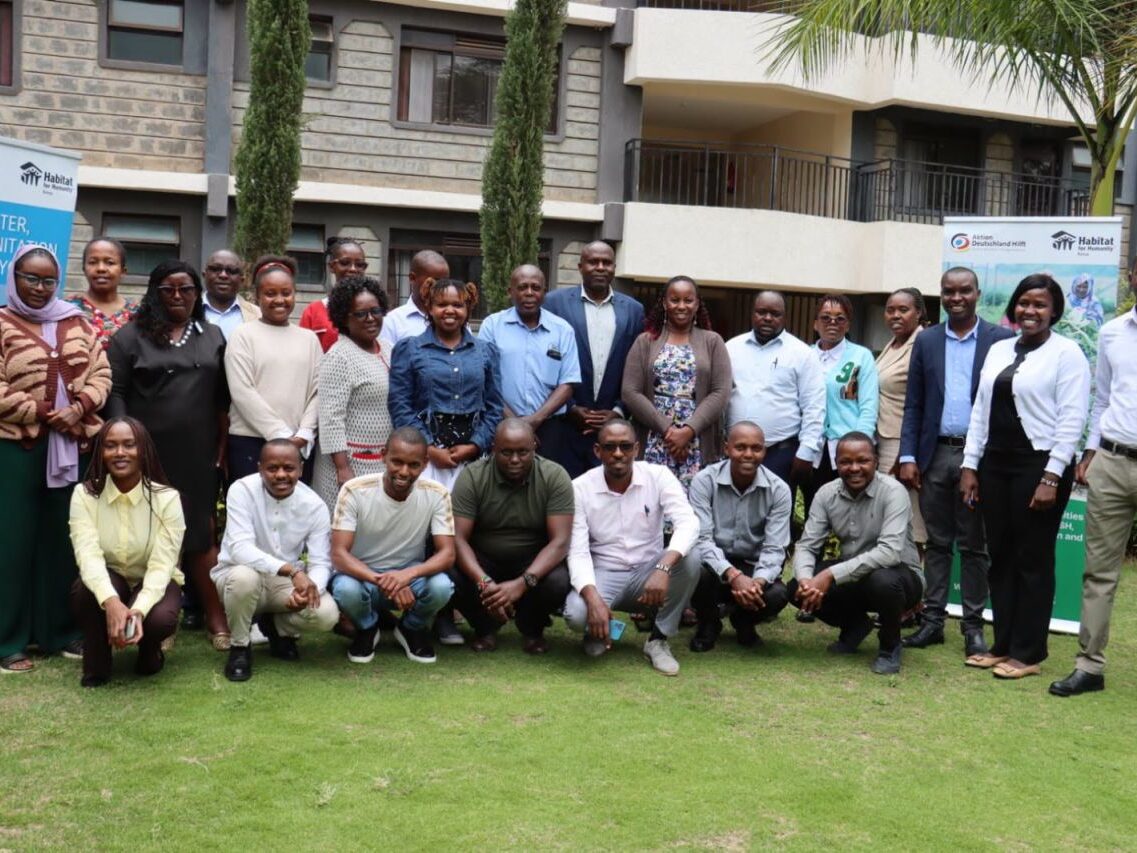
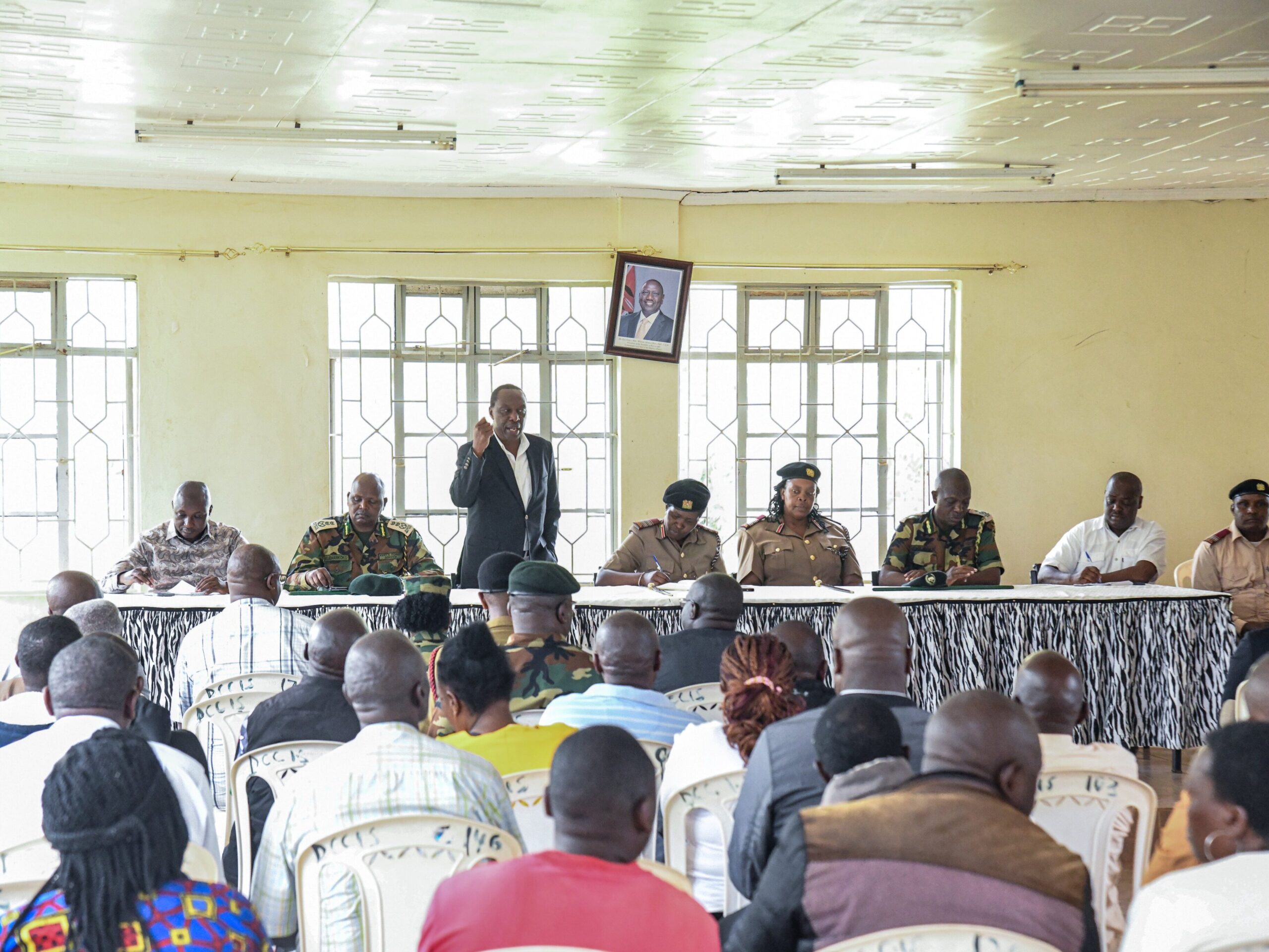
Forestry Principal Secretary Gitonga Mugambi highlighted the programme’s objectives during a stakeholder engagement and sensitisation forum held at the Deputy County Commissioner’s Office in Nkubu, Meru County.
The meeting brought together government officials and other stakeholders to discuss interventions under the programme, including rehabilitation of degraded catchments, restoration of forest ecosystems, sustainable land management and community participation in environmental conservation.
Mugambi said watershed protection was fundamental to national development, noting that healthy forests and functional ecosystems play an important role in securing water resources, supporting agricultural production and sustaining livelihoods.
The programme is being implemented by the State Department for Forestry in collaboration with the World Bank and several government institutions, including the Kenya Forest Service (KFS), Kenya Forestry Research Institute (KEFRI), Water Resources Authority (WRA), National Environment Management Authority (NEMA) and Kenya Wildlife Service (KWS).
Its activities target 12 counties: Meru, Tharaka Nithi, Kitui, Garissa, Marsabit, Makueni, Samburu, Baringo, Laikipia, Isiolo, Tana River and Kwale.
The initiative is anchored in the National Landscape and Ecosystem Restoration Strategy 2025–2032, which targets the restoration and conservation of 10.6 million hectares of degraded landscapes and ecosystems across the country.
A major component of KEWASIP is community participation through grants targeting Common Interest Groups, vulnerable and marginalised groups and other community organisations.
The programme has allocated approximately KSh3 billion for community-led activities covering soil and water conservation, agroforestry, small-scale water harvesting and nature-based enterprises across the participating counties.
The funding is intended to connect environmental conservation with household economic activities, allowing communities to benefit from restoration initiatives while improving their incomes.
The programme also seeks to strengthen institutional capacity in watershed planning, management and monitoring, while promoting sustainable land management on private, community and gazetted forest lands.
Mugambi linked the initiative to the Government’s 15 Billion Tree Growing Programme, which seeks to grow 15 billion trees by 2032 and increase national tree cover to 30 per cent.
According to the State Department for Forestry, the national restoration agenda targets 10.6 million hectares of degraded landscapes through tree growing, ecosystem rehabilitation and sustainable land management.
The Kenya Forest Service has also identified Meru as one of the counties with substantial existing tree cover. Its 2021 forest monitoring assessment placed the county’s tree cover at 29.6 per cent, providing an important foundation for further landscape restoration and conservation.
At the national level, the tree-growing initiative is expected to support climate-change mitigation, improve water-resource protection, enhance biodiversity and create economic opportunities through forestry-related activities.
Mugambi said KEWASIP presented an opportunity to advance the Government’s Bottom-Up Economic Transformation Agenda by connecting environmental restoration with job creation, agricultural productivity and sustainable community enterprises.
The programme’s approach recognises that watershed degradation affects more than forests. The destruction of vegetation, soil erosion and poor land-use practices can affect water availability, agricultural production and the livelihoods of communities that depend on natural resources.
Healthy watersheds help regulate water flows, reduce soil erosion, support groundwater recharge and maintain the quality of rivers and other water sources.
This makes catchment restoration particularly important in agricultural areas where communities depend on reliable rainfall and water supplies for crop production and livestock.
The initiative also places emphasis on coordination between national and county governments to ensure restoration activities respond to local environmental challenges and involve communities in decision-making.
Also attending the Nkubu forum were Chief Conservator of Forests Alex Lemarkoko and National Government Administration Officers, among other stakeholders.
The engagement forms part of efforts to build public awareness and strengthen local participation as Kenya rolls out the five-year programme aimed at protecting critical ecosystems while improving the economic resilience of communities.