






Kenya is accelerating the development of groundwater infrastructure in five arid and semi-arid counties under a World Bank-supported programme targeting persistent water shortages and strengthening communities’ resilience to drought.
The Horn of Africa Groundwater for Resilience Project (HoAGW4RP) is supporting the construction of 63 rural water supply schemes, development of groundwater recharge infrastructure and exploration of additional underground water sources in Turkana, Marsabit, Wajir, Mandera and Garissa.
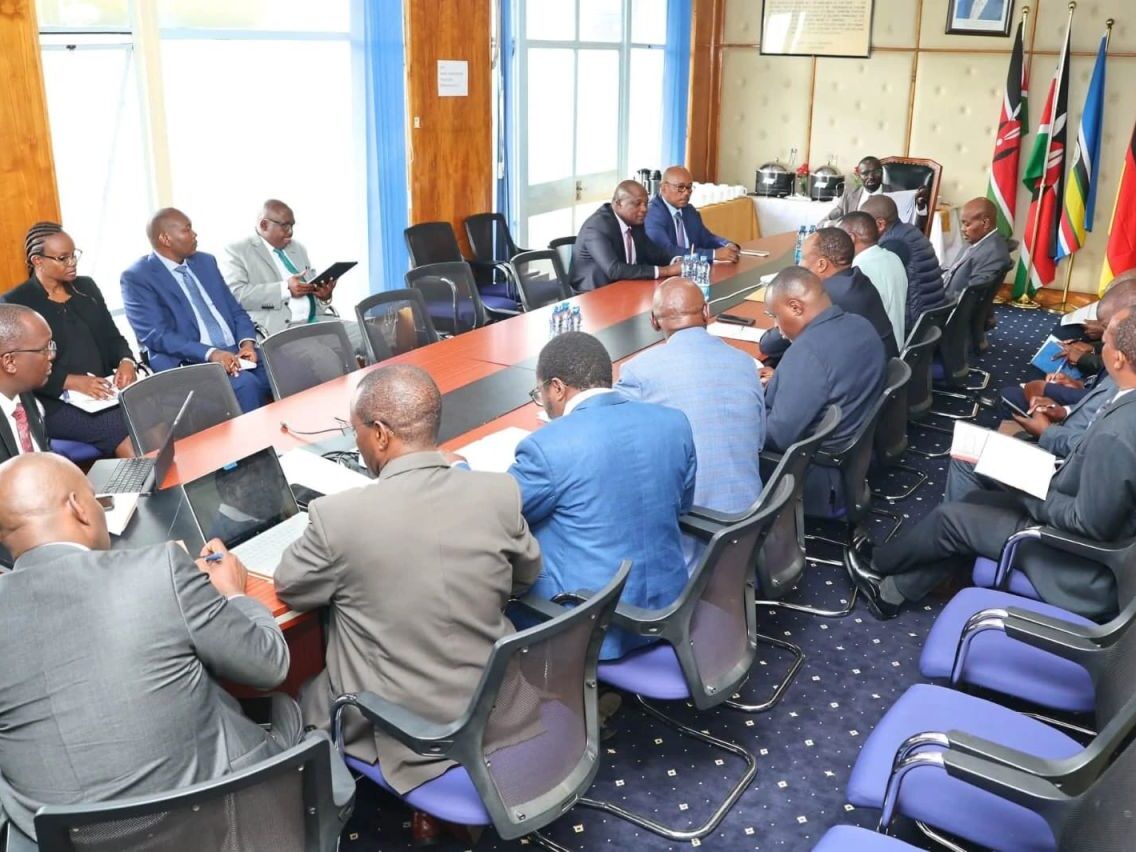
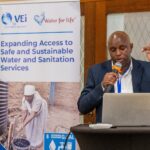
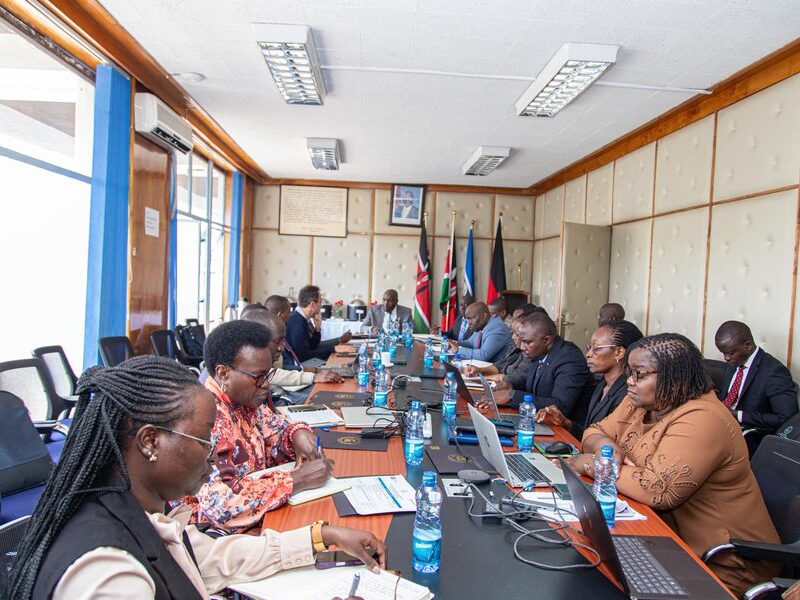
Principal Secretary for Water Julius Korir announced the progress during the November 2026 World Bank Implementation Support Mission’s kick-off meeting held at Maji House in Nairobi.
Korir, who chaired the meeting, said the mission would review implementation progress since May 2026 and provide technical support to government agencies responsible for delivering the project.
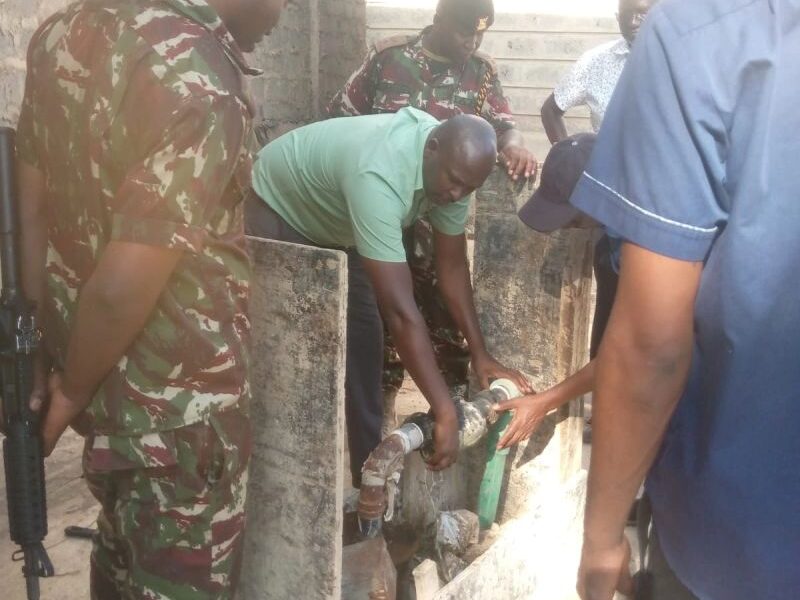
Of the 63 rural water supply schemes under construction, water is already flowing at Nariamao and Loturtur in Turkana County, as well as Aden Awale, Kubeysurur and Barmish in Wajir County.
The completed schemes mark progress towards improving access to reliable water supplies in communities where residents have traditionally depended on distant water points, seasonal sources and boreholes that require frequent repairs.
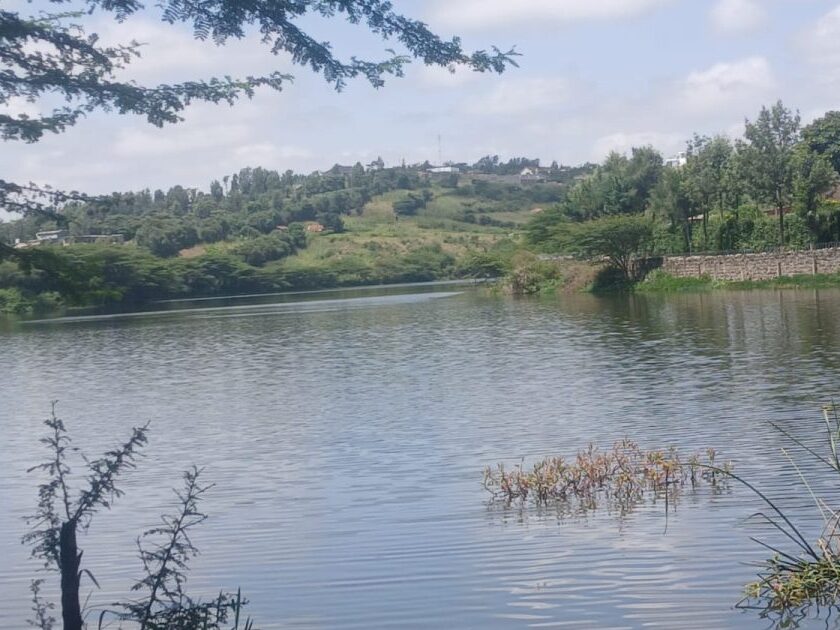
The project is also expanding infrastructure designed to improve groundwater recharge, with contracts awarded for 31 Managed Aquifer Recharge (MAR) structures.
Managed aquifer recharge involves capturing available surface water, particularly during rainy seasons and flood events, and directing it underground to replenish natural aquifers for future use.
The approach is particularly relevant in northern Kenya, where rainfall is often irregular and prolonged dry periods can leave communities and livestock with limited access to water.
Unlike conventional water storage facilities, which retain water in surface reservoirs, managed aquifer recharge helps store water underground, where evaporation losses are generally lower.
To support the sustainability of these investments, 35 Water Resources Users Associations (WRUAs) are involved in managing the structures and promoting responsible use of groundwater resources.
The associations bring together communities and different water users to participate in catchment conservation, water-resource protection and management of local water infrastructure.
Korir also announced progress in expanding groundwater exploration, with 45 exploratory boreholes contracted and plans to advertise a tender for drilling at another 82 priority sites by the end of November 2026.
The additional exploration is expected to improve knowledge of underground water reserves and identify suitable locations for developing new water sources.
The project has also completed development of a Groundwater Information System and its mobile application, providing an information platform to support groundwater management and planning.
The system is expected to strengthen the availability of groundwater information for institutions involved in water-resource monitoring, development and regulation.
The programme is supported by a US$135 million World Bank financing package and is being implemented in five counties that form part of Kenya’s arid and semi-arid borderlands.
Its wider objective is to improve sustainable access to and management of groundwater in the Horn of Africa borderlands, where recurrent droughts, unreliable rainfall and limited water infrastructure have affected livelihoods and economic activities.
According to project information from the Ministry of Water, the Kenya component was designed to benefit approximately 1.5 million people through improved groundwater services, infrastructure development and stronger institutional capacity.
The initiative also addresses challenges associated with the maintenance of rural water infrastructure. Borehole breakdowns, inadequate maintenance arrangements and limited technical capacity have historically affected the reliability of water supplies in remote communities.
The November mission will therefore examine not only construction progress but also the quality of ongoing works, compliance with environmental and social safeguards, financial management, procurement and disbursement.
These assessments are important in ensuring that infrastructure is delivered according to required standards and that investments provide lasting benefits to communities.
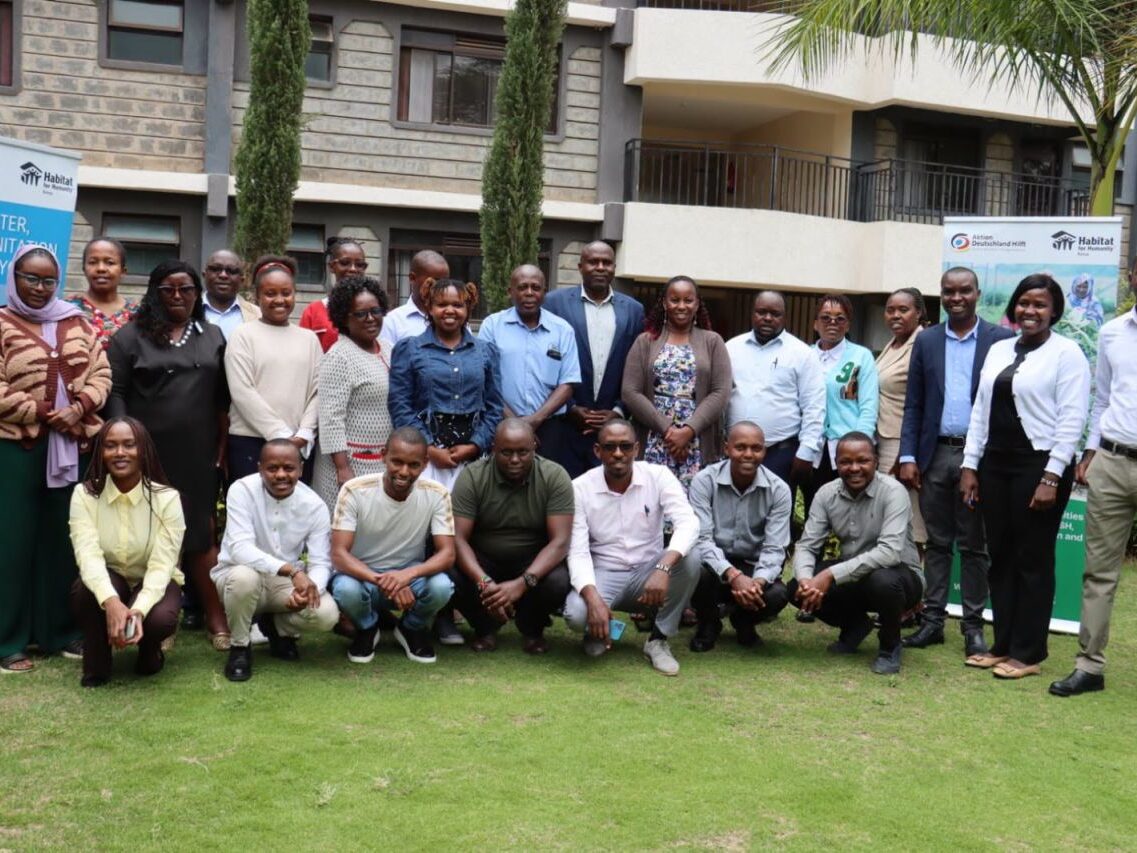
Beyond infrastructure development, the programme is investing in technical skills and institutional capacity within Kenya’s water sector.
Korir said 20 master’s degree students are receiving support at Jomo Kenyatta University of Agriculture and Technology, the University of Nairobi and Kenyatta University.
Another 45 interns are currently placed in the sector, while 65 additional interns are expected to be recruited in 2027.
The training programme is intended to develop a skilled workforce capable of supporting groundwater exploration, monitoring, infrastructure development and sustainable water-resource management.
Senior officials from the Ministry and county governments are also expected to participate in the mission’s field activities, including the launch of completed water schemes in Turkana County.
The project comes as Kenya continues to invest in alternative water sources to reduce vulnerability to prolonged drought, particularly in areas where conventional surface-water supplies are unreliable.
By combining rural water infrastructure, underground water exploration, aquifer recharge and technical capacity development, the programme seeks to establish more dependable water systems for communities in the country’s northern and north-eastern regions.