Kenya is stepping up efforts to strengthen the monitoring, regulation and protection of its water resources as increasing demand from households, agriculture and industries puts pressure on rivers, lakes and underground water reserves.
The Ministry of Water, Sanitation and Irrigation is prioritising improved enforcement, water-resource monitoring and collaboration with county governments to promote sustainable water management and secure reliable supplies across the country.
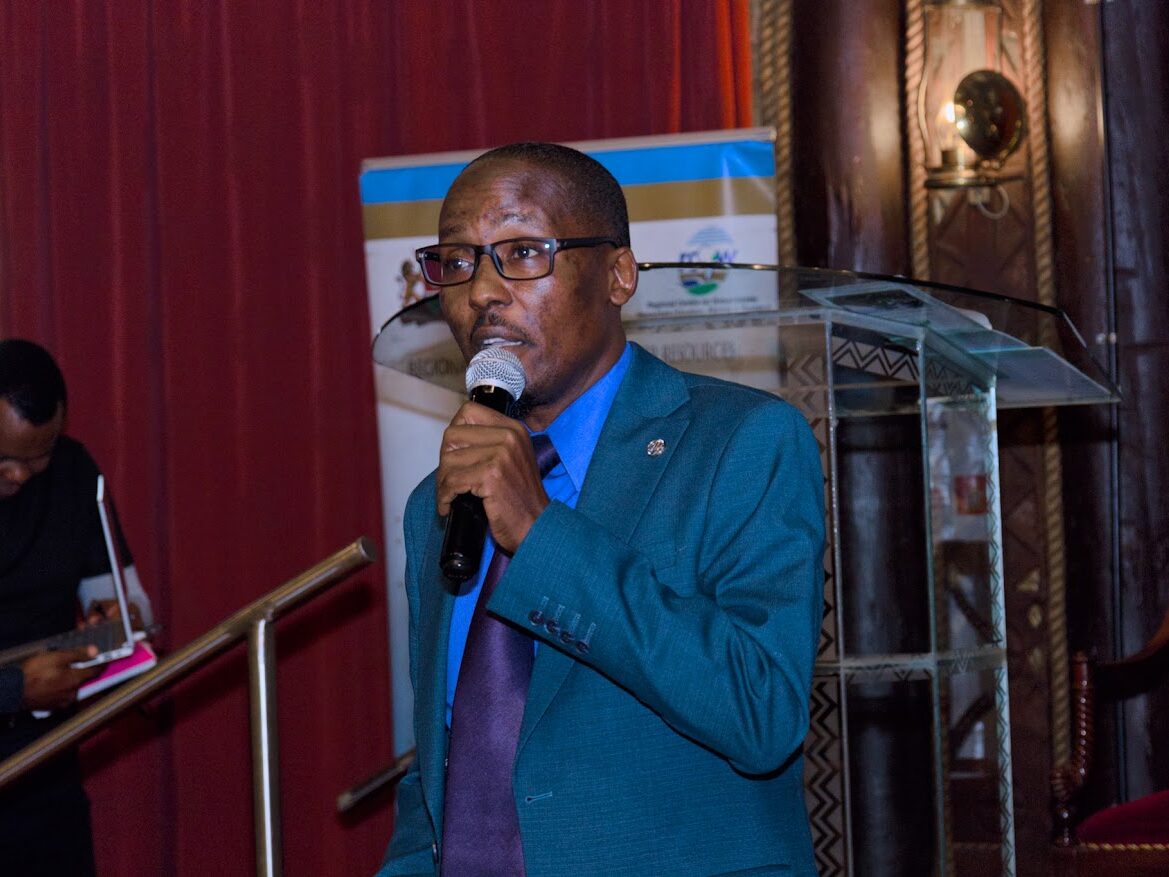
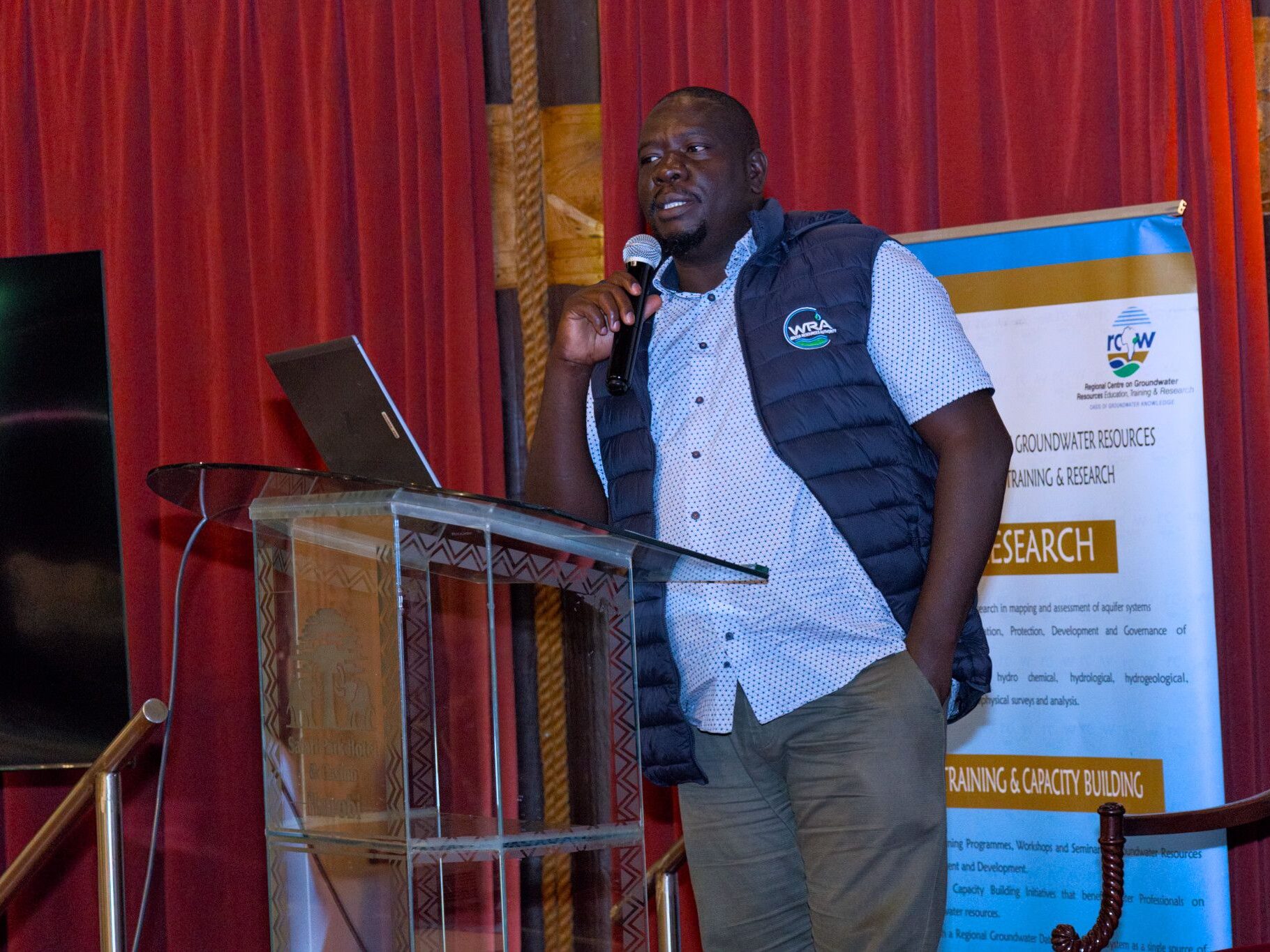
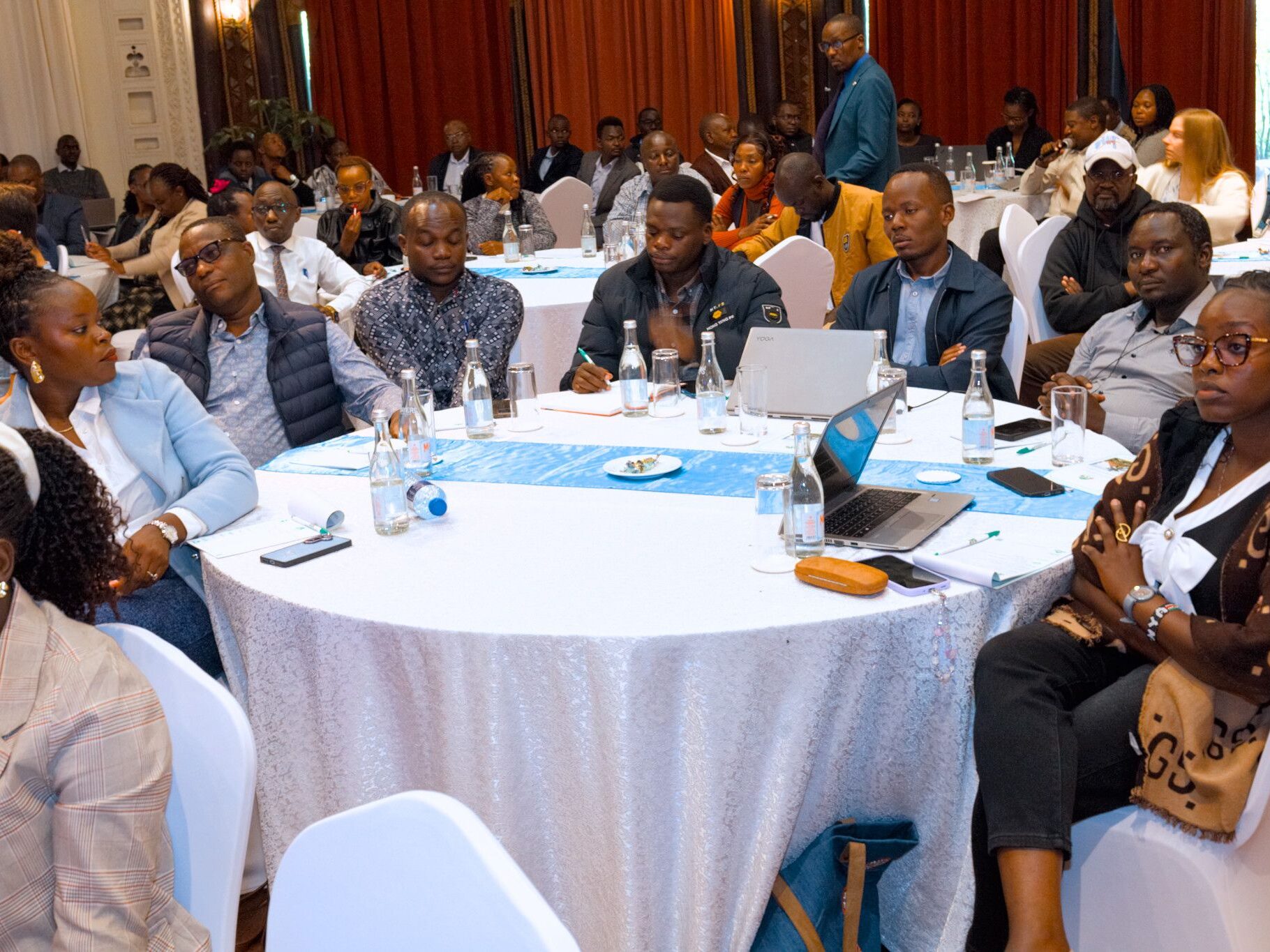
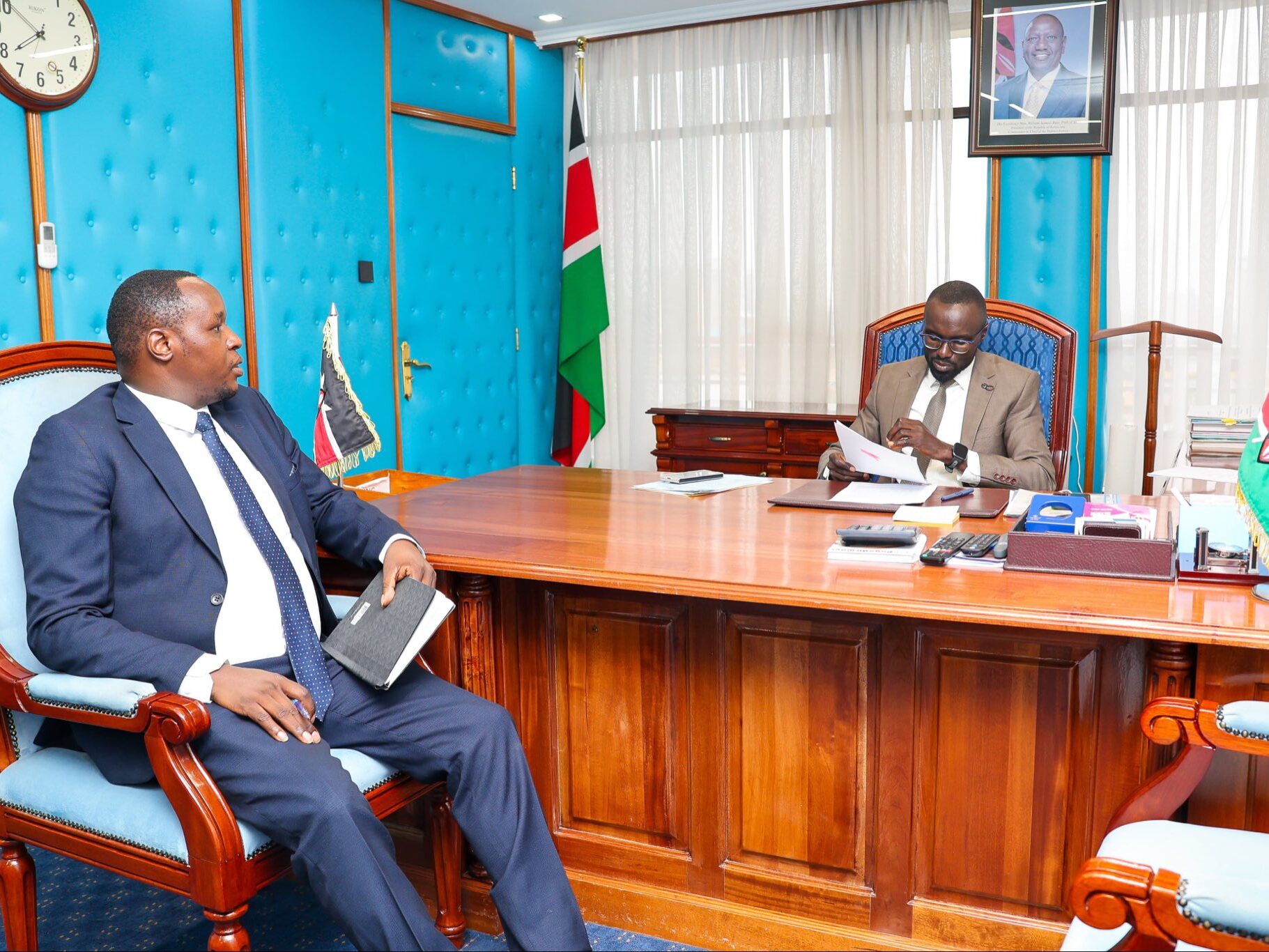
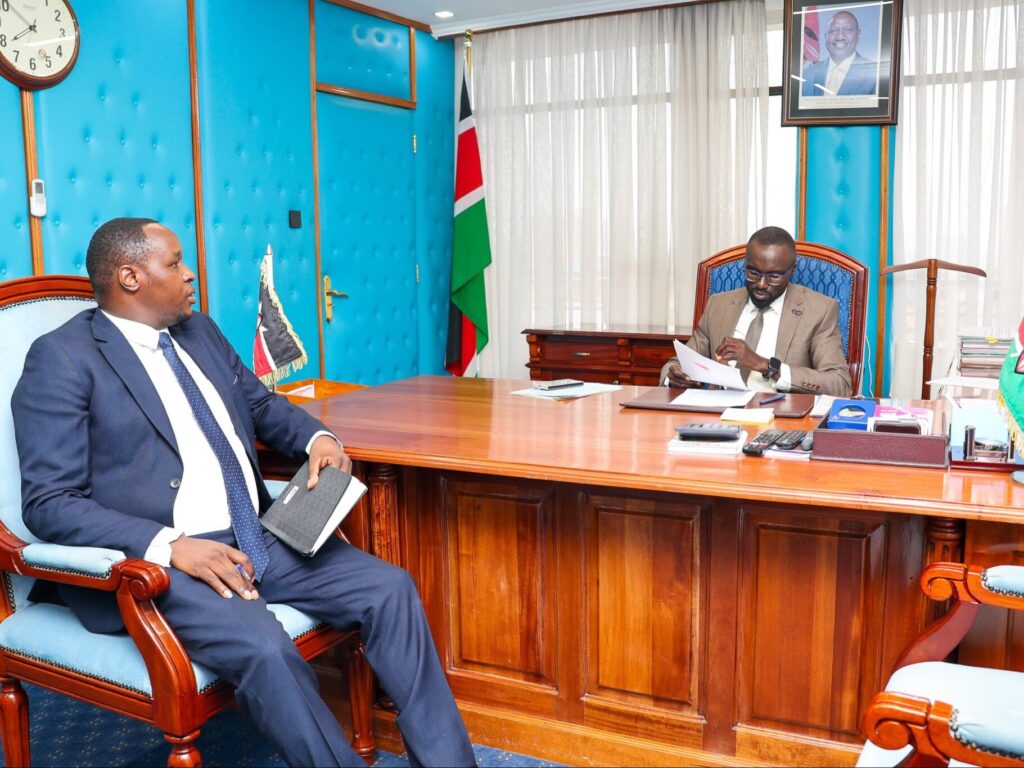
The focus emerged during a meeting between Cabinet Secretary for Water, Sanitation and Irrigation Eng. Eric Mugaa and Acting Water Resources Authority (WRA) Chief Executive Officer CPA James M. Mburu at Maji House in Nairobi on November 10, 2026.
During the meeting, Mburu briefed the Cabinet Secretary on the Authority’s progress in implementing its mandate of regulating the management, use and conservation of water resources.
The discussions focused on strengthening water-resource monitoring, improving compliance and enforcement, and enhancing collaboration with county governments and other stakeholders.
Mugaa reaffirmed the Ministry’s support for the Authority and emphasised the need to accelerate interventions that promote sustainable water security.
The engagement comes as Kenya faces growing pressure to balance competing demands for water while protecting the natural resources that sustain the country’s water supply. Population growth, agricultural expansion, industrial activities and changing rainfall patterns have increased the importance of effective water-resource management.
Under the Water Act, 2016, WRA is responsible for regulating the management and use of water resources on behalf of the national government. Its functions include issuing water-abstraction permits, monitoring compliance with permit conditions, enforcing regulations and collecting information to guide water allocation.
The Authority also advises the government on water-resource management, water storage and flood-control strategies.
One of its critical responsibilities is monitoring surface water resources to establish their availability and support decisions on how water should be allocated among different users.
WRA has upgraded 118 monitoring stations to transmit data in real time, strengthening the country’s capacity to monitor river flows and climatic conditions. The information supports water allocation, infrastructure planning and preparedness for floods and droughts.
Reliable monitoring data is particularly important for water utilities, farmers and industries that depend on rivers and other surface water sources. It also helps regulators identify changes in water availability and determine whether existing abstraction levels are sustainable.
Groundwater management is another major concern, particularly in areas where communities and businesses rely on boreholes to supplement inadequate surface-water supplies.
WRA has been undertaking groundwater assessments and promoting sustainable extraction through aquifer management plans, borehole supervision and guidelines for groundwater development.
The Authority has previously identified four aquifer systems under alarm status because of groundwater over-abstraction, while another 93 have been classified under alert status. The findings highlight the need for closer monitoring and better control of groundwater extraction.
The four aquifer systems identified under alarm status include the Nairobi Aquifer Suite, Lamu Sand Dunes, Timboni and Lake Kenyatta.
Groundwater regulation is important because excessive pumping can affect the long-term availability of underground reserves, particularly in areas experiencing high demand and limited opportunities for natural recharge.
The government is also relying on stronger regulatory enforcement to ensure that water users comply with permit conditions and approved abstraction limits.
The Water Resources Regulations, 2025, provide an updated framework for managing water-resource development, abstraction, groundwater use and catchment protection. Their implementation is expected to support improved accountability and strengthen the Authority’s regulatory responsibilities.
Beyond enforcement, WRA works with Water Resources Users Associations (WRUAs), county governments and other stakeholders to promote community participation in the protection and management of water sources.
These associations bring together different water users, including farmers and communities, to address competing demands, resolve conflicts and support catchment conservation.
Cooperation with county governments is particularly important because rivers, catchments and aquifers often extend across administrative boundaries. Effective management therefore requires coordinated interventions to address pollution, environmental degradation and unsustainable water use.
The latest discussions also underline the relationship between water-resource protection and infrastructure development. Investments in dams, irrigation schemes, treatment plants and distribution networks depend on the continued availability of water from rivers, reservoirs and underground sources.
Without effective monitoring and regulation, increased abstraction and degradation of catchments could undermine the sustainability of these investments.
The Ministry’s renewed engagement with WRA places emphasis on strengthening the institutions responsible for protecting the country’s water resources, ensuring responsible utilisation and supporting long-term access to clean and safe water.